I’ve always had a green thumb—my grandpa taught me how to coax life from stubborn seeds when I was just a kid. There’s nothing quite like the satisfaction of watching something you planted grow into something beautiful. This site is where I share the tricks, tips, and hard-earned lessons I’ve picked up over the years, whether it’s wrestling with weeds or nurturing a perfect bloom. My goal? To help gardeners of all levels turn their patches of dirt into thriving little ecosystems—one seed at a time.
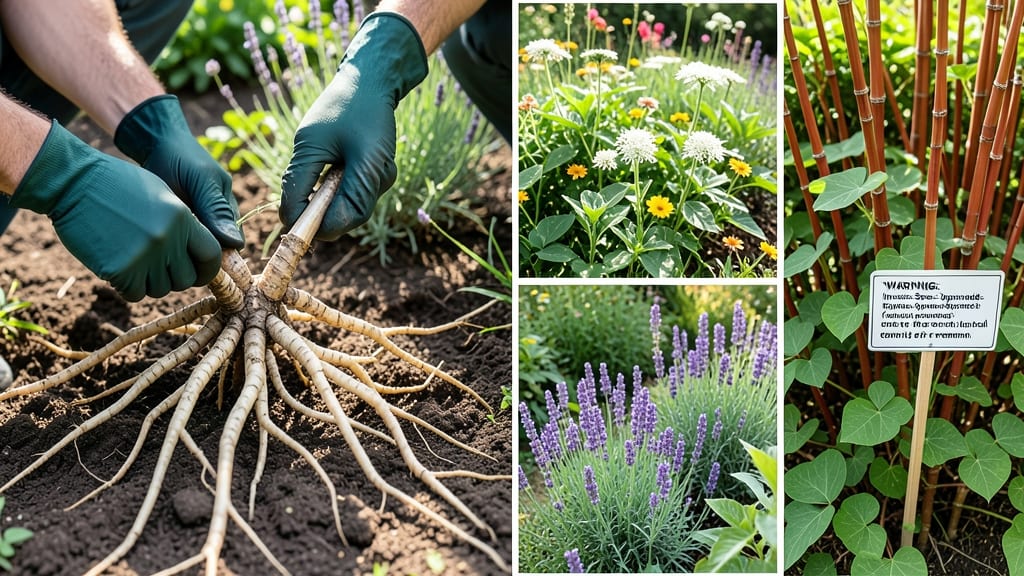
💥 Quick Answer Describing a weed as invasive means it spreads aggressively, outcompetes native plants, and disrupts ecosystems by dominating landscapes and altering natural habitats. These species often reproduce…
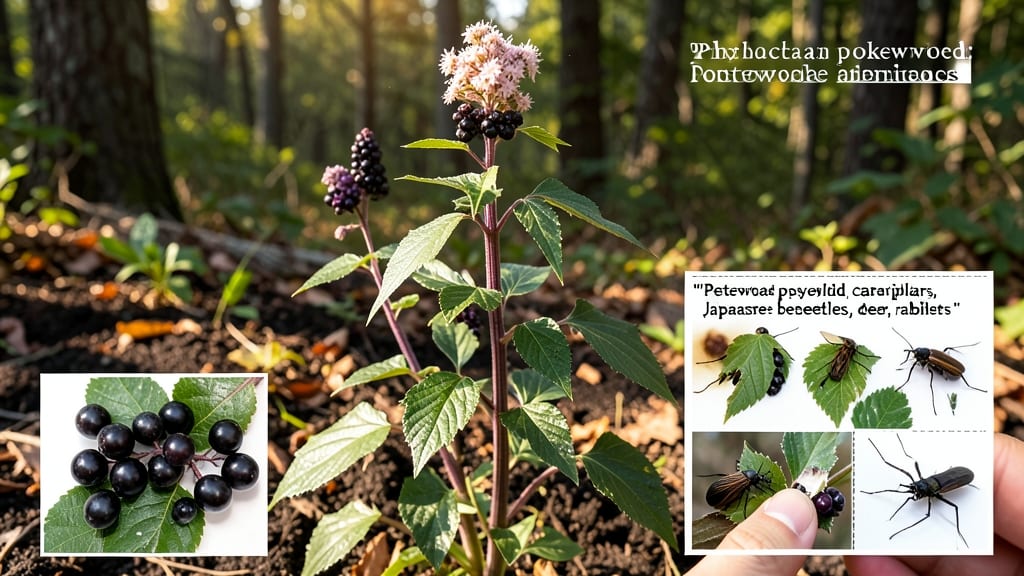
💥 Quick Answer Animals and insects that eat pokeweed include deer, rabbits, quail, and Japanese beetles, which help control its growth. Birds like cardinals and robins consume its berries, while caterpillars and other…
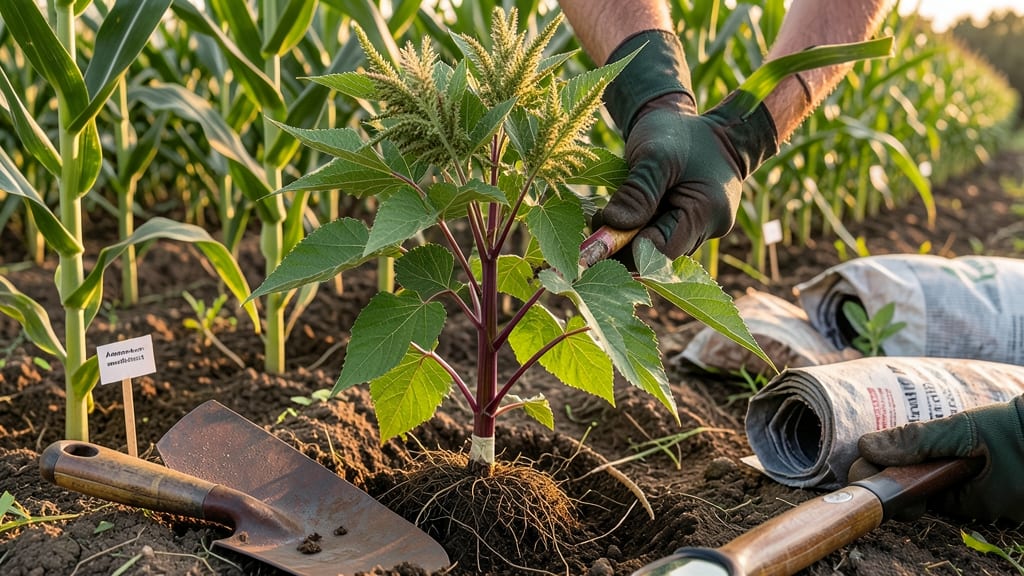
💥 Quick Answer Pigweed is a fast-growing, broadleaf weed often mistaken for edible greens like spinach or amaranth, with jagged leaves and red or green stems that can reach 3-6 feet tall. It thrives in disturbed soil…
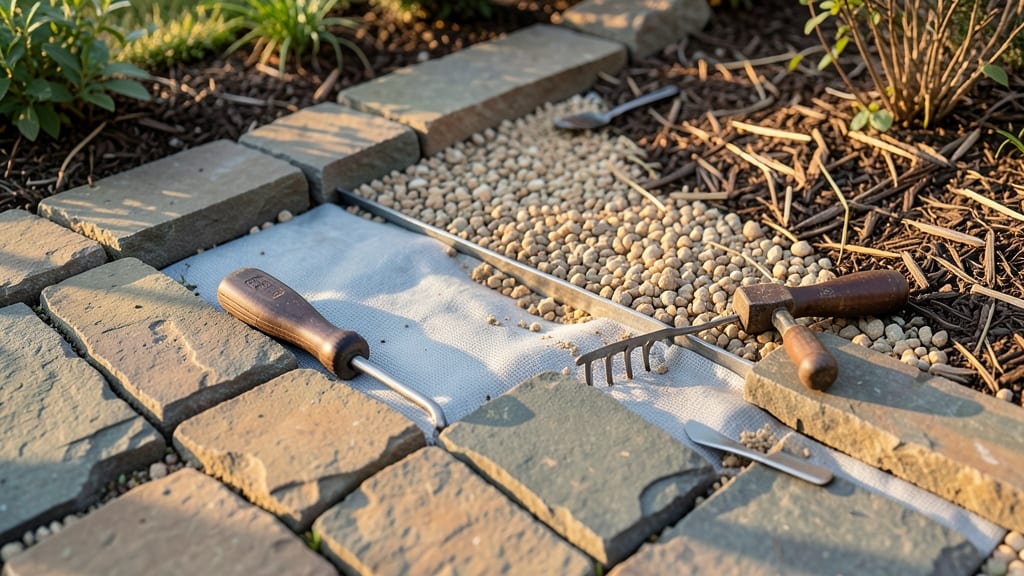
What to put between flagstone to prevent weeds ruins the clean look you worked so hard for—those stubborn sprouts popping up between the stones can be a nightmare. The right barrier keeps weeds at bay while still letting…
You plant watermelon in Missouri after the last frost, when soil temperatures hit at least 70°F 🍉 — usually between mid-April and early May, depending on your zone. Missouri’s warm summers and fertile soil make it an…
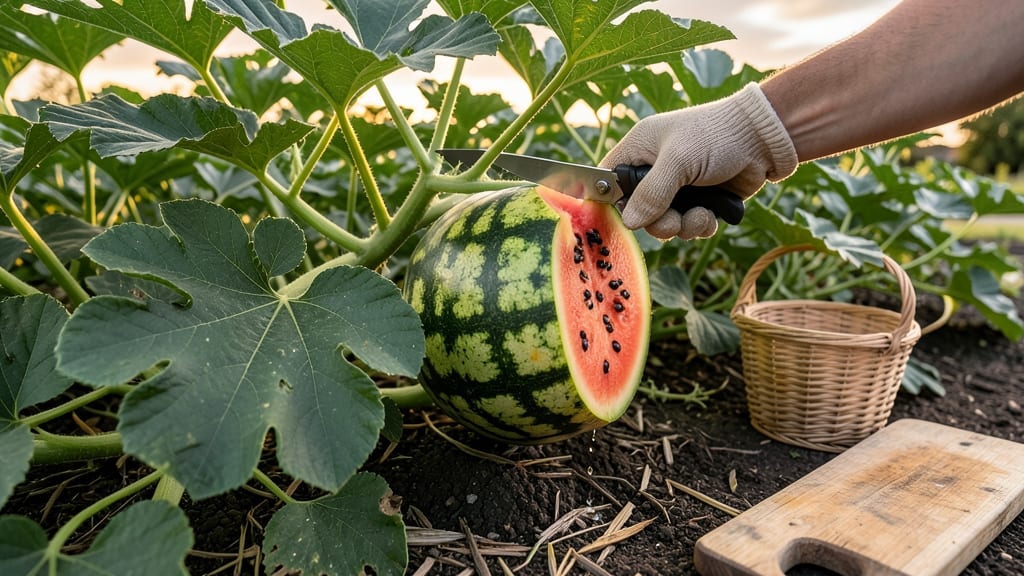
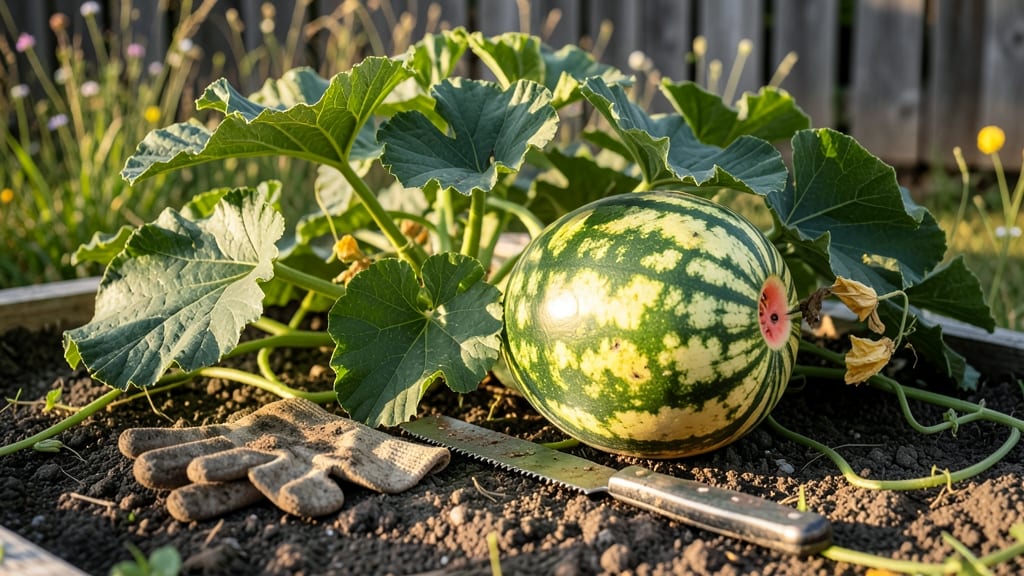
3 Field-proven visual and physical checks for watermelon ripeness Determining the perfect moment to harvest watermelons can feel like guessing—until you master these three science-backed methods . I’ve tested these…
To pick watermelon from the garden at the perfect moment means the difference between a sweet, juicy slice and a bland, watery disappointment — and the key is knowing exactly when to pull the trigger. Nothing beats the…
Planting watermelon in Arizona means timing it right to beat the heat and frost—aim for late February to early April when soil warms to 70°F and frost risk fades. Arizona’s scorching summers can turn watermelon gardening…
Planting watermelon in Kansas requires timing that balances frost risk with heat tolerance — aim for after your last spring frost when soil reaches 70°F . Kansas gardeners know timing is everything: plant too early, and…
Planting watermelon in Massachusetts means waiting until soil temperatures hit 70°F and all frost risk fades — usually late May to early June, when the 🍉 vines can finally thrive. Massachusetts gardeners know timing is…