
Picking
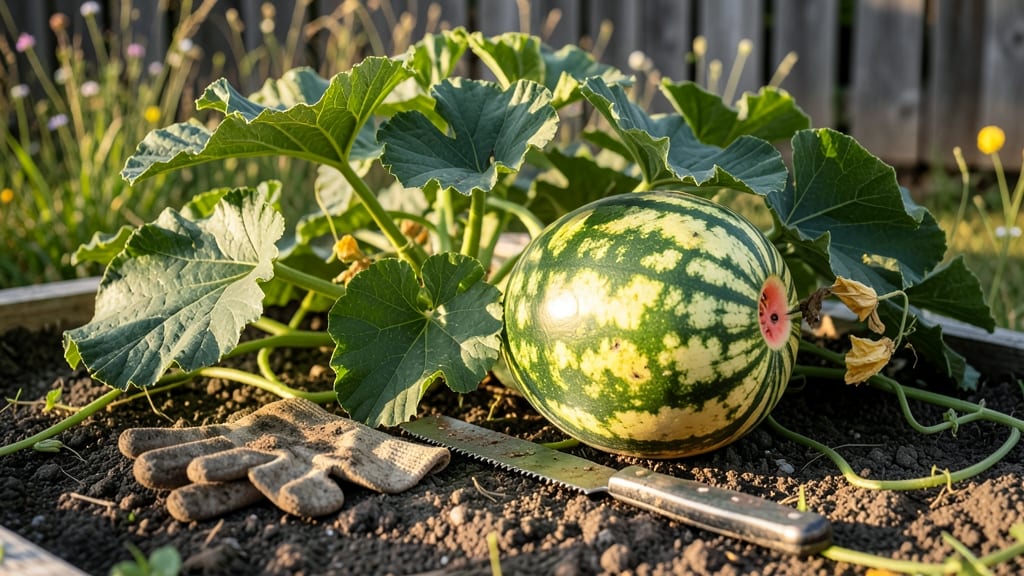
To pick watermelon from the garden at the perfect moment means the difference between a sweet, juicy slice and a bland, watery disappointment — and the key is knowing exactly when to pull the trigger.
Nothing beats the excitement of harvesting your own homegrown 🍉 — except the disappointment of cutting into one that’s still rock-hard or mealy inside. Timing your watermelon harvest perfectly ensures sweet, juicy perfection every time.
Most gardeners wait for the classic deep color and dry stem, but those cues alone aren’t enough. The real secret lies in the thump, tap, and slide tests, which reveal whether the fruit is truly ripe or still hiding its sweetness.
In this guide, I’ll walk you through the foolproof methods to check ripeness, including when to harvest based on days since planting, temperature shifts, and even the telltale rattle of mature seeds.

How to tell when watermelon is ripe using the thump, tap, and slide test
Harvesting watermelons at the perfect moment transforms your garden into a sweet, juicy treasure trove. But how do you know when that 10-15 pound melon is ready? The thump test, tap test, and slide test are my go-to methods for foolproof ripeness.
Each technique reveals a different clue about what’s happening inside that rind.
First, let’s address the elephant in the garden: color alone isn’t enough. A deep green or striped rind might look ripe, but without these tests, you risk ending up with a rock-hard or mealy disappointment.
I’ve learned the hard way—trust me, you don’t want to slice into a watermelon that’s still underripe and bitter.
Here’s the science behind these tests: as watermelons mature, their internal sugars increase while their water content shifts. The thump and tap tests detect these internal changes through sound, while the slide test measures the fruit’s separation from the vine.
Together, they give you a three-point confirmation system for perfect ripeness.
| Test Method | What to Look For | Pro Tip | Common Mistake |
|---|---|---|---|
| Thump Test | Deep, hollow sound when tapped | Tap near the stem end with knuckles | Thumping too lightly |
| Tap Test | Rattling seeds when shaken | Shake gently near your ear | Assuming silence means unripe |
| Slide Test | Fruit separates easily from vine | Grasp melon and wiggle gently | Pulling too hard and damaging vine |
The thump test is my favorite because it’s quick and doesn’t require touching the fruit. Stand near your watermelon, cup your hand around the stem end, and rap your knuckles firmly against the rind.
A ripe watermelon will produce a deep, hollow echo, almost like knocking on a wooden door. If it sounds dull or flat, it’s not ready yet.
Next up is the tap test, which reveals whether the seeds have fully matured. Hold the watermelon near your ear and give it a gentle shake. You should hear a distinct rattling from the seeds inside.
This sound confirms the fruit’s sugar content has peaked. Pro tip: if you’re unsure, tap it twice—sometimes the first shake isn’t enough to dislodge the seeds.
Finally, the slide test is the most visual cue of all. A ripe watermelon should separate easily from the vine when you gently wiggle it. Grab the fruit near the stem and lift slightly—if it slides free with minimal resistance, it’s ready to harvest.
This test also prevents you from overhandling the melon, which can cause bruising.
Here’s a pro move: combine all three tests for 100% accuracy. I’ve used this method for years, and it’s helped me avoid bitter, underripe watermelons that taste like cucumbers. The key is patience—wait until all three tests confirm ripeness before cutting that vine.
One mistake I see often is harvesting based on size alone. A watermelon might look big enough but still be hard and seedy inside. Always verify with these tests, especially if you’re growing heirloom varieties, which can take longer to ripen.
And remember: overripe watermelons get mushy and lose sweetness, so timing is everything.
For extra confidence, check the stem end—it should turn from green to yellowish as the melon ripens. This color change is your final green light. Now you’re ready to slice into that perfect, juicy watermelon and enjoy the fruits of your labor! 🍉
Watermelon varieties and their unique ripening signs
Not all watermelons ripen the same way—whether you're growing seedless varieties like 'Sugar Baby' or classic heirloom types such as 'Moon and Stars,' each has distinct ripening cues.
Understanding these differences helps you avoid overripe or underripe melons. For example, hybrid watermelons often mature faster than heirlooms but may show different color patterns.
One key difference is the tendril behavior near the fruit. In heirloom varieties, the tendril closest to the watermelon typically dries completely and turns brown before harvest. However, some seedless hybrids may retain a slight green tint even when ripe.
Always double-check with the thump test—a dull sound means maturity, while a high-pitched tone signals underripeness.
| Variety Type | Ripening Cues | Color Pattern | Stem Sign |
|---|---|---|---|
| Heirloom (e.g., 'Moon and Stars') | Tendril fully brown/dry | Deep, consistent (variegated stripes) | Dries and yellows |
| Seedless (e.g., 'Sugar Baby') | Tendril slightly green or brown | Solid dark green or striped | Softens but stays greenish |
| Hybrid (e.g., 'Crimson Sweet') | Tendril browns quickly | Uniform red or green | Dries crisp and brown |
Color changes are another critical clue. Heirloom watermelons often develop faint yellow patches on the side facing the sun, while seedless varieties may stay uniformly green until fully ripe. For hybrid types, look for a dull, matte finish—shiny skin usually means it’s not ready yet.
Pro tip: Use a flashlight to inspect the melon’s underside for creamy yellow spots, a sign of sweetness.
Field-specific best practices vary by variety. In hot climates, heirloom watermelons may ripen faster due to intense sunlight, while seedless types in cooler regions benefit from black plastic mulch to speed up maturation.
Always harvest in the morning when temperatures are cooler to preserve quality. If you're unsure, cut one open—if the seeds are dark and the flesh is vibrant, you’ve nailed it!
Remember, overripe watermelons lose sweetness and become mushy, while underripe ones stay hard and bland. Pay attention to field-specific conditions—drought stress can delay ripening, while excessive rain may cause cracking. Adjust your harvest timing based on these factors to ensure the best flavor every season.
🌱