
Lawn
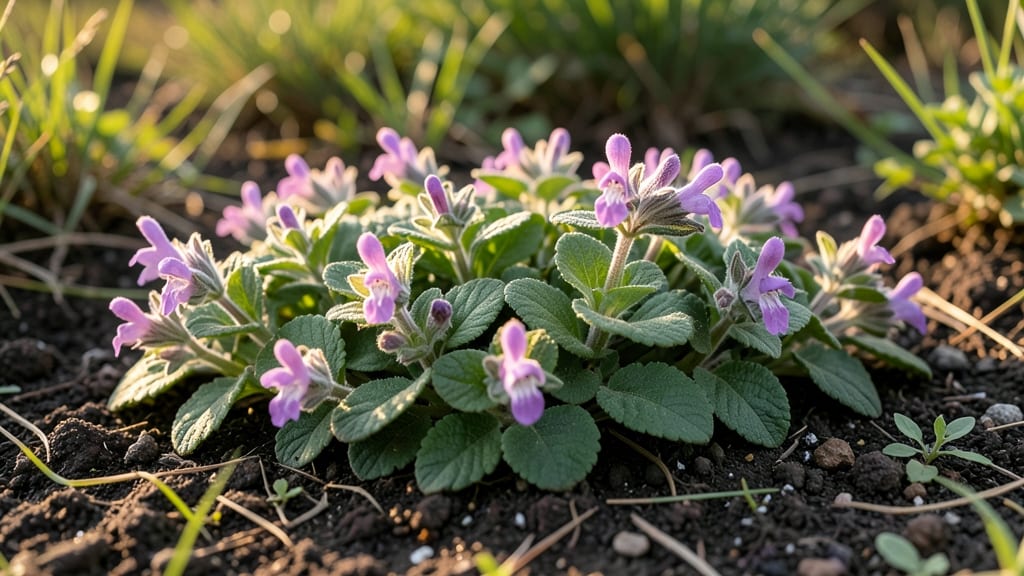
Those tiny purple flowers popping up in your small grass aren't just unsightly—they're likely henbit, a tenacious winter weed that spreads fast. 🌿 I've pulled more of these than I care to admit, and I'll save you the frustration with how to spot, remove, and prevent them before they take over.
Henbit thrives in cool weather and loves moist soil, which is why it explodes in early spring. The good news? It's shallow-rooted and dies back in summer heat, giving you a narrow window to act.
Grab gloves, a sharp hoe, or even a weeding knife—just be patient, as you'll need to dig out those roots completely. Once you've cleared the worst of it, focus on thickening your grass with proper watering and overseeding.
A healthy lawn crowds out weeds naturally, and you'll see fewer purple surprises next year. The key is timing—attack before it sets seed in late winter. For stubborn patches, spot-treat with vinegar or a corn gluten pre-emergent in fall.
Just avoid harsh chemicals if you have pets or kids running around. A little elbow grease now means fewer weeds later—and that's a victory worth celebrating.
📚 In This Guide
- What you need
- Instructions
- Tips and common mistakes
- Wrapping up and next steps
What you need
- ● Garden gloves (1 pair) – Nitrile or leather for durability and protection.
- ● Hand weeder or dandelion digger (1) – Look for a sturdy, long-handled tool for deep-rooted weeds.
- ● Garden trowel (1) – For precision removal of smaller weeds or seedlings.
- ● Pruners or shears (1 pair) – For cutting back larger weed patches or stems.
- ○ Garden fork or hoe (1) – Optional but helpful for loosening soil before pulling weeds.
- ● Bucket or trash bag (1) – For collecting weeds and debris (10+ gallon capacity recommended).
- ● Hose with nozzle – For rinsing tools and wetting soil before removal.
- ● Pre-emergent herbicide (e.g., corn gluten meal) – Apply in early spring to prevent weed seeds from sprouting.
- ● Post-emergent herbicide (e.g., vinegar-based or glyphosate-free) – Spot-treat weeds; follow label instructions carefully.
- ● Boiling water – Eco-friendly alternative for small, localized weed patches.
- ● Salt or baking soda solution – Mix 1 cup salt/baking soda with 1 gallon water; use sparingly to avoid harming grass.
- ● 🌤️ Best weather: Choose a dry, overcast day to pull weeds—soil stays moist, and weeds come out easier.
- ● 🕒 Timing: Remove weeds before they seed (typically late spring to early summer for purple-flowered varieties).
- ● 📝 Identification: Confirm the weed type (e.g., chickweed, henbit, or clover) to tailor your removal method.
- ● 🚫 Safety: Wear gloves and avoid chemical treatments if pets or kids frequent the area.
How to identify and remove small purple-flowered weeds in grass
Spotting those tiny purple blooms popping up in your lawn? Here's how to recognize them and get rid of them for good.
🌿 Step 1: Identify the Weed by Flower and Leaf Shape
Most small purple-flowered weeds in grass are either henbit or chickweed. Henbit has square stems, opposite leaves, and purple flowers that grow in clusters at the stem tips. Chickweed, on the other hand, has oval leaves with slightly scalloped edges and tiny star-shaped purple flowers that bloom in spring and fall.
Kneel down and examine the plant closely—look for the leaf arrangement and stem shape. Henbit leaves are roughly egg-shaped, while chickweed leaves are softer and more rounded. If you're unsure, snap off a small section and compare it to online images. Timing matters too: henbit blooms in late winter to early spring, while chickweed appears year-round but peaks in cool weather.
✂️ Step 2: Pull Weeds When Soil Is Moist (But Not Soggy)
Wait for a rainy day or water the area 2-3 hours before pulling. This loosens the soil and makes it easier to remove the entire root system. Grasp the weed at the base of the stem and pull upward with steady pressure—don’t tug sideways, or you’ll snap the stem and leave roots behind.
For stubborn weeds, use a weed puller tool or a dandelion digger to pry out deep roots. If you’re dealing with a large patch, wear gloves to protect your hands from sap and prickly stems. Work in small sections so you don’t miss any regrowth. The key is removing the whole plant, including the root, to prevent regrowth.
💧 Step 3: Prevent Regrowth with Proper Lawn Care
After pulling weeds, mow your lawn at 3 inches tall to crowd out future invaders. Tall grass shades the soil, making it harder for weed seeds to germinate. Water deeply 1-2 times per week (about 1 inch total) to encourage strong grass roots—healthy grass outcompetes weeds naturally.
Apply a pre-emergent herbicide in early spring (before weed seeds sprout) if you’re dealing with a persistent problem. For organic control, spread corn gluten meal in fall—it prevents weed seeds from germinating while feeding your grass. Avoid over-fertilizing with nitrogen, which can make grass grow too fast and leave gaps for weeds to slip in.
☀️ Step 4: Spot-Treat Remaining Weeds with Vinegar or Salt
For scattered weeds that slip through, use a vinegar-based herbicide (5% acetic acid or higher) on a dry, sunny day. Mix equal parts white vinegar and water in a spray bottle, add 1 tablespoon of dish soap (as a surfactant), and spray directly on the weeds—avoid spraying grass to prevent damage. The vinegar kills weeds by disrupting their cell structure, but it works best on small plants.
For stubborn patches, sprinkle coarse salt over the area and water lightly. Salt dehydrates weed roots, but use it sparingly—too much can harm nearby grass. Reapply after rain or heavy watering. This method is best for driveways or walkways where grass isn’t growing. Always test a small area first to check for grass sensitivity.
Tips & tricks for perfect purple-flowered weed removal
Real talk: I've spent more weekends than I'd like battling these purple invaders, and these tricks saved me from giving up entirely.
Timing is Everything: In Step 1, when you're identifying those purple blooms, check the timing of their appearance. Henbit thrives in late winter to early spring, while chickweed pops up year-round but really takes off in cool weather. This means if you're dealing with a spring infestation, you might be looking at henbit—especially if the flowers are clustered at stem tips. Grab a small section and compare it to online images if you're unsure. I keep a plant ID app handy for quick verification.
The 2-3 Hour Watering Hack: Step 2 mentions waiting 2-3 hours after watering to pull weeds, but here's what nobody tells you—this works best if you water in the morning. The soil stays moist longer, and the weeds are easier to grasp when the ground is damp but not soggy. I've found that watering at 8 AM gives me perfect pulling conditions by 11 AM. Pro tip: Use a spray nozzle to target just the weed areas rather than drenching the whole lawn.
Root Removal Rescue: If you accidentally snap a weed stem while pulling (we've all been there), don't panic. Grab a pair of tweezers and pluck out any remaining root fragments. I keep a small pair in my gardening toolkit specifically for this purpose. For stubborn roots, a dandelion digger works wonders—just wiggle it gently to loosen the soil around the root before pulling.
Preventative Maintenance: In Step 3, when you're mowing at 3 inches tall, here's the secret: keep your mower blade sharp. A dull blade tears grass instead of cutting cleanly, creating openings for weeds to sneak in. I sharpen mine every 10 hours of use, and it makes all the difference in keeping my lawn dense. Also, consider leaving grass clippings on the lawn—they act as a natural mulch that suppresses weed growth.
Pro Tips for Weeds Small Purple Flowers In Grass
- Real talk: I've spent more weekends than I'd like battling these purple invaders, and these tricks saved me from giving up entirely.
- Timing is Everything: In Step 1, when you're identifying those purple blooms, check the timing of their appearance.
- The 2-3 Hour Watering Hack: Step 2 mentions waiting 2-3 hours after watering to pull weeds, but here's what nobody tells you—this works best if you water in the morning.
Frequently asked questions
Got questions about those pesky small purple-flowered weeds popping up in your grass? You’re not alone! Here are some of the most common concerns—and straightforward answers to tackle them head-on.
What are these small purple-flowered weeds in my lawn?
Most likely, you’re dealing with henbit (Lamium amplexicaule) or purple deadnettle (Lamium purpureum). Both are annual broadleaf weeds with square stems, jagged leaves, and clusters of tiny purple flowers. They thrive in cool weather and can spread quickly if left unchecked.
When is the best time to remove them?
Act fast! Pull or spot-treat them in early spring or fall when they’re young and before they seed. In summer, they may go dormant, but they’ll bounce back in cooler months. For post-emergent herbicides, follow label instructions for broadleaf weed control—just avoid treating when temps exceed 85°F.
How do I get rid of them without harming my grass?
Start with manual removal: Pull weeds by hand (including the root) or use a dandelion digger on dry days. For stubborn patches, apply a selective herbicide like 2,4-D or triclopyr (follow safety guidelines!). Pre-emergent herbicides in early spring can also prevent regrowth.
Will they come back next year if I don’t treat them now?
Yes! These weeds are annuals, meaning they complete their life cycle in one season and drop thousands of seeds. If you ignore them, you’ll likely see even more next spring. Pro tip: Mow high (3–4 inches) to shade out weeds and improve grass density, making your lawn less inviting to invaders.
Are there natural or organic ways to control them?
Try these eco-friendly methods:
- Vinegar spray: Mix 1 gallon of vinegar + 1 oz. dish soap + 1 cup salt. Spray directly on weeds (avoid grass).
- Corn gluten meal: Apply in early spring as a pre-emergent to block seed germination.
- Hand-pulling: Works best on small patches—just be thorough!
For large areas, repeat treatments may be needed, but consistency pays off!
Wrapping up and next steps
Identifying and removing those pesky small purple-flowered weeds in your grass doesn’t have to feel like a losing battle! Whether you’ve spotted chickweed, henbit, or clover, armed with the right tools and techniques, you can reclaim your lawn with confidence. 🌱
Start small—pull, spray, or mulch strategically—and soon, your grass will thank you! Ready to take action? Grab your gloves and tackle those weeds before they spread further. Your lush, weed-free lawn is just a few steps away!