
Lawn
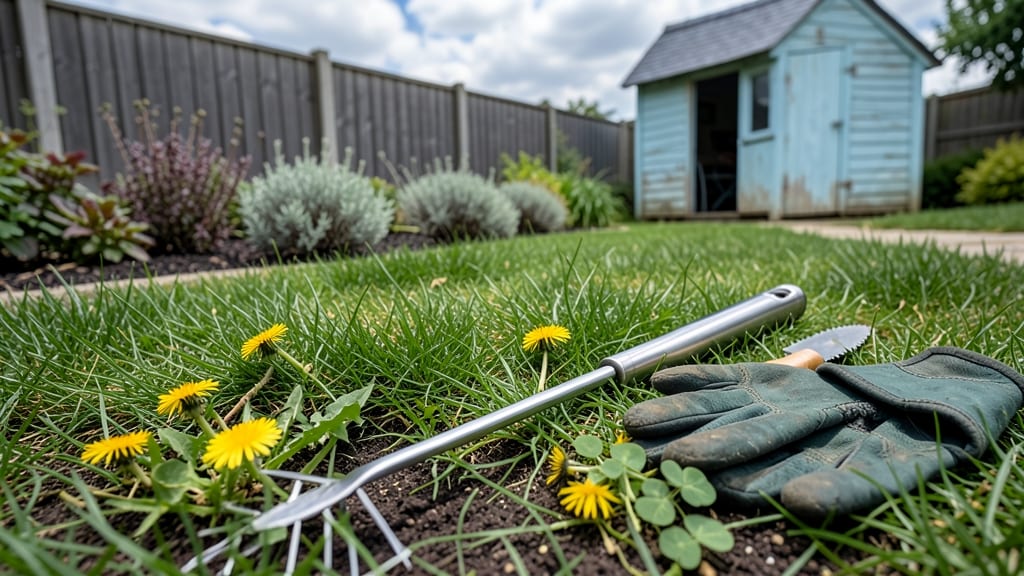
A stubborn weed in your grass isn’t just an eyesore—it’s a battle that can take hours with the wrong tools. ✨ I’ve tested every type of weeding tool for grass, from dandelion diggers to sturdy hoes, and the right one can turn a tedious chore into a quick win.
The key isn’t brute force; it’s precision and the right leverage. Hand weeding tools like the sturdy dandelion digger or a serrated hoe are game-changers for grassy areas. They slice through roots cleanly, so weeds don’t regrow.
A grubbing hoe works best for deep-rooted weeds like quackgrass, while a bolt-action weeder is perfect for tight spaces. The goal? Remove the whole root—no cheat cuts. What you’ll get is a lawn that stays weed-free with minimal effort.
The right tool makes weeding faster, more effective, and way less frustrating. Plus, you’ll save your back from bending over for hours. Less bending, more results. For best results, pair your tool with proper lawn care: water deeply but infrequently, mow high, and mulch bare spots.
It’s about working with your grass, not against it. Ready to tackle those weeds like a pro?
📚 In This Guide
- What you need
- Instructions
- Tips and common mistakes
- Wrapping up and next steps
What you need
- ● Weeding tool for grass: A serrated-edge weeding knife (e.g., Fiskars or Spear & Jackson) or a grass-specific weed puller (like the Weed Wrench)
- ○ Optional: A dandelion digger for deep-rooted weeds
- ● Gloves: Heavy-duty gardening gloves (nitrile-coated for grip and protection)
- ● Garden trowel: Small (6–8 inches) for precision digging
- ● Pruners or shears: For cutting stubborn weed stems at the base
- ● Watering can or hose: With a gentle spray nozzle for post-weeding hydration
- ● Trash bag or compost bin: For disposal or repurposing pulled weeds
- ● Vinegar solution: 1 gallon white vinegar + 1 cup dish soap (for spot treatment on stubborn weeds)
- ● Mulch or landscape fabric: To prevent regrowth in high-weed areas
- ● Knee pad or stool: For comfort during long sessions
- ● Sun hat & sunscreen: Because no one wants a sunburn mid-weed war!
How to use a weeding tool for grass like a pro
Here's my go-to method for making weeds disappear fast—no more digging by hand!
🪴 Step 1: Choose the Right Tool for Your Weeds
For grassy areas, I always reach for a hula hoe or weeding knife—both cut weeds at the base without disturbing grass roots. A hula hoe glides through thick grass like butter, while a weeding knife gives precision for stubborn patches. Avoid broadforks here; they’re better for loosening soil before planting.
Check the blade edge—it should be sharp enough to slice through weeds with minimal pressure. Dull blades tear weeds, leaving stubborn stubs that regrow. If yours feels like buttering toast, sharpen it first. You’ll see the difference immediately when the weeds fall cleanly instead of snapping halfway.
✂️ Step 2: Time Your Weeding for Maximum Effect
Weeds grow fastest when grass is dormant—early spring or late fall is prime time. In summer, weeds compete with grass for water, so they’re easier to spot and remove. Wait until the soil feels slightly damp (not soggy) for cleaner cuts. Dry soil makes weeds brittle, but they’ll often break off at the surface instead of pulling out.
Work in small sections—about 2 feet by 2 feet at a time. This keeps you focused and prevents missing weeds in larger areas. I like to scan the patch first, then attack the worst offenders. You’ll notice weeds cluster in certain spots; those are your high-priority zones. Tackle them first for the biggest impact.
💧 Step 3: Use the Right Technique for Clean Removal
For a hula hoe, angle the blade 45 degrees and drag it through the weeds in smooth strokes. The goal is to slice just below the soil surface—this severs the root while leaving grass unharmed. If you see grass blades bending, you’re too aggressive. Light pressure is key; let the tool do the work.
With a weeding knife, slide the blade between the weed and grass stem, then twist slightly to loosen the root. Pull upward firmly but gently—you’re not yanking weeds out by their roots (that’s for broadleaf weeds). For grassy weeds like crabgrass, this method removes the entire plant without disturbing surrounding turf. Watch for resistance; that’s your signal to adjust the angle.
☀️ Step 4: Prevent Regrowth with Follow-Up Care
After weeding, rake the area lightly to expose any missed weed seeds or shallow roots. A quick pass with a stiff-bristle rake removes debris and helps grass recover faster. Water deeply if the soil feels dry—this encourages grass to outcompete any remaining weeds. You’ll see new grass blades emerge within 5-7 days if conditions are right.
For stubborn patches, repeat the process in 7-10 days. Weeds often regrow from fragments left behind. I set a reminder in my phone—consistency is everything. Over time, your grass will thicken naturally, crowding out weeds before they become a problem. Think of it as a long-term investment in a lush lawn.
⏰ Step 5: Maintain Your Tool for Longevity
Clean your weeding tool immediately after use—soil and plant sap dry quickly and corrode metal. A stiff brush and soapy water remove debris, while a rag wipes away residue. Store it in a dry place; moisture rusts blades faster than anything. I keep mine in a tool shed with a drop of mineral oil on the blade to prevent corrosion.
Sharpen your tool every 5-10 uses, depending on how tough your weeds are. A whetstone or file works for most blades. A sharp tool means less effort and cleaner cuts—no more wasted energy fighting dull edges. You’ll know it’s time when you feel yourself pushing harder than usual. A quick sharpening restores that effortless glide.
Tips & tricks for perfect weeding with grass tools
Mastering your weeding tool transforms lawn care from a chore into an efficient victory—here's how to make every sweep count!
Tool Selection Secret: For dense grass areas, a hula hoe is your best friend—its wide blade cuts through weeds while preserving grass roots. For tight spots near sidewalks or driveways, the weeding knife gives precision without damaging surrounding plants. I keep both in my shed: the hoe for large patches, the knife for surgical strikes on stubborn weeds growing between grass blades.
Timing is Everything: Early morning or late afternoon is ideal because weeds are turgid (full of water) and easier to cut cleanly. Avoid midday when soil dries out quickly—this makes weeds brittle and more likely to snap at the surface rather than pull out completely. I've learned this the hard way after spending 20 minutes weeding only to see weeds regrow from broken stems!
Technique That Changed Everything: When using a hula hoe, maintain that 45-degree angle and let the blade do the work—don't force it. For the weeding knife, the secret is in the twist: after sliding the blade between weed and grass, give it a slight quarter-turn to loosen the root before pulling upward. This prevents those frustrating half-pulled weeds that grow back stronger than ever.
Prevent Regrowth Strategy: After weeding, do a quick visual scan for any missed weed fragments, especially in the 5-7 days following treatment. I've found that even tiny pieces can sprout new weeds—think of it like removing splinters from your lawn! A stiff-bristle rake helps expose any hidden seeds or shallow roots that might have survived the initial pass.
Pro Tips for Weeding Tool For Grass
- Mastering your weeding tool transforms lawn care from a chore into an efficient victory—here's how to make every sweep count!
- Tool Selection Secret: For dense grass areas, a hula hoe is your best friend—its wide blade cuts through weeds while preserving grass roots.
- Timing is Everything: Early morning or late afternoon is ideal because weeds are turgid (full of water) and easier to cut cleanly.
Frequently asked questions
Got questions about the best weeding tool for grass?
You’re not alone! Here are some of the most common concerns—plus quick, practical answers to help you tackle weeds like a pro.
What’s the best time of day to use a weeding tool for grass?
The ideal time is early morning or late afternoon when the ground is slightly damp (but not soggy). This makes weeds easier to pull without breaking the tool or leaving stubborn roots behind. Avoid midday heat—it can dry out the soil too fast, making weeding less effective. Pro tip: If you’re in a hurry, water the area lightly 1–2 hours before weeding for best results!
Can I use a weeding tool for grass on all types of lawns (e.g., Bermuda, St. Augustine, fescue)?
Most manual weeding tools—like dandelion diggers, hori-hori knives, or ergonomic weed pullers—work on all grass types. However, delicate grasses (like fine fescue) might need a shallow-rooted tool to avoid damaging the turf. For thick grass like Bermuda, a sturdy, long-handled tool is ideal. Always check your tool’s blade depth to match your grass’s root system!
Are there affordable alternatives to expensive weeding tools?
Skip the high-end gadgets and try these budget-friendly swaps:
- Spoon or butter knife: Works for small weeds (just sanitize it first!).
- Fork or trowel: Great for deep-rooted weeds like clover or thistle.
- DIY weed wrench: Bend a coat hanger into a hook shape for stubborn grassy weeds.
- Plastic bottle weed puller: Cut the bottom off a 2-liter bottle, add a handle, and use it like a mini dandelion digger!
Why does my weeding tool keep breaking or bending when I use it?
This usually happens from three common mistakes:
- Using the wrong tool for the job (e.g., a serrated knife for deep roots).
- Twisting or leveraging too hard—always pull straight up.
- Hitting rocks or hard soil (which dulls blades).
Fix it by:
- Choosing a tool with reinforced metal or a shock-absorbing grip.
- Sharpening blades regularly (a file or whetstone works).
- Avoiding wet, compacted soil—wait for dry-ish conditions.
How often should I use a weeding tool to keep my lawn weed-free?
Consistency is key! For most lawns, aim to:
- Spot-treat weeds every 1–2 weeks during peak growing season (spring/fall).
- Deep-weed (for perennials like dandelions) 2–3 times per year.
- Preventative maintenance: Weed when plants are small (before they seed!).
Combine this with mulching and proper watering (deep but infrequent) to starve weeds naturally. Pro tip: Set a monthly reminder—weeds grow fast!
Wrapping up and next steps
Choosing the right weeding tool for grass can transform your lawn care routine from a chore to a breeze! 🌱 Whether you opt for a manual dandelion digger, a sturdy weeding knife, or a versatile cultivator, the key is selecting one that matches your lawn’s needs and your comfort level.
With the right tool in hand, you’ll tackle stubborn weeds faster than ever—no more backbreaking work or wasted time.
Ready to reclaim your lawn? Start small: test a tool on a patch of weeds first, then expand your efforts. Happy weeding—your grass will thank you! 🌿