
How To
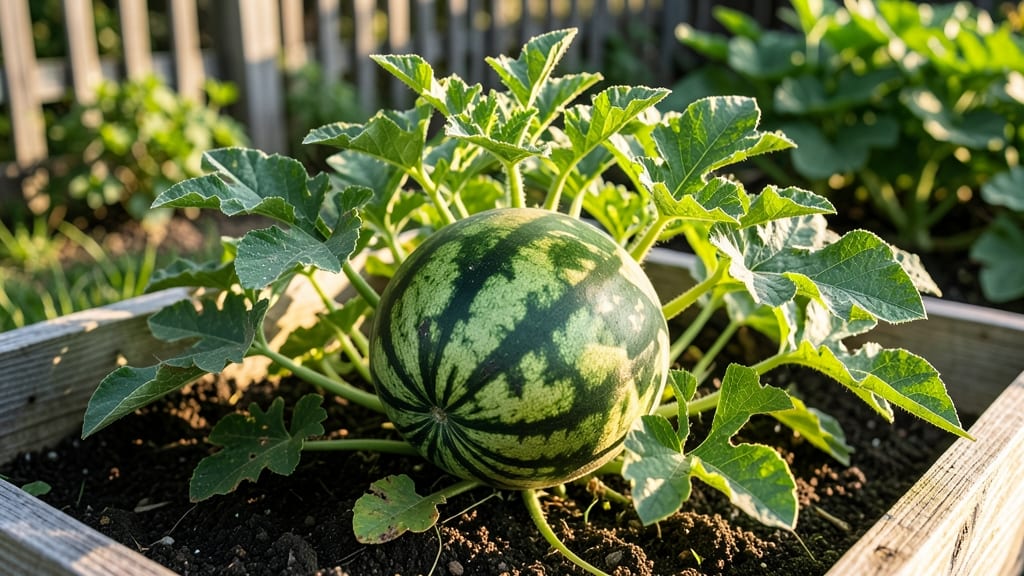
To determine a ripe watermelon, listen for a hollow thump when you tap it—this classic trick reveals sweetness hidden beneath the rind.
Picking the perfect watermelon at the farmers' market or grocery store can feel like a guessing game—until you know these simple, foolproof tricks that reveal ripeness in seconds.
Beyond the thump, check the field spot (the cream-colored patch where the melon rested on the ground) for a yellowish hue, and give the stem a gentle tug—it should pull away easily if ripe.
In this guide, I’ll walk you through three field-tested methods—including the tap test, visual cues, and texture checks—to ensure you never bring home a bland or overripe 🍉 again.

The science behind ripe watermelon sounds: thump, tap, and knock tests
There's more to picking a ripe watermelon than meets the eye—or ear. The hollow-sounding thump you hear when tapping a melon isn't just folklore; it's rooted in fruit physics. As watermelons mature, their internal seed cavity fills with air, creating a natural amplifier for sound.
This change in density is your first clue that the melon has reached peak ripeness.
The thump test works because ripe watermelons develop a larger air pocket inside. When you tap the melon's blossom end (the side with the stem), the sound travels through this air space, producing a deep, hollow echo. This is your golden ticket to a sweet, juicy watermelon—if done right.
Don't confuse a hollow sound with a dull thud, though. The latter often means the melon is overripe or even starting to spoil. The key is listening for a sound that lingers slightly—like a church bell—rather than a quick, flat noise.
Pro tip: Test multiple spots on the melon, as some varieties have uneven ripening patterns.
For smaller watermelons (under 10 pounds), use the tap test instead. Simply tap the side gently with your fingertip—ripe melons produce a clear, ringing note, while unripe ones sound more like a drum hit. This method works especially well for slicing varieties like Sugar Baby, where firmness is critical.
The knock test is my go-to for large heirloom varieties. Strike the flat side firmly with your knuckles and listen for a deep, resonant hollow that carries for at least 2 seconds.
If the sound cuts off abruptly, the melon is likely underripe. This test is particularly useful for seedless watermelons, which often have denser flesh that can trick other methods.
Temperature plays a surprising role in sound tests. Cold melons (just pulled from a fridge or cool cellar) will sound hollow even if unripe. Let your watermelon sit at room temperature for 30 minutes before testing to get an accurate reading.
This simple step can save you from buying a rock-hard or mushy melon.
Why does firmness matter alongside sound? A ripe watermelon should feel heavy for its size and have a slightly rough rind. If it feels too soft or too hard, the sound test might be misleading. Always combine auditory cues with visual and tactile checks for the most reliable results.
Remember, the stem end is your best friend. If the stem is dry and yellow-brown, the melon is ready to eat—regardless of what the sound test says.
This natural drying process is nature's way of telling you the sugar content has peaked. Pair this with your thump, tap, or knock test for a foolproof combination.
Next time you're at the market, bring a small notepad to jot down which melons passed your sound test. Track your success rate—you'll start recognizing the perfect ripe sound in no time. With practice, you'll go from guessing to watermelon whisperer status in just a
Visual and texture clues to spot a perfectly ripe watermelon
While thumping a watermelon can reveal its internal maturity, visual and tactile clues often give away ripeness even faster. These simple checks correlate directly with sweetness and juiciness, so I always start with them before tapping.
The field spot, stem color, and rind texture are your first clues—each telling a story about the melon's development.
First, check the field spot, the creamy yellow patch where the melon rested on the ground. A ripe watermelon will have a deep, creamy yellow field spot that resists pressure when touched.
If it's pale or still greenish, the melon likely needs more time on the vine. This spot darkens as sugars develop, so brightness equals sweetness.
| Clue | Ripe Indicator | What It Means |
|---|---|---|
| Field Spot | Deep creamy yellow | Sugars fully developed |
| Stem Color | Dry, yellow/brown | Nutrients fully transferred |
| Rind Texture | Tough, firm | Juicy flesh inside |
| Symmetry | Even shape | Uniform maturity |
| Weight-to-Size | Feels heavy | Water content high |
Next, examine the stem where the watermelon connects to the vine. A ripe melon will have a dry, yellow-brown stem that detaches easily with a slight twist. If the stem is still green or moist, the melon isn’t ready—it needs more time to develop its sugars.
This is one of my top 3 ripeness indicators because it shows the plant has fully nourished the fruit.
The rind texture is another dead giveaway. Run your thumb over the surface—it should feel tough and slightly waxy, resisting gentle pressure. If the rind gives way or feels soft, the melon is underripe.
Overripe melons, on the other hand, may develop a slightly spongy texture near the field spot. Pro tip: Press near the field spot—ripe rinds hold firm but don’t dent.
Symmetry matters too. A perfectly ripe watermelon will have an even, rounded shape with no flat spots or deep grooves. Uneven shapes often mean uneven ripening, which can lead to patchy sweetness or seedy pockets.
I avoid melons with odd bumps or cracks, as these can signal stress or pest damage during growth. Always pick the most symmetrical one in the bunch!
Finally, lift the melon—it should feel heavy for its size. A ripe watermelon is packed with water and sugars, making it denser than its underripe counterparts. If it feels light, it’s likely still filling out or lacking moisture.
This weight-to-size ratio is a classic trick that works even when other clues are ambiguous. Combine it with the stem and field spot checks, and you’ll never overpay for a bland melon again!