
How To
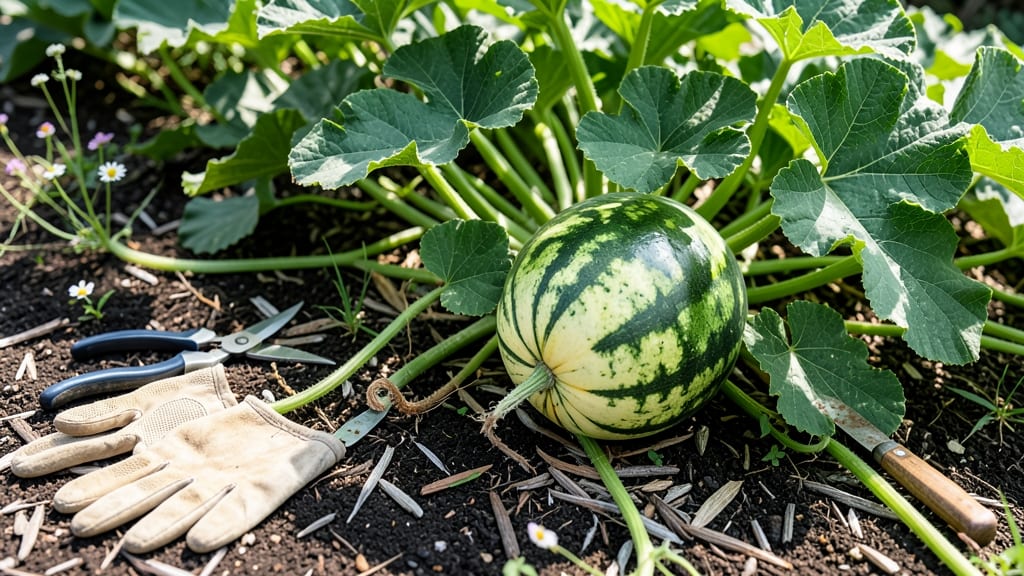
3 Visual signs your watermelon is ready to eat
There's nothing worse than slicing into a watermelon only to find it's still hard and flavorless—or worse, overripe and mushy. The good news? With just a few simple visual checks, you can identify ripe watermelons every time.
These three foolproof signs will help you harvest at peak sweetness, whether you're picking from your garden or selecting at the market.
As a gardener who's spent years perfecting my watermelon harvest, I've learned that rind color, texture, and the classic thump test are the most reliable indicators.
But there are also common mistakes that can lead to disappointment. Let me show you exactly what to look for—and what to avoid.
3 Key Visual Signs of a Ripe Watermelon
-
1. Creamy Yellow Spot on the Underside
Look at the bottom of the watermelon. A ripe fruit will have a cream-colored or buttery yellow spot where it rested on the ground. This indicates the fruit has fully matured and absorbed sunlight. Avoid melons with white or greenish undersides—they're not ready yet. -
2. Rind That Resists Your Thumbnail
Press your thumbnail into the rind. If it doesn't puncture easily, the watermelon is ripe. For dark green varieties, the rind should feel firm but slightly dull. Light green or striped varieties should have a slightly waxy texture. A soft spot means it's overripe. -
3. Hollow Sound When Thumped
The classic thump test works best on hard, dry surfaces. Tap the side of the watermelon with your knuckles. A ripe melon will sound deep and hollow. If it sounds dull or flat, it's underripe. Pro tip: Avoid testing on soft ground—it muffles the sound.
I once picked a watermelon based solely on its size, only to discover it was underripe and nearly seedless inside. That's when I learned to trust these visual cues over assumptions.
The underside color is especially telling—it's a direct indicator of how long the melon has been maturing on the vine.
For dark green varieties like Sugar Baby, the rind texture should be firm but not hard. If you can dent it easily, it's past its prime. Meanwhile, light green or striped varieties like Crimson Sweet often have a slightly rougher texture when ripe.
The key is consistency—if the entire rind feels uniform, it's a good sign.
Don't make the mistake of judging ripeness by size alone. I've seen tiny watermelons that were sweeter than massive ones because they ripened slower. The thump test is your best friend here, but remember: it only works on hard surfaces.
Testing on grass or dirt will give you a false reading.
Another pro trick? Check the stem near the watermelon. If it's dry and brown, the fruit is ready. A green stem means it's still growing. This is especially useful for gardeners who can't always rely on the underside color if the melon was shaded while growing.
When shopping at the market, combine all three signs. A watermelon with a creamy spot, a firm rind, and a hollow thump is your ticket to perfectly ripe fruit.
And if you're growing your own, harvest in the morning when the sugar content is highest. Trust me, your taste buds will thank you.
Now that you know these visual signs, you'll never second-guess your watermelon pick again. Next time, we'll dive into advanced ripeness tests like checking the tendril and using a glucose meter for the ultimate sweetness guarantee. Happy harvesting! 🍉
How to test watermelon ripeness beyond the rind
When the classic rind color and thump test leave you guessing, it’s time to dig deeper. Professional growers and serious gardeners use advanced techniques to predict sugar content and internal ripeness before cutting into a watermelon.
These methods go beyond surface-level checks, ensuring you pick melons at peak flavor and texture.
One of the most reliable tricks is inspecting the stem attachment point. A ripe watermelon’s stem will have dried out and turned brown or corky, signaling the fruit has fully matured.
This is especially useful in home gardens where you can monitor individual vines. If the stem feels spongy or green, the melon needs more time.
For those with access to a glucose meter, testing the fruit’s sugar content is the gold standard. Cut a small slice near the center and measure the brix level (sugar concentration).
A ripe watermelon typically registers between 8-12 brix, though heirloom varieties can exceed 14 brix. This method is precise but requires equipment most gardeners don’t have on hand.
| Method | How to Test | Accuracy | Best For |
|---|---|---|---|
| Stem Inspection | Check for dried, brown stem near fruit | 85% | Home gardeners |
| Field Spot Check | Press thumbnail—skin should not puncture | 75% | Market shoppers |
| Glucose Meter | Measure brix level (8-12 for ripe) | 95% | Pro growers |
| Underside Color | Look for cream-yellow (not white/green) | 70% | All shoppers |
Another pro trick is the field spot check, where you press your thumbnail into the field spot (the area where the melon rested on the ground). If the skin resists puncture, the fruit is likely ripe.
Combine this with a weight check—a ripe watermelon feels heavy for its size due to high water content and sugar development.
For market shoppers, listen for a hollow sound when tapping the melon with your knuckles. A deep, resonant thump indicates maturity, while a dull thud suggests underripeness. Pair this with the underside color test: a ripe watermelon’s bottom will turn from white to cream-colored.
Remember, overripe watermelons can develop a fermented smell near the stem, so balance these tests with your senses. When all signs align—dry stem, hollow thump, and cream-colored underside—you’ve got a winner ready to slice.