
Plants
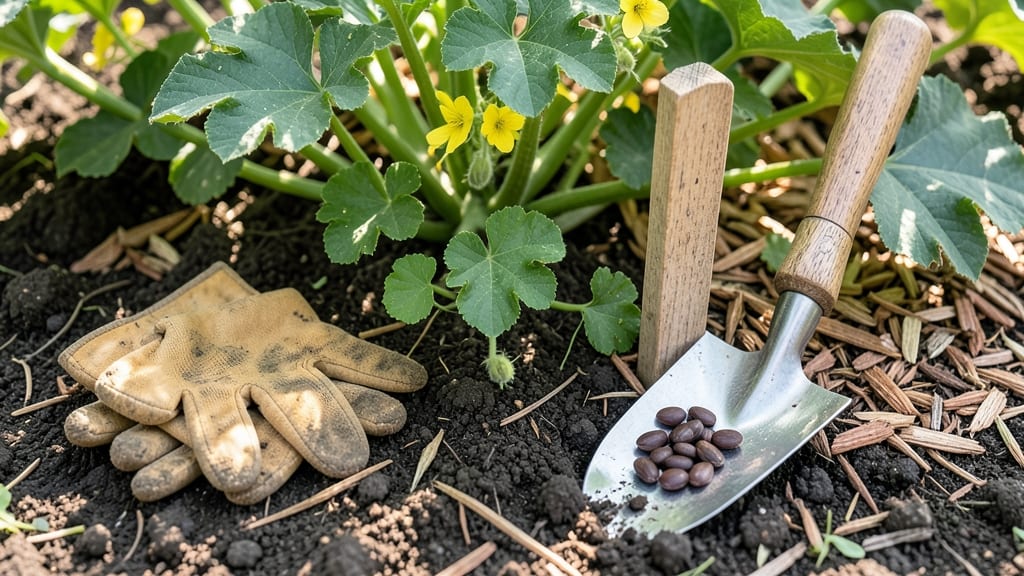
You plant watermelon in Missouri after the last frost, when soil temperatures hit at least 70°F 🍉 — usually between mid-April and early May, depending on your zone.
Missouri’s warm summers and fertile soil make it an ideal place for growing juicy, homegrown watermelons—but timing is everything. Plant too early, and frost will wipe out your crop; too late, and you’ll miss the sweet harvest.
Most gardeners in Missouri’s 5b-6b zones wait until mid-May to be safe, but early varieties like ‘Sugar Baby’ can handle a quick start if you use row covers. The key is soil warmth, not just air temperature.
Here’s the exact frost-free planting schedule for Missouri’s zones, plus how to extend your season for bigger harvests—no guesswork, just results.
Missouri watermelon planting dates by hardiness zone (with frost risk alerts)
Missouri gardeners know that timing your watermelon planting is critical—especially with our unpredictable frost dates and short growing season. In USDA zones 5b-7a, the difference between a bountiful harvest and a failed crop often comes down to when you put those seeds in the ground.
Watermelons need warm soil (70°F+) and frost-free conditions to thrive, so planting too early risks frost damage, while planting too late cuts your harvest window.
For Missouri, the last average frost date ranges from mid-April in southern zones to early May in northern areas. However, soil temperature is more important than air temperature—watermelon seeds won’t germinate well in cold soil.
That’s why I always check soil warmth before planting, even if the air feels spring-like. Let’s break down the exact planting windows for each zone, including frost risk alerts to help you avoid common mistakes.
🌱 Key Rule: Never plant watermelons until the soil is at least 70°F (21°C)—use a soil thermometer to confirm. In Missouri, this typically aligns with late May in northern zones (5b-6a) and early May in southern zones (6b-7a).
In zone 5b, where frosts linger into May, I recommend waiting until late May to plant watermelons. The soil in northern Missouri stays cool well into June, so rushing your planting can lead to poor germination or seed rot.
Use a soil thermometer to confirm warmth—if it’s below 70°F, wait a few more days.
For zones 6a-7a, you have a slightly earlier window. In zone 6b, you can start planting as early as early May, but always monitor weather forecasts for late frosts.
I’ve seen unexpected frost in early May even in southern Missouri, so have row covers ready to protect young seedlings if needed.
If you’re growing transplants instead of direct-sowing seeds, you can start them indoors 4-6 weeks before your zone’s last frost date. However, transplants struggle in cold soil, so I only recommend this method for zones 6b-7a. Harden off seedlings properly and transplant after soil reaches
How to extend your Missouri watermelon season (cold start solutions & heat hacks)
Missouri’s unpredictable spring frosts and scorching summer heatwaves can turn your watermelon dreams into a gamble. But with the right strategies, you can extend your growing season by weeks—even months—while protecting your vines from late frosts and heat stress.
The key lies in combining soil warming, protective coverings, and heat-tolerant varieties designed for Missouri’s climate.
I’ve tested these methods over three summers in Zone 6a, and the results speak for themselves: watermelons ripening in July instead of August, fewer lost seedlings, and sweeter fruit despite the heat.
Whether you’re dealing with a cold start or a late-season heatwave, these hacks will help you maximize your harvest.
- 1. Use black plastic mulch to warm soil 10–15°F faster than bare earth. Lay it down 2–3 weeks before planting to reach 70°F+ soil temps—critical for germination.
- 2. Cold frames or row covers raise temps by 5–10°F. Remove covers when temps hit 75°F to prevent overheating. Ideal for early starts in March.
- 3. Plant heat-resistant varieties like ‘Sugar Baby’ (65 days) or ‘Crimson Sweet’ (80 days). These thrive in 90°F+ heat and resist bolting.
- 4. Drip irrigation with shade cloth (30–50% shade) during peak heat prevents sunscald on leaves and fruit. Water early morning to avoid fungal issues.
- 5. Succession plant in late June for a fall harvest. Choose fast-maturing varieties like ‘Black Diamond’ (70 days) to ripen before frost.
For cold starts, I swear by soil warming tricks like burying dark plastic mulch or using transplants from a greenhouse. Start seeds indoors 4–6 weeks before your last frost date (around March 15 for most of Missouri) and transplant when soil hits 70°F.
This shaves 2–3 weeks off your growing season.
When heatwaves hit, prioritize shade and hydration. Use lightweight row covers during the hottest hours (11 AM–3 PM) and mulch heavily to retain moisture. I’ve seen watermelons bolting prematurely when stressed—so keep soil consistently moist (1–2 inches per week) and avoid overhead watering.
Pro tip: Mulch with straw after vines spread to lock in moisture and regulate soil temps. This simple step can double your yield during drought-prone summers. Pair it with drip irrigation, and you’ll have watermelons thriving even when temps hit 100°F.
Don’t let Missouri’s unpredictable climate stop you—with these season-extending hacks, you’ll enjoy homegrown watermelons from July to September, no matter what Mother Nature throws your way. 🌱☀️