
Plants
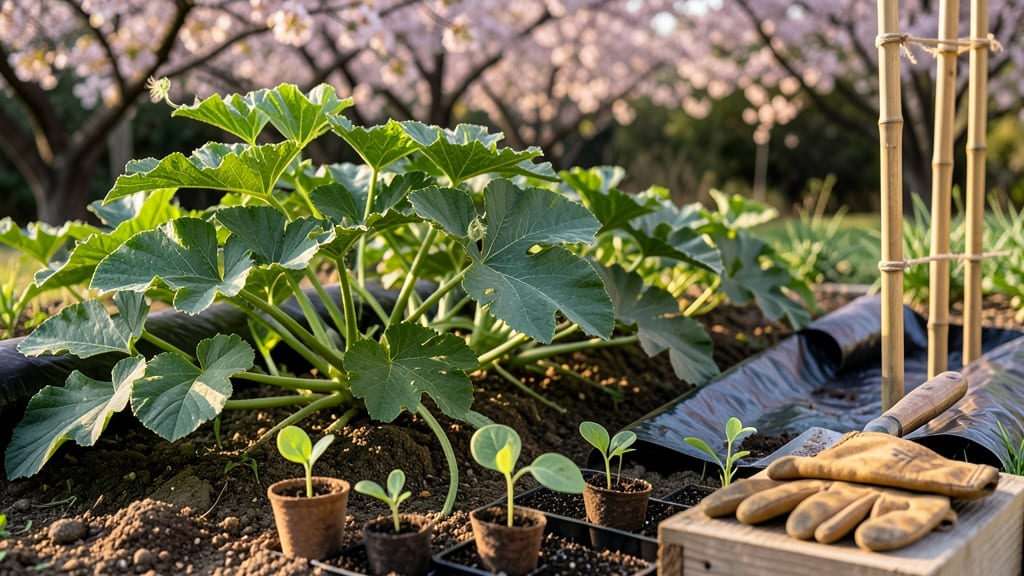
Planting watermelon in Massachusetts means waiting until soil temperatures hit 70°F and all frost risk fades — usually late May to early June, when the 🍉 vines can finally thrive.
Massachusetts gardeners know timing is everything—plant watermelon too early, and frost will ruin your crop; too late, and summer’s short season slips away. Here’s your precise guide to planting watermelons in MA’s unpredictable climate, from frost dates to soil secrets.
With only 165 frost-free days, choosing the right varieties (like 'Sugar Baby' or 'Crimson Sweet') and prepping soil with black plastic mulch can mean the difference between a bountiful harvest and a sad, wilted vine.
Below, I’ll walk you through the exact steps to extend your growing season, from transplanting seedlings to protecting them from late-season chills—so you can enjoy homegrown watermelon from July through September.
Massachusetts frost-free dates & optimal watermelon planting windows by region
Massachusetts’ frost-free dates vary dramatically by region—Boston’s coastal breezes delay warming, while Western MA’s inland valleys warm faster. For watermelons, this means your planting window could be a 3-week difference between Cape Cod and the Berkshires.
Watermelons need 70°F+ soil temperatures to germinate, which typically aligns with late May to early June across most of MA. But if you’re in Zone 6a, even a late frost in June can threaten tender seedlings.
Here’s your region-by-region breakdown of last frost dates, ideal planting windows, and the best short-season varieties to grow in Massachusetts:
If you’re planting transplants (not direct sowing), start seeds indoors 4–6 weeks before your region’s last frost date. Use grow lights or a sunny windowsill to avoid leggy seedlings.
For direct sowing, wait until soil temperatures hit 70°F+—test with a soil thermometer! In cooler years, this could push planting to early June, leaving only 100–120 growing days before frost.
Choose fast-maturing varieties like 'Sugar Baby' (70 days) or 'Crimson Sweet' (80 days) to maximize yields. Avoid long-season types like 'Charleston Gray'—they’ll never ripen in MA’s climate.
Once planted, mulch heavily with straw or black plastic to retain heat and moisture. Watermelons in MA need all the help they can get to survive late summer chills and produce sweet fruit.
🌱
Soil preparation & pre-planting steps to maximize watermelon yields in MA
Watermelons thrive in warm soil and well-draining conditions, but Massachusetts’ cool springs often demand extra prep. Start by testing your soil pH—aim for 6.0–6.8—since acidic or alkaline soil stunts growth.
If your garden falls outside this range, amend it with lime (for acidity) or sulfur (for alkalinity) 2–3 months before planting.
Compost is your secret weapon for nutrient-rich soil. Work in 3–4 inches of well-aged compost or aged manure into the top 12 inches of soil. This boosts organic matter, improves drainage, and retains moisture—critical for watermelons’ deep root systems.
For heavy clay soil, mix in sand or perlite to prevent compaction.
- 🌱 Step 1: Test soil pH (use a home test kit or send to UMass Soil Lab). Adjust with lime/sulfur if needed.
- 🌱 Step 2: Till in 3–4 inches of compost to 12-inch depth for root growth.
- 🌱 Step 3: Lay black plastic mulch 2–3 weeks before planting to warm soil to 70°F+.
- 🌱 Step 4: Plant companion crops like radishes or lettuce between rows to extend the season.
- 🌱 Step 5: Use row covers early in the season to protect from late frosts (remove after flowering).
Black plastic mulch is a game-changer for MA gardeners. Spread it 2–3 weeks before planting to raise soil temperatures by 10–15°F, speeding germination. Secure edges with soil or bricks to prevent wind damage, and cut X-shaped slits for seeds or transplants.
This also suppresses weeds and retains moisture—critical during MA’s unpredictable summer rains.
For extra insurance, plant fast-maturing varieties like 'Sugar Baby' (65 days) or 'Crimson Sweet' (80 days) alongside cool-season companions. Radishes or lettuce grow quickly under row covers, then give way to watermelon vines as temperatures rise.
This succession planting maximizes your garden’s real estate and extends harvests into early fall.
Finally, harden off transplants if starting indoors. Acclimate seedlings to outdoor conditions over 7–10 days by gradually increasing sunlight exposure. Plant seeds or transplants in mounds (not rows) to improve drainage and reduce disease risk. Space plants 3–4 feet apart to allow vines to sprawl without competing for nutrients.
With these steps, your MA watermelon patch will hit the ground running—literally. Warm soil, rich compost, and strategic mulching set the stage for bigger, sweeter melons despite our short growing season. 🌱