
Pests and Diseases
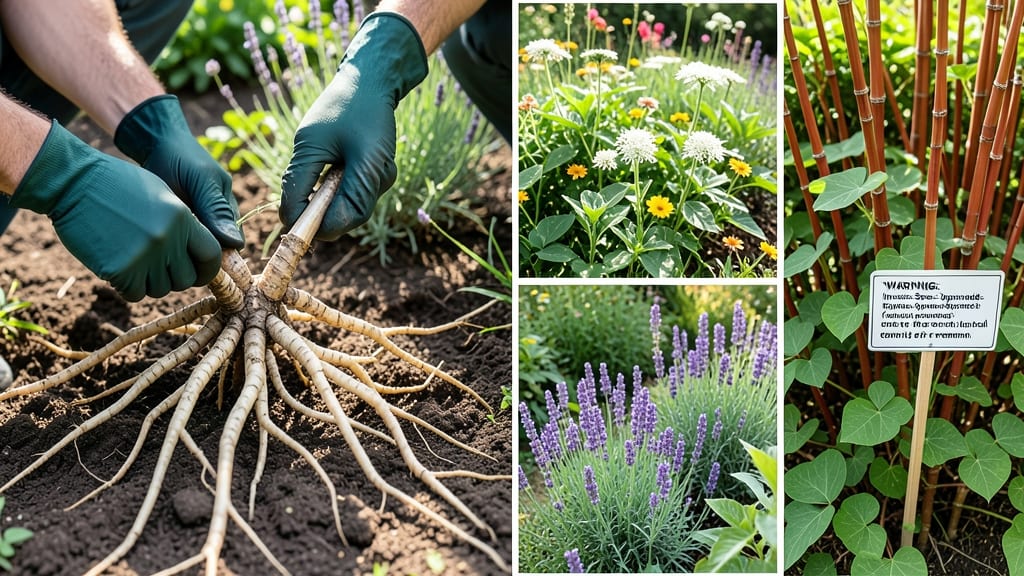
Describing a weed as invasive means it spreads aggressively, outcompetes native plants, and disrupts ecosystems by dominating landscapes and altering natural habitats. These species often reproduce rapidly and lack natural predators in new environments.
When a weed is labeled invasive, it means it doesn't just grow where you don't want it—it actively takes over, choking out local plants and changing the entire landscape. 🌱 These plants often have supercharged growth habits, like sending out underground roots or producing thousands of seeds, which lets them outcompete everything else.
The real kicker? They usually arrive in areas where no natural predators exist to keep them in check, so their populations explode unchecked.
Think of them like uninvited guests who bring their own furniture and refuse to leave—except this furniture is thick vines that smother gardens or dense patches that turn meadows into monocultures.
For example, kudzu can grow a foot per day, while Japanese knotweed can crack concrete with its aggressive root systems. The damage isn't just cosmetic; it throws off entire food chains and makes it harder for native species to survive.
💡 In This Article
- How Invasive Weeds Disrupt Ecosystems and Landscapes
- Identifying Common Invasive Weeds in Gardens and Wild Areas
How invasive weeds disrupt ecosystems and landscapes
Invasive weeds don't just grow—they dominate. Their ecological impact stems from three key mechanisms: rapid resource consumption, physical displacement, and chemical interference. These plants often grow at rates that dwarf native species.
For example, mile-a-minute vine can spread 6 inches per day in ideal conditions, while kudzu can blanket entire trees in just one growing season. This aggressive growth allows them to outcompete native plants for sunlight, water, and nutrients before those species even get established.
The damage goes deeper than just crowding. Many invasive weeds alter soil chemistry by releasing toxins called allelochemicals that suppress other plants. Japanese knotweed, for instance, produces compounds that inhibit seed germination and root growth in nearby species.
This creates a monoculture—a landscape where only the invasive species thrives, eliminating biodiversity. 🌱 The ecological consequences are severe: fewer native plants mean fewer food sources for insects, birds, and mammals, which can collapse entire food webs.
Another critical factor is their reproduction strategies. Invasive weeds often employ multiple methods simultaneously. Kudzu spreads through both seeds and extensive rhizome systems that can grow 60 feet long underground. Meanwhile, species like garlic mustard produce thousands of seeds that remain viable in the soil for years.
Without natural predators in new environments, these plants face no checks on their expansion, allowing them to form dense, impenetrable stands that block sunlight from reaching the forest floor.
Human activity accelerates this spread. Many invasive weeds hitchhike on equipment, clothing, or even pets, moving between regions with alarming efficiency. Once established, they create what ecologists call "positive feedback loops"—the more they spread, the harder it becomes for native species to recover.
For instance, cheatgrass in western U.S. rangelands creates fire-prone conditions that prevent native grasses from regenerating, leading to permanent ecosystem shifts.
Consider the economic impact too. Invasive weeds cost agricultural sectors billions annually by contaminating crops, clogging irrigation systems, and reducing land value. The U.S. spends over $120 billion yearly combating invasive species, yet many remain nearly impossible to eradicate once established.
This persistence makes prevention—through early detection and proper land management—far more effective than trying to reverse damage after the fact.
The most insidious aspect? These plants often arrive with no natural enemies. In their native habitats, insects, diseases, or grazing animals might keep them in balance. But when transported to new regions, they face no such controls.
This ecological vacuum allows them to reach densities that would be impossible in their original environments, creating what scientists call "ecological traps" for native species trying to coexist.