
Advice
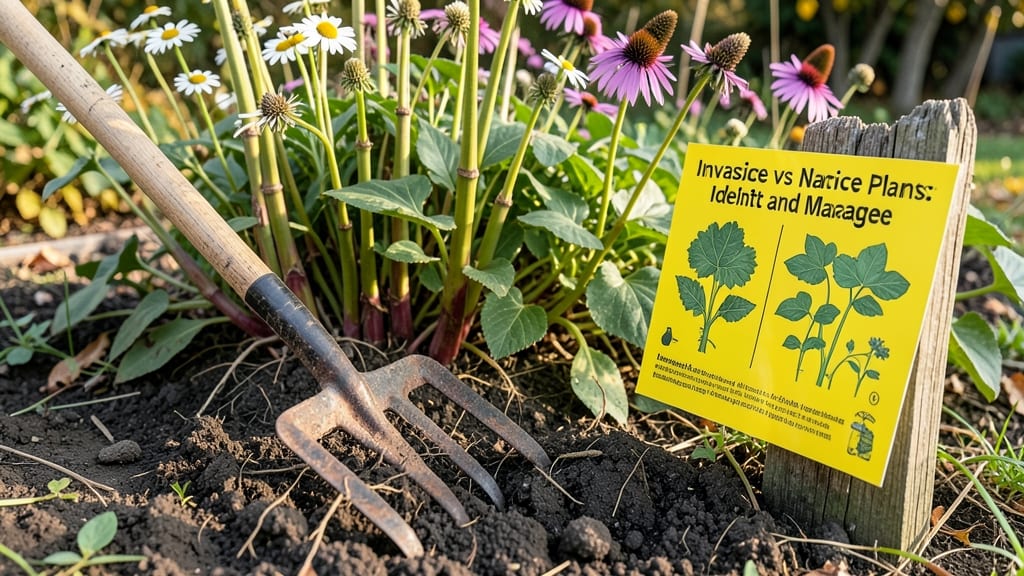
Knotweed invasive species spreads rapidly through underground rhizomes and seed dispersal, choking out native plants and damaging soil structure. Identify its bamboo-like stems and heart-shaped leaves early to prevent garden takeover.
This aggressive plant doesn't just spread—it takes over. 🌱 The underground rhizomes can grow up to 12 inches per year, creating dense networks that strangle other plants' roots. Even small fragments left in soil can regrow into full plants, making complete removal tricky.
I've seen it transform peaceful garden beds into impenetrable thickets within a single growing season, especially in moist, disturbed soil where native plants struggle to compete.
What makes knotweed particularly dangerous is its ability to adapt. It thrives in both sunny and partially shaded areas, tolerates poor soil, and even survives light frosts. Once established, it can outcompete desirable plants for water and nutrients, leading to reduced biodiversity in your garden ecosystem.
The key to control starts with proper identification—those distinctive heart-shaped leaves and hollow stems are your first warning signs.
💡 In This Article
- How Knotweed Invades Gardens Through Rhizomes and Seeds
- Early Detection and Prevention Tips for Gardeners
How knotweed invades gardens through rhizomes and seeds
The real power of knotweed lies in its underground network of rhizomes—horizontal stems that can extend 12 to 20 feet in a single growing season. These rhizomes store energy and grow new shoots, creating dense colonies.
Even a 1-inch fragment left in soil can regenerate into a full plant, making mechanical removal risky without proper technique. The rhizomes grow at a rate of about 1 inch per week under ideal conditions, which explains why a single plant can dominate a garden bed within months. 🌱
Knotweed's seed dispersal adds another layer of invasion. While seeds aren't its primary spread method, they can travel through water, wind, and even garden tools. Each plant produces hundreds of seeds that remain viable for up to 5 years in the soil.
This means disturbed areas—like newly tilled garden beds—become high-risk zones. The plant's ability to thrive in both moist and dry conditions makes it adaptable to various climates, from coastal regions to inland gardens with well-drained soil.
What most gardeners don't realize is how knotweed alters soil structure. Its dense root system disrupts natural soil layers, reducing water infiltration and increasing erosion risk. In my own garden, I've noticed areas infested with knotweed develop hardpan layers—compacted soil that repels water and stunts other plants.
The plant's competitive advantage comes from its rapid growth cycle: it can grow 1 foot per month during peak season, outpacing most native plants by a significant margin.
The biological mechanism behind its dominance involves a process called "allelopathy," where knotweed releases chemicals that inhibit the growth of nearby plants. This further reduces competition, allowing it to monopolize resources. The combination of rhizome expansion, seed viability, and chemical suppression creates a near-impenetrable ecosystem once established. 💫
Climate plays a crucial role in knotweed's spread. Warmer temperatures accelerate its growth, while consistent moisture—like that found in irrigation systems or near water sources—fuels its expansion. In regions with mild winters, knotweed can grow year-round, making control even more challenging.
The plant's ability to thrive in disturbed soils (like construction sites or garden renovations) explains why it often appears suddenly in seemingly healthy garden beds.
Here's what happens when you disturb knotweed without proper precautions: the rhizome fragments can sprout into new plants within 7 to 14 days. This is why gardeners often see "volunteer" plants popping up long after initial removal attempts.
The plant's resilience means that even well-intentioned gardening practices—like composting plant debris—can accidentally spread it if knotweed fragments are included. 🌿