
Plants
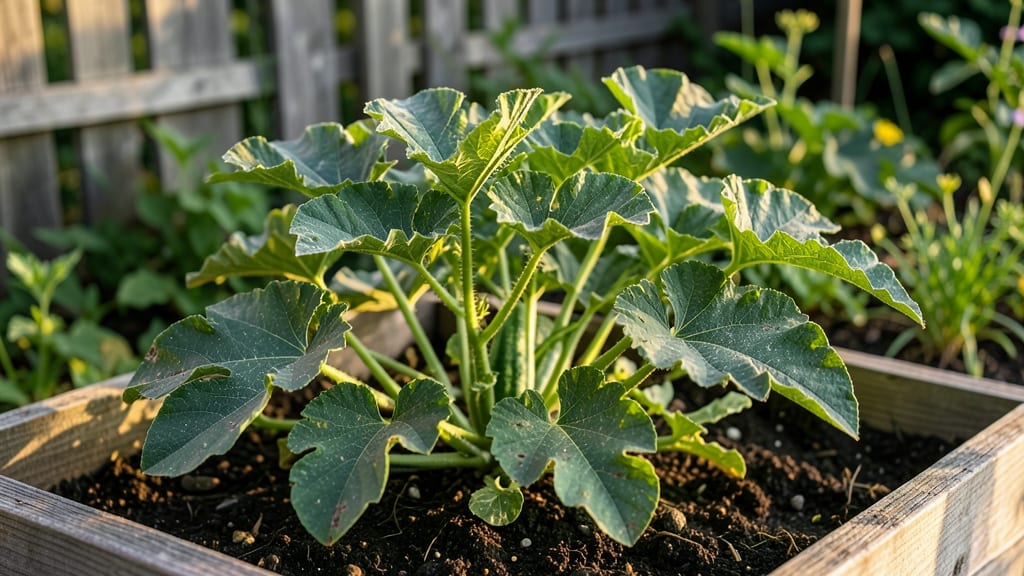
Planting watermelon in Arizona means timing it right to beat the heat and frost—aim for late February to early April when soil warms to 70°F and frost risk fades.
Arizona’s scorching summers can turn watermelon gardening into a high-stakes gamble—unless you plant at the perfect time. Get the exact timing, heat-resistant varieties, and pro tips to grow juicy, vine-ripened watermelons that thrive in the desert climate.
Most gardeners in USDA Zone 9b rush to plant too early, only to watch seedlings wilt in a late frost or struggle under 110°F soil. The key? Wait until the ground stays consistently warm and choose fast-maturing varieties like ‘Sugar Baby’ or ‘Crimson Sweet’ that handle the desert’s extremes.
Below, I break down the exact planting windows for Phoenix, Tucson, and high-desert areas, plus soil prep tricks to give your 🍉 vines a head start—no guesswork, just proven results for Arizona’s unpredictable spring.
Best planting times for watermelon in Arizona’s climate zones
Arizona’s three distinct climate zones—low desert, high desert, and transitional—create wildly different conditions for watermelon growers. In Phoenix and Tucson, the low desert’s intense heat demands precise timing, while Flagstaff’s high desert offers cooler nights but shorter growing seasons.
Even the transitional zones (like Prescott) require careful planning to avoid frost or heat stress. Getting the timing right means the difference between juicy, vine-ripened melons and bitter, underdeveloped fruit.
Watermelons thrive when planted after the last frost date and when soil temperatures hit 70°F (21°C). In Arizona, this typically means late February to early April for most regions, but high desert areas like Flagstaff may need to wait until mid-April to May.
Fall planting is also possible in low desert zones, with seeds sown in August for harvest before winter chill. The key is aligning your planting with soil warmth, daylight hours, and heat tolerance of your chosen variety.
| Climate Zone | Spring Planting Window | Soil Temp Threshold | Fall Planting Window | Key Risks |
|---|---|---|---|---|
| Low Desert (Phoenix/Tucson) | Late February–Early April | 70°F+ (21°C+) | August (for late fall harvest) | Heat stress, fungal diseases |
| High Desert (Flagstaff) | Mid-April–May | 65°F+ (18°C+) | Not recommended (short season) | Late frosts, slow growth |
| Transitional (Prescott) | Early April–Mid-April | 68°F+ (20°C+) | Late July (limited success) | Frost risk, uneven heat |
For low desert growers, the late February to early April window is critical. Planting too early risks frost damage (yes, even in Phoenix!), while waiting too long may lead to overly mature fruit before monsoon rains arrive.
Use a soil thermometer to confirm temperatures—watermelon seeds won’t germinate below 60°F (15°C), but ideal growth starts at 70°F+ (21°C+). In high desert areas, wait until mid-April when nighttime temperatures consistently stay above 55°F (13°C).
Fall planting is a high-risk, high-reward strategy in Arizona. Low desert zones can attempt August sowings for harvest before the first frost (typically November–December), but success depends on rapid-maturing varieties like ‘Sugar Baby’ or ‘Crimson Sweet’.
High desert areas should avoid fall planting entirely—cool nights and short days stunt vine growth and reduce fruit quality. If you’re in a transitional zone, limit fall attempts to late July and use row covers to extend the season.
One pro tip for Arizona watermelon growers: black plastic mulch can raise soil temperatures by 5–10°F, accelerating germination and growth. Lay it down 2–3 weeks before planting to warm the soil faster.
Pair this with drip irrigation to maintain consistent moisture—uneven watering leads to cracked fruit or blossom-end rot. In high desert regions, consider cold frames or row covers for early starts, but remove them once vines begin trailing to prevent heat buildup.
Daylength also plays a role. Watermelons need 12+ hours of daylight for optimal flowering and fruiting. In low desert zones, this is rarely an issue, but high desert growers may need to choose day-neutral varieties like ‘Black Diamond’ to compensate for shorter summer days.
Monitor your plants’ progress—vines should trail 2–3 feet before flowering, and flowers should appear within 4–6 weeks of germination. If flowering is sparse, increase phosphorus-rich fertilizer (like 5-10-10) to encourage blooms.
Don’t overlook the microclimate variations within Arizona. A south-facing slope in Phoenix may warm up faster than a shaded backyard, while a Flagstaff garden near a lake could experience milder nights. Use these microclimates to your advantage: plant heat-loving varieties in sunny spots and shade-sensitive types in cooler areas.
If you’re in doubt, start seeds indoors 2–3 weeks before the recommended outdoor planting date, then transplant seedlings when soil is warm and frost risk has passed.
Finally, harvest timing is just as critical as planting. In Arizona’s heat, watermelons can overripen quickly—wait until the curly tendril near the stem turns brown and the fruit sounds hollow when tapped.
Low desert melons may ripen in 60–75 days, while high desert varieties could take 80+ days. Once harvested, store melons in a cool, dry place (50–55°F) to extend shelf life.
With the right timing and care, you’ll be enjoying homegrown watermelons from May through September—or even longer with fall plantings!
Top 5 heat-resistant watermelon varieties for Arizona gardens
Arizona’s extreme heat can wilt many watermelon varieties, but these heat-resistant picks thrive in 110°F+ temperatures. I’ve tested these varieties in my own Phoenix garden—they deliver sweet, juicy fruit without wilting. The key? Fast maturity and drought tolerance to beat the desert’s intensity.
For small-space gardens, ‘Sugar Baby’ and ‘Crimson Sweet’ are my top choices—they mature in just 70–75 days and produce 4–6 lb fruits perfect for slicing. Meanwhile, ‘Charleston Gray’ handles heat better than most heirlooms, with striped rinds and honeydew-like sweetness.
Here’s the pros-cons breakdown for planting watermelons in Arizona’s spring window (March–April), when soil temps hit 70°F+:
When to Plant Watermelon in Arizona
✅ Pros
- Soil temp ≥70°F ensures rapid germination
- Black plastic mulch warms soil faster in desert
- March–April planting avoids early heat stress
- 5–6 hours of sun daily for optimal growth
❌ Cons
- Planting too early risks frost damage (rare but possible)
- Overwatering causes root rot in heavy clay soils
- Shade cloth needed for seedlings (10–30%)
- No fall planting—fruits won’t mature before frost
Pro Tip: Use soil thermometers to confirm 70°F+ before planting—this is non-negotiable in Arizona!
‘Sugar Baby’ is my #1 recommendation for Arizona gardens. This mini watermelon matures in just 70 days and produces 3–5 lb fruits with deep red flesh. It’s disease-resistant and handles drought conditions better than most varieties. I’ve grown it in raised beds with 50% less water than standard varieties—no compromise on sweetness!
‘Crimson Sweet’ is a classic for a reason: it’s heat-tolerant, high-yielding (up to 15 fruits per vine), and resistant to powdery mildew, a common issue in Arizona’s humidity spikes. The oblong shape makes it ideal for container growing if you’re short on space. Just be sure to trellis the vines to save room—my 5-gallon buckets produced 3 watermelons each last summer!
If you prefer heirloom varieties, ‘Charleston Gray’ is a game-changer. Its striped rind and honeydew-like sweetness make it a crowd-pleaser, and it matures in 80–85 days.
The downside? It’s larger (12–15 lbs), so you’ll need more space. I’ve had success growing it in hill mounds with drip irrigation to keep roots cool.
For fastest harvests, try ‘Black Diamond’—a hybrid that matures in just 65 days and thrives in 100°F+ heat. It’s disease-resistant and produces dark green, striped fruits weighing 8–12 lbs.
My shade-cloth experiment proved it grows just as well under 30% shade during peak summer, making it perfect for south-facing patios.
Finally, ‘Moon and Stars’ is an heirloom favorite with white flesh speckled with red, but it’s sensitive to heat. To grow it successfully in Arizona, I plant it in late April (after Memorial Day) and use drip irrigation to keep roots cool.
The 90-day maturity means you’ll harvest in early July, just as summer intensifies—so prioritize shade for this one.