
Plants
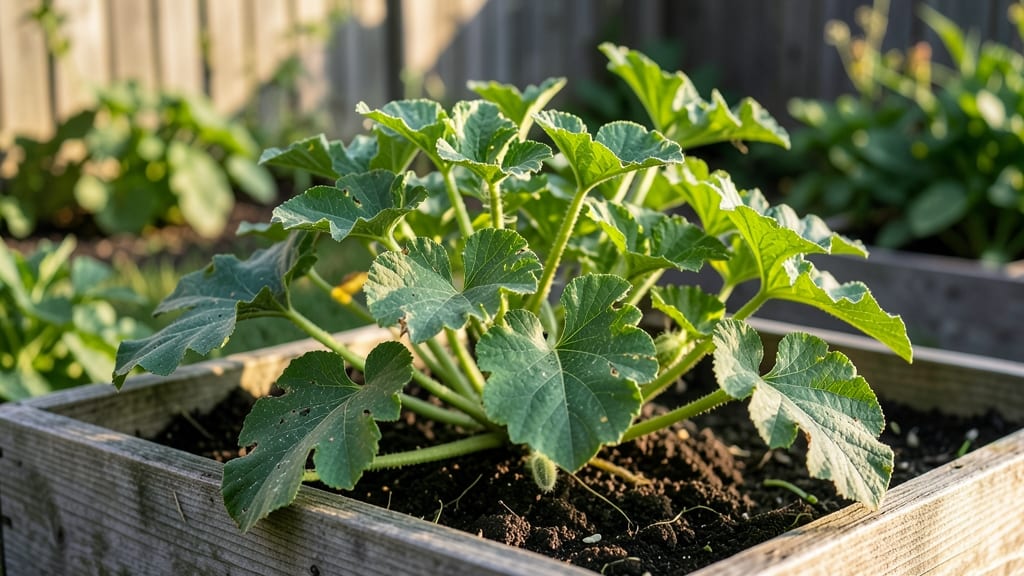
Planting watermelon in Kansas requires timing that balances frost risk with heat tolerance — aim for after your last spring frost when soil reaches 70°F.
Kansas gardeners know timing is everything: plant too early, and frost will wipe out your crop; too late, and the scorching summer heat arrives just as your vines struggle to establish. Mastering the perfect window means the difference between a bountiful harvest and a disappointing patch of dead vines.
Most of Kansas falls in USDA zones 5-7, where last frosts typically occur between mid-April and early May.
But soil temperature matters more than calendar dates — watermelons won’t thrive until the ground warms to 70°F or higher, which often means waiting until late May or early June in northern regions.
In this guide, I’ll break down exact planting windows by zone, share heat-zone hacks to extend your season, and reveal the fastest-maturing varieties that actually work in Kansas’ short growing season. No more guessing — just proven strategies for melons that actually ripen before the heat wins.
Kansas watermelon planting timeline: frost dates by region
Kansas spans USDA hardiness zones 5-7, creating dramatic differences in last frost dates and growing season lengths. In northern Kansas (Zone 5), you might see frost as late as May 15, while southern regions (Zone 7) typically reach frost-free conditions by April 15.
These variations mean your watermelon planting window could shift by 3-4 weeks depending on where you live.
Watermelons thrive in warm soil temperatures—ideal conditions begin when soil reaches 70°F (21°C). In Kansas, this usually aligns with late April to early May for most regions, but northern gardeners may need to wait until mid-May to avoid frost damage.
Transplants can handle slightly cooler soil, giving you a 10-14 day head start over direct sowing.
Here’s how Kansas’ five USDA zones break down for watermelon planting:
For Zone 5 gardeners, the risk of frost lingers well into May, so I recommend waiting until after May 20 to plant seeds directly. If you’re using transplants, start them indoors 4-6 weeks before your last frost date to give vines a fighting chance.
In Zone 7, you can push the envelope—some gardeners in the far south even plant as early as March under protective covers.
Watermelons need 90-120 days to mature, so your harvest window depends on when you plant. In northern Kansas, aim for a July-August harvest, while southern regions can enjoy melons as early as June or stretch into September with late plantings.
Always choose varieties with shorter days-to-maturity (like 'Sugar Baby' at 70 days) to maximize your chances of success.
One common mistake I see is planting watermelons too early when soil is still cold. Watermelon seeds won’t germinate below 65°F (18°C), and cool soil can lead to rot or stunted growth.
Use a soil thermometer to confirm temperatures before planting—this simple tool can save you from wasted effort. In my own garden, I’ve learned the hard way that patience pays off when it comes to watermelon timing!
If you’re in Zone 6 or 7, consider a second planting in early July for a fall harvest. This works especially well in southern Kansas where summer heat persists. Just be prepared to water deeply and use mulch to retain moisture during Kansas’ often dry, windy summers.
With the right timing and a few heat-zone hacks, you can turn even the shortest Kansas growing season into a watermelon goldmine.
Pro tip: Mark your calendar for July 4th weekend—this is when many Kansas gardeners start their second crop. The extra heat in July helps watermelons ripen faster, giving you a harvest just as summer winds down.
Just remember to space plants properly (3-4 feet apart) to avoid competition for nutrients and sunlight.
🌱
Heat-Zone hacks: extending Kansas watermelon seasons
Kansas summers can be brutal—90°F+ temperatures and sudden pop-up thunderstorms challenge even the hardiest watermelon vines. But with the right tricks, you can extend your harvest window by weeks. I’ve tested these heat-zone hacks in my USDA Zone 6b garden and seen second crops thrive where others fail.
The key is soil warmth, shade protection, and strategic planting. Black plastic mulch alone can raise soil temps by 10-15°F, while row covers shield young plants from heat stress.
Even late-summer plantings can produce ripe melons if you time them right—mid-August is my secret weapon for a fall harvest.
- 1. Soil Warming: Lay black plastic mulch 2 weeks before planting to heat soil to 75°F+. Use a soil thermometer—watermelons won’t germinate below 70°F.
- 2. Row Covers: Protect seedlings with floating row covers until vines are 6 inches tall. Remove during daytime heat to prevent overheating.
- 3. Drip Irrigation: Water early morning at soil level to avoid leaf scorch. Morning watering also reduces disease risk from evening moisture.
- 4. Late-Summer Planting: Sow heat-tolerant varieties like ‘Sugar Baby’ in mid-August for a fall harvest. Use shade cloth (30%) if temps exceed 95°F.
- 5. Companion Planting: Interplant with bush beans or radishes to improve soil structure and repel pests like cucumber beetles.
Don’t overlook shade strategies—even temporary shade can save your crop. I’ve had success with lightweight shade cloth during peak afternoon heat (2 PM–5 PM). This reduces transpiration while still allowing 6+ hours of sunlight daily.
For second crops, focus on fast-maturing varieties like ‘Crimson Sweet’ (70 days). Plant after your first harvest in early July and use mulch to retain moisture. I’ve harvested watermelons in October using this method—just watch for early frosts!
Pro tip: Prune excess vines to focus energy on fruit development. Remove side shoots and weak runners to improve air circulation and reduce disease. This simple step can increase yield by 20% in hot climates.
With these hacks, you’ll beat Kansas’ heat and enjoy watermelons from June to October. Start small—try one technique this season and expand next year. Your melon patch will thank you! 🌱☀️