
Neem Oil
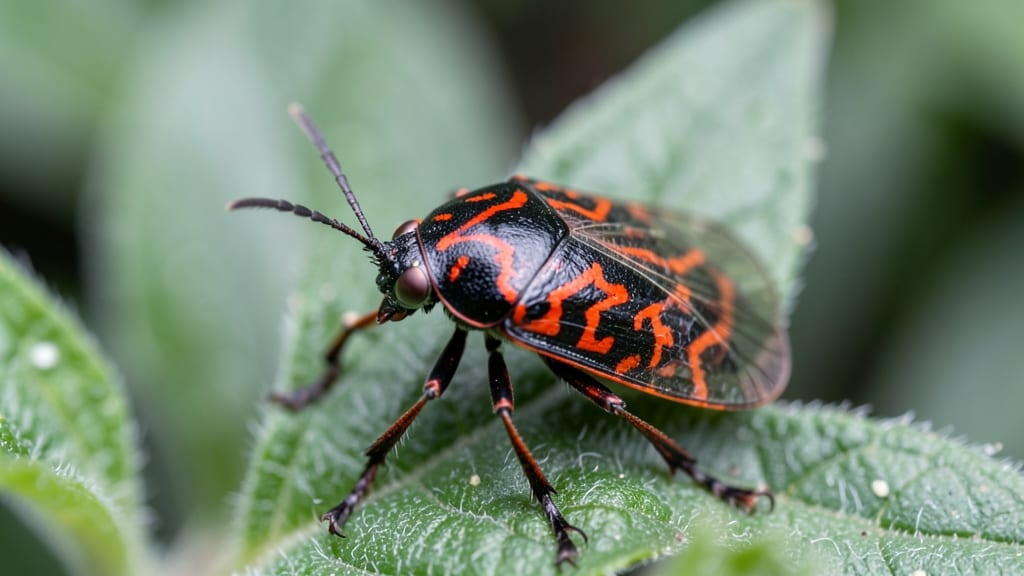
A milkweed bug clutch is a cluster of 10-30 eggs that milkweed bugs lay together on milkweed leaves, encased in a protective sticky coating that shields them from predators and keeps them from drying out.
A milkweed bug clutch isn't just a random grouping—it's a survival strategy. 🌿 The sticky secretion acts like a natural glue, bonding eggs to leaves while confusing predators with its odd texture.
This clustering also helps regulate humidity, which is critical since milkweed bugs need moist conditions for their eggs to develop properly. Interestingly, the bugs often choose younger, softer leaves for laying, possibly because these provide better protection against environmental stress.
What's fascinating is how this behavior reflects their entire life cycle. Milkweed bugs rely completely on milkweed plants, both as food sources for their nymphs and as safe egg-laying sites. The clutch's sticky protection isn't just about survival—it's a visible sign of their deep evolutionary connection to these plants.
When you see one of these clutches, you're witnessing nature's clever solution to two problems at once: predator defense and environmental adaptation.
💡 In This Article
- How Milkweed Bug Clutches Defend Against Predators
- Optimal Conditions for Milkweed Bug Egg Development
How milkweed bug clutches defend against predators
The sticky secretion covering milkweed bug clutches contains specialized proteins called glycoproteins that create a semi-permeable barrier. This substance hardens upon exposure to air, forming a protective shield that makes eggs 30-40% harder to remove than untreated surfaces.
When predators like birds or spiders attempt to dislodge eggs, the clutch's clustered formation causes the entire group to vibrate, often dislodging the predator instead. 🔥
Milkweed bugs strategically place clutches on the undersides of leaves, where they're shielded from direct sunlight and wind while remaining accessible to the plant's nutrients.
The leaves themselves play a role—their waxy surface makes it difficult for predators to grip, and the plant's natural toxins (like cardiac glycosides) often deter would-be attackers.
Interestingly, clutches laid on younger leaves (2-3 weeks old) show higher survival rates, possibly because these leaves contain more moisture and fewer existing insect marks.
This defense system goes beyond physical protection. The sticky coating contains subtle chemical signals that confuse predators' olfactory systems, making it harder for them to locate the eggs. Studies show that birds exposed to milkweed bug clutches will often avoid similar-looking leaves in the future, demonstrating a learned avoidance behavior.
The clutch's placement on milkweed plants also provides indirect protection—the plant's toxic sap acts as a natural deterrent to many predators.
Temperature plays a surprising role in clutch protection. When ambient temperatures exceed 90°F, the sticky secretion becomes more fluid, potentially making eggs more vulnerable. However, this same property helps prevent desiccation during dry periods by slowing moisture loss.
The bugs have evolved this dual-purpose secretion to balance protection against environmental extremes while maintaining flexibility for hatching conditions. 💫
What's particularly clever is how this defense system integrates with the milkweed plant's own survival strategies. The plant benefits from having milkweed bugs as pollinators and seed dispersers, creating a mutualistic relationship where both species thrive.
When you observe a milkweed bug clutch, you're seeing this evolutionary partnership in action—a perfect example of how insects and plants have co-evolved protective mechanisms over millennia.
The clutch's size (typically 10-30 eggs) also contributes to its defense. Smaller clutches would be more vulnerable to individual predators, while larger ones might attract attention. The optimal size represents a careful balance between reproductive output and predator avoidance.
This precise clustering isn't random—it's a sophisticated survival strategy honed through generations of natural selection. 🌟