
Planting
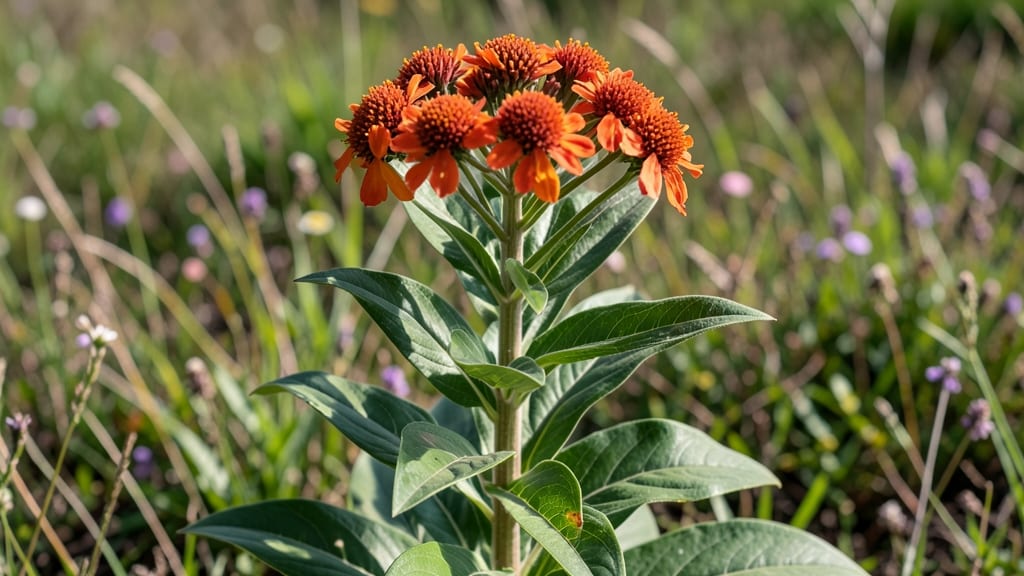
Milkweed plant images aren’t just food for monarchs—they’re a striking garden star with velvety foliage and dramatic seed pods. 🌿 I’ve watched my butterfly waystation transform from a patch of weeds into a pollinator magnet, all thanks to a few well-placed milkweed clumps.
The deep green leaves and towering flower spikes create vertical interest, while the orange monarchs make the whole scene feel alive. These plants thrive in sunny spots with average soil, making them perfect for wildflower meadows or pollinator-friendly borders.
Pair them with coneflowers, black-eyed Susans, or goldenrod to extend the season of color and activity. The seed pods add winter structure, so your garden stays interesting year-round. You’ll see monarch caterpillars munching leaves by late spring, and their chrysalises dangling like tiny art installations.
The more milkweed you plant, the more butterflies visit—it’s a foolproof way to support declining pollinator populations while boosting your garden’s natural beauty. Works in any sunny spot, from cottage gardens to urban containers. Here’s how to style yours for maximum impact!
📚 In This Guide
- What you need
- Instructions
- Tips and common mistakes
- Wrapping up and next steps
What you need
- ● Milkweed seeds (Asclepias spp.) – Choose native varieties like Asclepias tuberosa (butterfly weed) or Asclepias syriaca (common milkweed). Buy 1–2 seed packets (typically 50–100 seeds per packet) for a small garden.
- ● Seed-starting mix – 1–2 gallons of sterile, well-draining potting soil (avoid garden soil to prevent mold).
- ● Seed trays or small pots – 6–12 cell trays or 4–6 small pots (3–4 inches deep) with drainage holes.
- ○ Grow lights or sunny windowsill – A full-spectrum LED grow light (optional but helpful for indoor starts) or a south-facing window with 6+ hours of sunlight daily.
- ● Misting bottle or spray nozzle – For gentle watering to keep seeds moist without displacing them.
- ● Plastic wrap or humidity dome – To create a mini greenhouse effect while seeds germinate.
- ● Transplanting tools – A small trowel and gardening gloves for handling seedlings.
- ● Camera or smartphone – A DSLR/mirrorless camera with a macro lens (50mm–100mm) for close-ups, or a smartphone with a 2x optical zoom for beginners.
- ● Tripod or stabilizer – A lightweight tripod or a phone grip to steady shots.
- ● Natural light or ring light – Shoot during golden hour (early morning/late afternoon) for soft lighting, or use a USB ring light for indoor photos.
- ● Reflector or white foam board – To bounce light onto shaded areas of the plant.
- ○ Background props (optional) – A neutral cloth (white/gray) or natural elements (wood slices, pebbles) to frame your shots.
- ● Sunny planting site – Choose a spot with 6+ hours of direct sunlight daily (milkweed thrives in full sun!).
- ● Well-draining soil – Amend heavy clay soil with compost (1–2 bags) or sand to improve drainage.
- ● Watering can or hose with gentle nozzle – Avoid blasting seeds/seedlings, which can wash them away.
- ○ Mulch (optional) – 2–3 inches of organic mulch (straw or shredded leaves) to retain moisture and suppress weeds.
Step-by-step guide to photographing milkweed for monarch attraction
Capture the striking beauty of milkweed while highlighting its vital role in monarch conservation.
📸 Step 1: Scout and Select the Best Milkweed Specimens
Look for milkweed plants in full bloom with vibrant green leaves and distinctive seed pods. Early morning light—within two hours of sunrise—creates the softest shadows and most saturated colors. I focus on plants with monarch eggs or caterpillars if possible, as these add dramatic storytelling elements to your images.
Check for healthy growth patterns: avoid plants with yellowing leaves (a sign of stress or disease) or excessive damage from caterpillars. The best subjects will have full, upright stems and fresh flower clusters—these show milkweed at its most attractive and functional for monarchs.
☀️ Step 2: Position for Optimal Light and Composition
Place your subject in dappled sunlight to create natural contrast between the plant’s textures and the background. Overcast days work well for milkweed’s intricate details, but if the sun is strong, position the plant so light hits it from the side rather than directly overhead. This prevents harsh shadows that flatten the image.
Frame your shot to include at least 6 inches of background—this adds depth and context. I often include a monarch caterpillar or egg in the foreground or background to emphasize the plant’s ecological importance. Use a wide-angle lens for full-plant shots or a macro lens to capture fine details like the velvet-like texture of milkweed leaves or the intricate patterns of seed pods.
🌿 Step 3: Capture Close-Ups of Key Features
Focus on three critical elements: the flowers, the leaves, and the seed pods. Use a macro lens to fill the frame with a single flower cluster—this highlights the tiny orange and yellow hues that monarchs find irresistible. Shoot at f/8 or higher for maximum sharpness, and use a tripod to avoid camera shake.
For leaves, look for new growth with smooth, waxy surfaces that reflect light beautifully. The vein patterns create natural texture that adds depth to your images. If you spot a monarch caterpillar, capture it feeding on the leaves—this is one of the most compelling images you can create for conservation messaging.
⏰ Step 4: Edit for Natural Vibrancy and Conservation Impact
Use light editing to enhance the milkweed’s natural colors without over-saturating. I adjust exposure slightly to brighten the green tones while keeping shadows natural. Boost the contrast just enough to make the plant stand out against its background, but avoid over-processing that makes the image look artificial.
Add a subtle vignette to draw attention to the center of the image, where the milkweed’s key features (flowers, caterpillars, or seed pods) are located. If you’re photographing for conservation purposes, include a text overlay with the plant’s scientific name (Asclepias spp.) and a brief note about its role in supporting monarchs. This turns your images into powerful advocacy tools.
📲 Step 5: Share and Use Images for Monarch Advocacy
Post your milkweed images on social media platforms like Instagram or Facebook, using relevant hashtags like #MonarchButterfly, #NativePlants, and #PollinatorGarden. Tag local conservation groups and monarch advocacy organizations—they often share high-quality images to promote milkweed planting initiatives.
Use your photos in educational materials, such as blog posts, brochures, or presentations about native plants and monarch conservation. I’ve found that before-and-after shots—comparing a milkweed plant in early spring to one in full bloom—are particularly effective for demonstrating the plant’s growth cycle and its importance to monarchs. This visual storytelling helps inspire others to plant milkweed in their own gardens.
Tips & tricks for capturing stunning milkweed photography
These pro techniques will help you elevate your milkweed images from good to conservation-ready masterpieces.
Timing is Everything: The two-hour window after sunrise is your golden hour for milkweed photography. Dew clings to the leaves longer, creating natural water droplet effects that add texture. If you miss morning light, try overcast days—the diffused light reveals intricate details without harsh shadows. I’ve found that late afternoon light also works well, but avoid midday sun which can create unflattering contrasts.
Composition Secrets: When framing your shot, use the "rule of thirds" to place the milkweed’s most striking feature—whether it’s a monarch caterpillar or a seed pod—along one of the intersecting lines. This creates visual balance that draws the viewer’s eye. For full-plant shots, include at least 6 inches of background to provide context, but avoid busy backgrounds that distract from the milkweed’s natural beauty.
Lens Selection Matters: A macro lens is essential for capturing the delicate details of milkweed flowers and leaves, but don’t overlook your wide-angle lens for full-plant compositions. I recommend shooting at f/8 or higher for maximum sharpness across the entire frame. If you’re working with limited equipment, try the "focus stacking" technique—take multiple shots at different focus points and blend them in post-processing to create a perfectly sharp image.
Storytelling Through Details: Look for the small details that tell a bigger story: a monarch egg on a leaf, a caterpillar feeding, or the intricate patterns of seed pods. These elements add emotional impact to your images and highlight milkweed’s ecological importance. When photographing monarch eggs or caterpillars, be gentle—use a remote shutter release or your camera’s timer to avoid disturbing them. The subtle movement of a caterpillar can create a dynamic, living image that static shots can’t match.
Pro Tips for Milkweed Plant Images
- These pro techniques will help you elevate your milkweed images from good to conservation-ready masterpieces.
- Timing is Everything: The two-hour window after sunrise is your golden hour for milkweed photography.
- Composition Secrets: When framing your shot, use the "rule of thirds" to place the milkweed’s most striking feature—whether it’s a monarch caterpillar or a seed pod—along one of the intersecting lines.
Frequently asked questions
Got questions about milkweed plants? You’re not alone! Whether you’re a first-time gardener or a monarch enthusiast, here are some of the most common queries—and their answers—to help you grow this vital native plant with confidence.
What’s the best time of year to plant milkweed?
For most regions, spring (after the last frost) or early fall are ideal. Milkweed thrives in warm soil and establishes roots quickly in these seasons. If planting in summer, keep the soil moist until it’s well-rooted. Pro tip: Native milkweeds (like Asclepias tuberosa) prefer full sun, so avoid planting in shady spots!
How much sunlight does milkweed need daily?
Milkweed is a sun lover—aim for 6 to 8 hours of direct sunlight per day. While some varieties tolerate partial shade (especially in hot climates), too little light can weaken the plant and reduce its ability to support monarchs. Watch for leggy growth—this is a sign your milkweed needs more sun!
Can I grow milkweed in containers or small gardens?
Many milkweed species, like Asclepias curassavica (tropical milkweed), thrive in 5-gallon containers or larger with well-draining soil. Just ensure the pot has drainage holes and use a balanced fertilizer every 4–6 weeks. For small spaces, dwarf varieties (e.g., Asclepias incarnata) are perfect!
Why aren’t monarch butterflies visiting my milkweed?
Monarchs may avoid milkweed if it’s too young, sprayed with pesticides, or lacks nectar sources nearby. Ensure your plant is mature (at least 1–2 feet tall) and free of chemicals. Add companion plants like coneflowers or asters to attract adults. Patience is key! Monarchs may take weeks to find your garden.
Is milkweed toxic to pets or humans?
While milkweed contains mild toxins (like cardiac glycosides), it’s generally safe for humans in small amounts. However, ingesting large quantities can cause stomach upset. For pets, milkweed fluff (seeds) can irritate skin or cause mild digestive issues if chewed. Keep pets away from seed pods until they’ve dispersed naturally.
How do I prevent milkweed from spreading too aggressively?
Some milkweed species (like Asclepias syriaca) can spread via underground runners. To control growth, deadhead spent flowers and divide clumps every 2–3 years in early spring. For contained gardens, choose non-invasive varieties like Asclepias tuberosa or grow in pots.
Wrapping up and next steps
From stunning milkweed plant images to their vital role in supporting monarch butterflies, these native beauties are a must-have for any pollinator-friendly garden. 🌸 Whether you're drawn to their striking foliage, vibrant blooms, or ecological benefits, planting milkweed is a rewarding choice for both your landscape and local wildlife.
Ready to take the next step? Start small—grow a single patch this season and watch your garden transform into a monarch magnet! 🦋 Browse our curated milkweed varieties or explore planting tips to kick off your project today.