
Advice
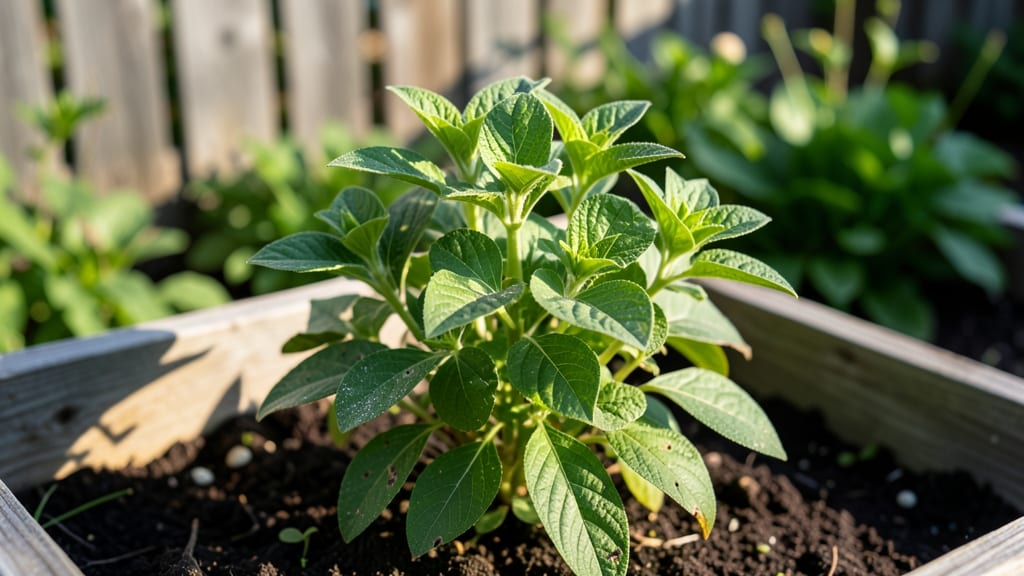
Silky Scarlet butterfly weed (Asclepias tuberosa) transforms your garden into a hummingbird highway with its fragrant orange blooms that last from summer into fall. 🌿 I’ve grown this drought-tolerant native for three seasons, and it’s become my go-to for pollinator-friendly gardens—it thrives where other plants wilt.
This milkweed variety demands full sun and well-draining soil, but it’s shockingly low-maintenance once established. Water lightly after planting, then let nature take over—it handles drought like a champ. Deer leave it alone, and its silky seed pods add winter interest.
By late summer, your garden will buzz with monarchs, bees, and hummingbirds. The scent is subtle but intoxicating, and the deep green foliage stays lush even in heatwaves. Just watch for mildew in humid climates—spread out plants for airflow. Perfect for borders, meadows, or containers.
Here’s how to grow it without the guesswork!
📚 In This Guide
- What you need
- Instructions
- Tips and common mistakes
- Wrapping up and next steps
What you need
- ● Butterfly Weed Seeds: 5–10 seeds (or 1–2 young plants from a nursery). Opt for Silky Scarlet varieties for vibrant color.
- ● Well-draining soil: Mix equal parts native soil, compost, and coarse sand or perlite (or use a cactus/succulent potting mix).
- ● Sunlight: A spot with full sun (6+ hours/day)—this plant thrives in heat!
- ● Watering can or hose: With a gentle spray nozzle for seedlings.
- ○ Gloves (optional): To protect hands from sap (though it’s non-toxic).
- ● Garden trowel or small shovel: For digging holes (2–3x wider than the root ball).
- ○ Mulch (optional): 1–2 inches of organic mulch (e.g., straw or wood chips) to retain moisture.
- ○ Plant markers (optional): To label your Silky Scarlet variety and track growth.
- ○ Pruning shears (optional): For trimming spent blooms to encourage more flowers.
- ● Patience! Butterfly Weed grows slowly but lives for decades—ideal for long-term pollinator gardens.
- ● Know your hardiness zone (USDA Zones 3–9). This plant is drought-tolerant but hates soggy roots.
- ● Check for milkweed bugs (they’re harmless!) or pests like aphids—treat with neem oil if needed.
Step-by-step guide to planting and cultivating Silky Scarlet butterfly weed
This fragrant, pollinator magnet thrives with minimal fuss—here’s how to coax its vibrant blooms.
🌱 Step 1: Select the Perfect Planting Site
Silky Scarlet butterfly weed (Asclepias tuberosa) craves full sun—at least 6-8 hours daily—and well-draining soil. I always scout the sunniest, driest corner of my garden because this native perennial despises soggy roots. Amend heavy clay with 2-3 inches of coarse sand or perlite to improve drainage if needed.
Test your soil’s pH—ideal range is 6.0-7.5. A simple home test kit works fine. If your soil is too alkaline, mix in 1-2 inches of composted pine bark to lower the pH naturally. This plant’s deep taproot means it’ll stay put, so choose a permanent spot.
🌿 Step 2: Plant Bare-Root or Container-Grown Starts
For bare-root plants, soak the roots in lukewarm water for 1 hour before planting to revive them. Dig a hole twice as wide as the root ball but only as deep—burying too deep suffocates the crown. Gently loosen the roots if they’re circling and position the plant so the top of the root ball sits just below soil level.
For container-grown plants, remove it from the pot and tease apart any root-bound roots. Backfill with native soil mixed with 1 cup of bone meal per plant to encourage strong root development. Water deeply until moisture reaches 6 inches down, then let the soil settle. You’ll notice the first true leaves emerge within 3-4 weeks if conditions are right.
☀️ Step 3: Establish Proper Watering and Fertilization
Water deeply once a week during the first growing season to encourage deep root growth. After that, butterfly weed becomes drought-tolerant—overwatering is the real danger. You’ll know it’s getting enough moisture when the soil feels dry 2-3 inches down between waterings. Mulch with 2-3 inches of wood chips to retain moisture and suppress weeds.
Skip high-nitrogen fertilizers—this plant thrives in lean soil. Instead, apply 1/2 cup of 5-10-10 fertilizer in early spring and again after blooming. The bright orange flowers signal it’s happy with minimal care. Deadhead spent blooms to encourage a second flush of flowers in late summer.
✂️ Step 4: Prune and Prepare for Winter
Cut back the entire plant to 6 inches tall in late fall or early spring. This prevents disease and makes it easier to spot new growth in spring. The plant’s woody stems will regrow from the base, so don’t worry about cutting too much. I always leave a few seed pods on the plant—they’re a vital food source for monarch caterpillars.
In colder climates (below Zone 5), mound 4-6 inches of mulch around the base for winter protection. Butterfly weed is hardy to Zone 4, but young plants may need extra insulation their first winter. In spring, remove the mulch once new shoots appear—usually by mid-April in most regions.
🦋 Step 5: Encourage Pollinators and Monitor for Pests
Once established, butterfly weed becomes a pollinator powerhouse. You’ll see monarchs, swallowtails, and bees flocking within 2-3 weeks of blooming. To maximize visits, plant it near milkweed varieties and neighborhood-friendly flowers like coneflowers or black-eyed Susans. Avoid pesticides entirely—this plant’s natural defenses make it pest-resistant.
Occasional aphids or spider mites may appear, but a strong spray of water usually knocks them off. If leaves develop yellow spots, it’s likely fungal leaf spot—remove affected foliage immediately and improve airflow by thinning nearby plants. A healthy butterfly weed rarely has issues, though.
Tips & tricks for perfect Silky Scarlet butterfly weed cultivation
Here's what nobody tells you about growing this pollinator favorite—tricks that'll make all the difference between a struggling plant and a thriving garden centerpiece.
Sunlight Strategy: That 6-8 hours of full sun isn't just a suggestion—it's non-negotiable for vibrant blooms. I've seen Silky Scarlet plants in partial shade produce weak stems and sparse flowers. If your yard has limited sun, consider a raised bed where you can control the growing conditions better. South-facing slopes or areas near buildings that reflect sunlight work beautifully too. The key is direct, unfiltered sunlight for those signature orange blooms.
Soil Science: The pH adjustment tip is crucial but often overlooked. I've seen gardeners skip this step in alkaline soils and wonder why their plants struggle. That 1-2 inches of composted pine bark isn't just about lowering pH—it also improves soil structure. For heavy clay soils, mix in your 2-3 inches of perlite right at planting time. This creates the perfect airy environment those deep taproots need to establish properly. Think of it as giving your plant's roots a luxury apartment instead of a basement.
Watering Wisdom: The once-a-week watering guideline is perfect, but timing matters more than you'd think. Water in the early morning when evaporation is lowest. This gives the soil time to absorb moisture before the heat of the day. I've noticed that watering in the evening can lead to fungal issues, especially in humid climates. And remember, that 6-inch deep watering isn't just about volume—it's about encouraging those roots to grow downward where they'll find more stable moisture conditions.
Seasonal Care: The mid-April mulch removal timing is actually more flexible than it seems. In colder regions, wait until you see consistent daytime temperatures above 50°F before removing mulch. This prevents shocking new growth. For the fall pruning, I've found that cutting back to 6 inches works, but you can go slightly lower—down to 4 inches—if you're in a particularly wet climate. The key is to leave enough growth to protect the crown from winter winds while still allowing sunlight to reach the base in spring.
Pro Tips for Butterfly Weed Silky Scarlet
- Here's what nobody tells you about growing this pollinator favorite—tricks that'll make all the difference between a struggling plant and a thriving garden centerpiece.
- Sunlight Strategy: That 6-8 hours of full sun isn't just a suggestion—it's non-negotiable for vibrant blooms.
- Soil Science: The pH adjustment tip is crucial but often overlooked.
Frequently asked questions
about Butterfly Weed Silky Scarlet—because every gardener deserves clarity! Here are answers to the most common queries to help you grow and enjoy these stunning blooms with confidence.How fast does Butterfly Weed Silky Scarlet grow?
This hardy perennial grows at a moderate pace. In ideal conditions (full sun, well-drained soil), you’ll see noticeable growth in the first season, with mature plants reaching 2–3 feet tall by late summer. Patience pays off—it’s worth the wait for those vibrant orange blooms!
Why aren’t butterflies visiting my Butterfly Weed?
If pollinators are scarce, check these fixes:
- Timing: Blooms peak in late spring to early fall—plant nearby nectar sources (like milkweed or coneflowers) to extend the buffet.
- Location: Ensure it’s in full sun (6+ hours/day) and avoid pesticides (even natural ones can deter them).
- Health: Wilting or sparse blooms may signal overwatering or poor soil. Amend with sandy, dry soil to mimic its native habitat.
When is the best time to plant Butterfly Weed Silky Scarlet?
Plant in early spring or fall for the best root establishment. Avoid extreme heat (summer) or frost (winter). If transplanting mature plants, do it in cool weather to reduce stress. No need to rush! This perennial spreads slowly but steadily.
Can I grow Butterfly Weed Silky Scarlet in containers?
Yes! It thrives in large containers (12+ inches deep) with fast-draining soil (mix potting soil with perlite or sand). Choose pots with drainage holes and place them in full sun. Warning: It’s aggressive—prune roots annually to control spread. Perfect for balconies or small gardens!
What are some alternatives if I can’t grow Butterfly Weed?
If your climate or space limits Silky Scarlet, try these pollinator-friendly substitutes:
- Milkweed varieties (e.g., Asclepias tuberosa ‘Hello Yellow’)
- Coneflowers (Echinacea purpurea) for long-lasting blooms
- Bee Balm (Monarda didyma) for hummingbirds + butterflies
- Goldenrod (Solidago spp.) for late-season nectar
Wrapping up and next steps
Incorporating Butterfly Weed Silky Scarlet into your garden isn’t just about adding beauty—it’s a simple yet powerful way to support pollinators and create a thriving ecosystem. 🌸 With its vibrant blooms and low-maintenance care, this plant is a game-changer for both beginners and seasoned gardeners alike.
Ready to take the next step? Start small: plant a few seeds or cuttings in a sunny spot this spring, and watch your garden transform into a pollinator paradise. Your efforts will make a real difference—one butterfly at a time! 🦋