
Watering
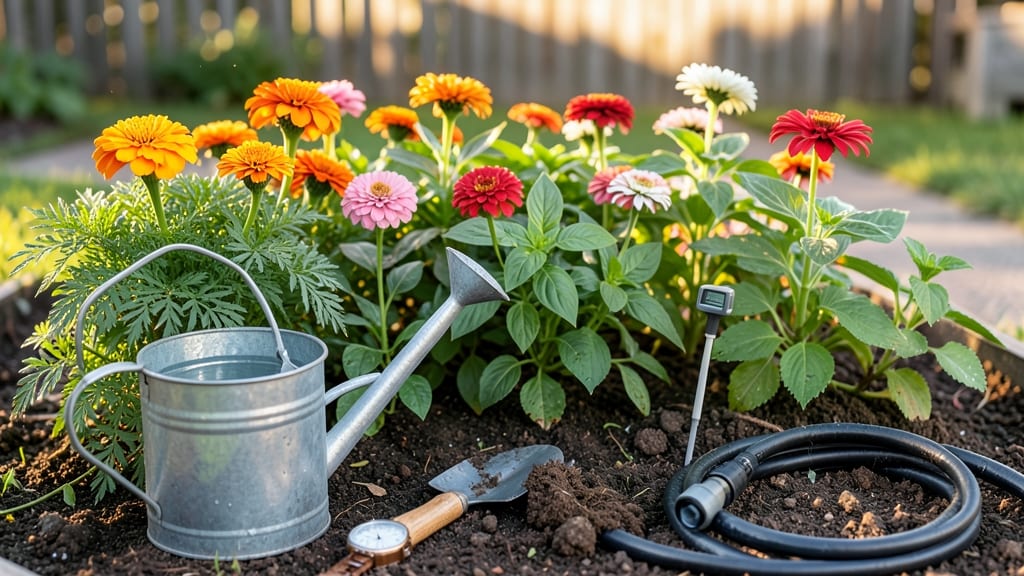
Watering outdoor plants at the right time is the difference between thriving 🌱 gardens and wasted effort — and the science behind it is simpler than you think.
Overwatering kills plants faster than underwatering—yet most gardeners still guess when to water instead of checking the soil’s real needs. A quick finger test or a moisture meter can tell you exactly when your plants crave hydration, saving you time and keeping roots happy.
Seasonal shifts, soil type, and even your local climate change the answer. What works in summer drought won’t cut it when winter rains slow down. Below, I’ll break down the perfect schedule for every condition, plus how to spot the subtle signs your plants are thirsty or drowning.
By the end, you’ll water with confidence—no more second-guessing, no more wilting surprises. Let’s make your outdoor plants moist and thriving all season long.


5 Soil test methods to determine when outdoor plants need watering
Determining when to water your outdoor plants isn’t about following a rigid schedule—it’s about understanding your soil’s moisture levels. Different plants and soil types need unique hydration, and guessing can lead to overwatering or underwatering.
The key is testing your soil’s moisture using simple, science-backed methods that take just minutes. Whether you’re growing tomatoes, roses, or herbs, these techniques will help you water with precision and save water in the process.
Climate plays a huge role in watering needs. Sandy soils drain quickly and need frequent watering, while clay holds moisture longer and requires less. Even the season changes the game—summer heat demands more water, while winter rains slow things down.
Let’s dive into five easy soil test methods to help you water your outdoor plants perfectly, every time.
| Method | How to Test | Best For | Accuracy | Tools Needed |
|---|---|---|---|---|
| Finger Check | Insert finger 1-2 inches deep. Dry = water; damp = wait. | All plants, DIY-friendly | 7/10 | None |
| Moisture Meter | Insert probe into soil; digital readout shows moisture level. | Precise readings, large gardens | 9/10 | Moisture meter ($15-$30) |
| Visual Soil Cues | Check soil color (dark = moist; light = dry) and texture (clumpy = dry; smooth = wet). | Quick checks, beginners | 6/10 | None |
| Weight Test | Lift a pot or dig a small hole; heavy = moist; light = dry. | Potted plants, intuitive | 8/10 | None |
| Trowel Test | Dig 3-4 inches deep; check moisture at root level. | Deep-rooted plants | 8/10 | Trowel or small shovel |
For sandy soils, water more frequently but less deeply, as they drain quickly. Clay soils, on the other hand, hold moisture longer and may only need watering every 7-10 days.
Always adjust based on weather conditions—after a heavy rain, skip watering entirely. If you’re unsure, stick with the finger check or moisture meter for consistent results.
The finger check is my go-to method for quick assessments. Simply insert your finger into the soil about 1-2 inches deep. If it feels dry, it’s time to water. This method is free, easy, and works for almost any plant.
For larger gardens, a moisture meter is a game-changer. These tools provide precise readings and save time, especially if you’re managing multiple beds or containers.
Visual cues like soil color and texture can also give you clues. Dark, rich soil usually means it’s moist, while light or crumbly soil signals dryness.
Pair this with the weight test—lifting a pot or digging a small hole can tell you if the soil is heavy (moist) or light (dry). This combo works well for potted plants or garden beds where you want to avoid overwatering.
If you’re growing deep-rooted plants like tomatoes or peppers, the trowel test is ideal. Dig 3-4 inches deep to check moisture at the root level. This ensures you’re watering deeply enough to encourage strong root growth.
For succulents or cacti, let the soil dry out completely between waterings—these plants thrive in dry conditions and overwatering can kill them quickly.
Remember, the best time to water is early morning or late evening to minimize evaporation and fungal risks. Pair these soil tests with the right timing, and your outdoor plants will thrive all season long.
Start with one method that fits your gardening style, and adjust as you learn what works best for your specific plants and climate.
Pro tip: Keep a watering journal to track soil moisture levels and adjust your schedule as seasons change. Over time, you’ll develop an instinct for when your plants need hydration—no guesswork required!
Best times of day to water outdoor plants for maximum efficiency
Watering your outdoor plants at the right time isn’t just about convenience—it’s about plant health and water conservation. The best times to water are early morning (before 9 AM) or late evening (after 6 PM), when temperatures are cooler and evaporation rates drop.
This timing helps roots absorb moisture efficiently while reducing fungal risks from prolonged leaf wetness.
Midday watering is a common mistake that wastes water through rapid evaporation and can scorch delicate foliage. Even if you’re eager to tend to your garden during the day, holding off until morning or evening makes a world of difference in plant vitality.
For example, tomatoes and peppers thrive with morning watering, while succulents and lavender prefer infrequent, deep watering in the evening.
Here’s how different times of day stack up for watering efficiency:
If you’re growing herbs like basil or flowers like roses, morning watering is your best bet. These plants benefit from consistent moisture and cooler temperatures. On the other hand, succulents and cacti should only be watered in the evening to prevent rot from excess moisture during hot days.
Adjust your watering schedule based on seasonal changes. In summer, you might need to water twice daily—once in the morning and once in the evening—while winter often requires only weekly watering.
Always check the top 1-2 inches of soil before watering; if it’s dry, it’s time to hydrate your plants.
Pro tip: Use a soaker hose or drip irrigation for deep, targeted watering. These tools deliver moisture directly to the roots, minimizing waste and maximizing efficiency. Pair this with your morning or evening routine, and you’ll see healthier, happier plants in no time!