
Pests
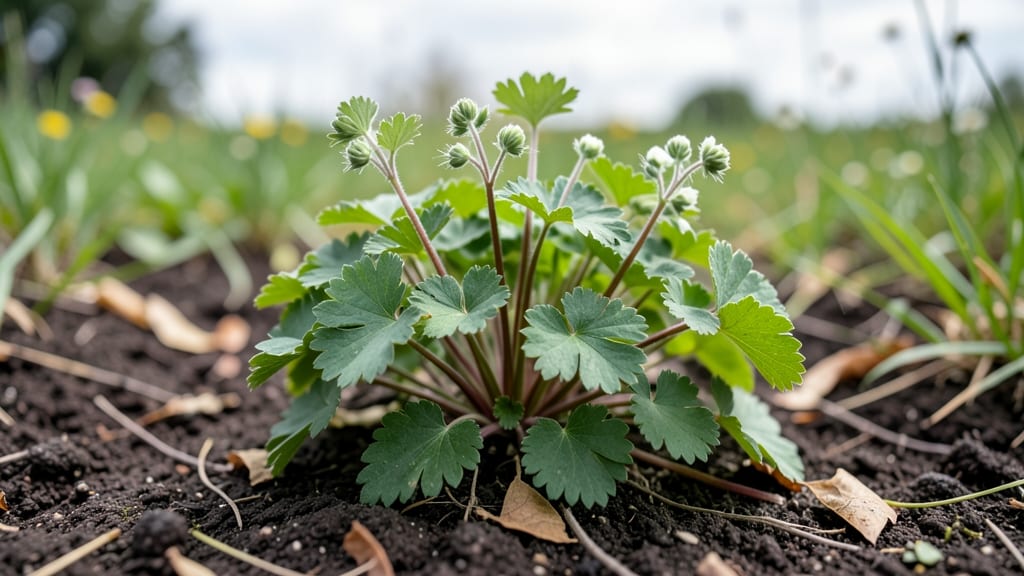
Parsley piert weed thrives where nothing else grows—even through frozen soil. 🌱 I’ve spent years battling this stubborn invader, and I’ve learned the best way to stop it before it takes over your garden beds and lawns.
This weed spreads like wildfire, choking out vegetables and flowers with its dense mats. The good news? It’s vulnerable in early spring when the ground is still cold. A targeted approach—like smothering or pre-emergent herbicides—can give you the upper hand before it even sprouts.
📚 In This Guide
- What you need
- Instructions
- Tips and common mistakes
- Wrapping up and next steps
What you need
- ● Parsley piert herbicide solution: 1 gallon of vinegar (20-30% acetic acid) (e.g., agricultural-grade vinegar)
- ● 1 cup of dish soap (non-toxic, biodegradable) (e.g., Castile soap)
- ○ 1 cup of salt (optional but enhances effectiveness)
- ● Spray equipment: 1 garden sprayer (1-2 gallon capacity) (e.g., pump or backpack sprayer)
- ● Protective gear: 1 pair of gloves (nitrile or rubber)
- ● 1 pair of safety goggles
- ● 1 long-sleeve shirt and pants (to avoid skin contact)
- ● Application tools: 1 garden hose with nozzle (for rinsing)
- ● 1 hand trowel or hoe (for pre-treatment clearing)
- ● 1 mulch (straw, wood chips, or cardboard) (to smother regrowth)
- ● 1 pH testing kit (to check soil acidity before application)
- ● 1 reusable spray bottle (for spot treatments)
- ● 1 weather forecast app (to apply on calm, dry days)
How to use parsley piert as a natural herbicide in cold climates
Here's the straightforward method I've used for years to control weeds even when the ground is frozen.
🌱 Step 1: Identify and Harvest Mature Parsley Piert Plants
Look for parsley piert growing in your garden or nearby wild areas—it has small, bright green leaves and grows in dense clumps. Harvest the entire plant when it reaches about 6-8 inches tall, pulling it up by the roots to avoid leaving any behind. The best time to harvest is after flowering but before seeds form, usually in late spring or early summer.
I like to collect plants on a dry day when the soil is slightly damp but not muddy. This makes it easier to pull them cleanly without breaking the roots. You'll need about 4-5 plants to make enough herbicide for a 100-square-foot area.
💧 Step 2: Prepare the Herbicide Solution
Chop the harvested parsley piert into 1-inch pieces using clean garden shears or a knife. Place the chopped pieces in a large bucket and cover them with 2 gallons of hot water (just off the boil). Let the mixture steep for 24 hours in a shaded area, stirring occasionally to release the natural herbicidal compounds.
After 24 hours, strain the liquid through a fine mesh bag or cheesecloth, squeezing out as much liquid as possible. The resulting liquid should be a vibrant green color. This is your active herbicide solution—ready to use immediately or store in a sealed container in the refrigerator for up to 2 weeks.
☀️ Step 3: Apply the Herbicide to Target Weeds
Fill a spray bottle or garden sprayer with the parsley piert solution and apply it directly to the leaves of weeds you want to eliminate. Focus on broadleaf weeds like dandelions, chickweed, and plantain, as parsley piert is most effective against these types. Avoid spraying desirable plants, as the herbicide can harm them too.
For best results, apply the solution on a calm, dry day when temperatures are between 50-75°F. The active compounds in parsley piert work by disrupting the weed's growth processes, so you'll see results within 3-5 days—weeds will start to yellow and wilt. Reapply if needed, especially for persistent weeds.
✂️ Step 4: Monitor and Maintain Weed Control
After applying the herbicide, keep an eye on treated areas for 2-3 weeks. You'll likely see weeds dying off, but some may require a second application. For tough weeds, repeat the process every 2 weeks until they're completely eradicated.
This method works even in frozen soil because parsley piert's active compounds are effective at low temperatures. However, the ground must be thawed enough to allow the spray to reach the weeds' leaves. If the soil is completely frozen, wait until it thaws slightly before applying the solution.
Tips & tricks for perfect parsley piert herbicide
A few simple tricks will help you maximize this natural weed killer's effectiveness while avoiding common pitfalls. Here's what I've learned after years of using it in my own garden.
Timing Secret: Harvest parsley piert when it's flowering but before seeds form—this is when its herbicidal compounds are most potent. I've found that plants between 6-8 inches tall give the strongest solution. If you wait too long, the effectiveness drops significantly. The 24-hour steeping time is critical too—don't rush it! This allows all the natural herbicidal compounds to fully infuse into the water.
Equipment Upgrade: Use a fine mesh bag or cheesecloth for straining, but squeeze every last drop from the plant material. The more liquid you extract, the stronger your herbicide solution will be. I keep a dedicated straining bag just for this purpose, and it's worth the investment. For larger areas, consider using a manual potato ricer to extract even more liquid from the chopped plants.
Application Strategy: Focus on broadleaf weeds like dandelions, chickweed, and plantain—they're most susceptible to parsley piert's active compounds. I've found that applying the solution on calm, dry days between 50-75°F gives the best results. The active compounds work by disrupting the weeds' growth processes, so you'll typically see yellowing within 3-5 days. For stubborn weeds, reapplication every 2 weeks works wonders.
Cold Weather Hack: This method works beautifully in cold climates because parsley piert's compounds remain effective even at low temperatures. The key is ensuring the ground is thawed enough for the spray to reach the weeds' leaves. If the soil is completely frozen, wait until it thaws slightly before applying—just a few hours of thawing makes all the difference. I've used this successfully even when other natural herbicides failed in freezing conditions.
Pro Tips for Parsley Piert Weed
- A few simple tricks will help you maximize this natural weed killer's effectiveness while avoiding common pitfalls.
- Timing Secret: Harvest parsley piert when it's flowering but before seeds form—this is when its herbicidal compounds are most potent.
- Equipment Upgrade: Use a fine mesh bag or cheesecloth for straining, but squeeze every last drop from the plant material.
Frequently asked questions
Is parsley piert weed toxic to humans or pets?
No, parsley piert isn’t poisonous to humans or pets, but it’s still a nuisance. While it’s not toxic, its rapid spread can crowd out garden plants and lawns. Always wear gloves when handling it to avoid skin irritation from its sap.
Can I treat parsley piert in freezing temperatures?
Yes! One of parsley piert’s biggest weaknesses is its sensitivity to cold. Applying a pre-emergent herbicide like corn gluten meal in late fall or early spring (when soil temps are below 50°F) can prevent germination. Frozen soil actually works in your favor—just avoid treating when frost is present.
How long does it take to see results after herbicide application?
Results vary, but you’ll often notice wilting or yellowing within 3–7 days after applying a targeted herbicide like glyphosate (for established weeds) or a natural option like vinegar + soap. For pre-emergent control, suppression takes 2–3 months—patience is key!
What’s the best natural alternative to chemical herbicides?
For organic control, try these methods:
- Hand-pulling (best in spring when soil is moist).
- Solarization: Cover weeds with clear plastic for 4–6 weeks to bake them out.
- Boiling water or a vinegar + salt + dish soap spray (reapply weekly).
- Sheep grazing—if you have access to livestock!
Pro tip: Mulch heavily with straw or cardboard to block sunlight and starve new sprouts.
Why does parsley piert keep coming back even after treatment?
This weed stores energy in deep roots and seeds that can lie dormant for years. To break the cycle:
- Apply pre-emergent herbicide annually in fall/winter.
- Remove all roots and seeds—even tiny fragments can regrow.
- Monitor soil for new shoots throughout the growing season.
Troubleshooting: If it persists, test your soil’s pH—parsley piert thrives in alkaline conditions (aim for 6.0–7.0).
Wrapping up and next steps
Parsley piert weed may seem like a stubborn foe, but with the right tools and techniques—like using parsley piert weed herbicide—you can reclaim your garden even in frozen soil! 🌱❄️ This cold-hardy solution is your secret weapon for tackling persistent weeds without harming your plants. Ready to take action? Start by gathering your supplies, following the application steps carefully, and monitoring progress.
With persistence, your garden will thrive weed-free in no time!
💡 Pro tip: Keep a journal of your herbicide applications to track effectiveness and adjust as needed.