
Advice
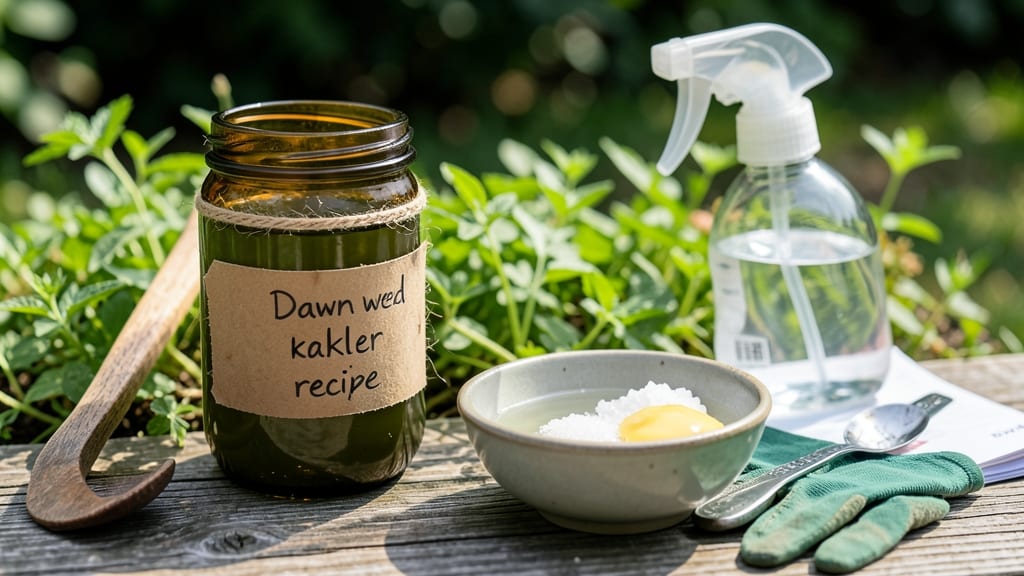
Dawn dish soap turns into a surprisingly effective weed killer when mixed with vinegar and salt. 🌱 This homemade spray tackles dandelions, crabgrass, and other stubborn weeds without harsh chemicals, though it requires careful application to protect surrounding plants and soil health.
The secret lies in the combination: white vinegar (20% acidity) breaks down weed cell walls, salt dehydrates roots, and Dawn’s surfactant helps the mixture cling to leaves.
You’ll need 1 gallon of vinegar, 1 cup of salt, and 1 tablespoon of Dawn—simple ingredients that cost pennies compared to store-bought herbicides.
Expect visible results within 3-7 days on young weeds, though thick root systems (like clover) may need repeat treatments. The spray works best on sunny days when weeds are actively growing, and it’s safest to test on a small patch first to avoid damaging nearby plants.
For tougher weeds or large areas, consider layering this method with hand-pulling or mulching. Overuse can harm soil microbes, so use sparingly and only as needed—this is about control, not eradication.
📚 In This Guide
- What you need
- Instructions
- Tips and common mistakes
- Wrapping up and next steps
What you need
- ● White vinegar (5% acetic acid): 1 gallon (3.8 liters) – The star ingredient that kills weeds on contact.
- ● Salt (non-iodized): 2 cups – Boosts effectiveness and helps dry out weeds.
- ● Dish soap (blue Dawn recommended): 1 tablespoon – Acts as a surfactant to help the solution stick to weeds.
- ● Spray bottle or garden sprayer: 1 gallon capacity – For even application (a pump sprayer works best for larger areas).
- ● Protective gear: Gloves (nitrile or rubber)
- ● Long sleeves/pants
- ○ Safety goggles (optional but recommended)
- ● Spray nozzle attachment: For precision targeting of weeds (avoids overspray on desired plants).
- ● Measuring cups/spoons: For accurate salt and soap quantities.
- ● Garden hose or water source: To dilute or rinse tools after use.
- ● Markers or flags: To label treated areas if working near plants you want to keep.
Step-by-Step instructions for making vinegar-salt-soap weed killer
This natural solution delivers fast results without harsh chemicals—ideal for stubborn weeds in driveways and sidewalks.
🌱 Step 1: Gather and Prepare Your Materials
Measure 1 gallon of white vinegar (5% acetic acid) into a large, clean spray bottle. The higher the acidity, the more effective the solution becomes—never use diluted vinegar. Add 1 cup of coarse salt (like kosher or sea salt) to the vinegar and stir thoroughly until fully dissolved. The salt enhances the vinegar's ability to break down weed cell walls.
Next, add 1 tablespoon of dish soap (like Dawn) to the mixture. This critical ingredient helps the solution cling to weed leaves instead of beading up and running off. Avoid using scented or antibacterial soaps—they contain additives that may reduce effectiveness. Shake the bottle gently to combine everything evenly.
💧 Step 2: Apply on a Dry, Sunny Day
Choose a dry, sunny day for application—this ensures the vinegar solution absorbs quickly into the weeds. Focus on young, actively growing weeds first, as they're most susceptible to the treatment. Spray the solution directly onto the leaves until fully saturated, avoiding nearby plants and soil. The solution works by dehydrating the weed, so thorough coverage is key.
For particularly stubborn weeds like dandelions, apply the mixture twice—once in the morning and again in the evening. This double application gives the vinegar more time to penetrate and break down the plant's structure. Always wear gloves and protective eyewear, as vinegar can irritate skin and eyes.
☀️ Step 3: Monitor and Reapply as Needed
Within 24-48 hours, you should see the weeds begin to wilt and turn brown. This is the vinegar working to dehydrate the plant. However, some tough weeds may require 3-5 days to fully die. If the weeds aren’t completely dead after a week, reapply the solution—just be sure to wait until the area is dry again.
Here’s the thing—this solution won’t kill weeds at the root like synthetic herbicides. Instead, it works best on above-ground growth. For persistent weeds, you may need to repeat the process every 2-3 weeks until the weed is fully eradicated. Always spot-test the solution on a small, inconspicuous area first to ensure it doesn’t damage surrounding plants or surfaces.
✂️ Step 4: Remove Dead Weeds and Prevent Regrowth
Once the weeds are completely brown and crispy, use a garden fork or hoe to pull them out by the roots. This prevents seeds from spreading and ensures the weeds don’t regrow. For weeds growing in cracks or tight spaces, a putty knife works well to scrape them out without disturbing the surrounding area.
To prevent future weed growth, apply a layer of mulch or landscape fabric to bare soil areas. This blocks sunlight, which weeds need to germinate. For driveways and sidewalks, consider sealing cracks with concrete patch to eliminate weed entry points. Regular maintenance—like pulling weeds early—keeps them from becoming a larger problem.
Tips & tricks for effective vinegar-salt-soap weed control
Mastering this natural weed killer comes down to precision in application and understanding how each ingredient plays its part.
Acidity Matters: The 5% acetic acid in white vinegar is crucial—never substitute with apple cider vinegar or lower concentrations. For particularly tough weeds, you can optionally increase effectiveness by using 1 gallon of 10% vinegar (available at hardware stores), though this will require more careful handling as it's more concentrated. The salt and soap work synergistically with this acidity to break down plant cell walls more effectively. Always use the full 1 cup of coarse salt as specified to maximize the solution's potency.
Application Technique: In Step 2, when spraying, focus on the leaves only—avoid wetting the soil or surrounding plants. Use a fine mist setting on your spray bottle to ensure even coverage without runoff. For weeds growing in tight spaces, consider using a paintbrush to apply the solution directly to the leaves. This targeted approach prevents waste and ensures maximum contact with the weed's foliage, which is where the vinegar works most effectively to dehydrate the plant.
Timing is Everything: The 24-48 hour window mentioned in Step 3 is when you'll first see visible results, but don't be discouraged if some weeds take up to 5 days to fully die. For persistent weeds like dandelions, the double application (morning and evening) in Step 2 creates a cumulative effect that penetrates deeper into the plant structure. Always apply when weeds are dry—moisture can dilute the solution's effectiveness. If you must apply to wet weeds, wait until the next dry day to see optimal results.
Safety First: When working with this solution, always wear gloves and protective eyewear as vinegar can cause skin irritation and eye burns. For sensitive skin, consider using nitrile gloves which provide better protection than latex. If you accidentally get the solution on your skin, rinse immediately with water. Also, spot-test the solution on a small area first—even natural solutions can sometimes affect different plant varieties differently.
Pro Tips for Dawn Weed Killer Recipe
- Mastering this natural weed killer comes down to precision in application and understanding how each ingredient plays its part.
- Acidity Matters: The 5% acetic acid in white vinegar is crucial—never substitute with apple cider vinegar or lower concentrations.
- Application Technique: In Step 2, when spraying, focus on the leaves only—avoid wetting the soil or surrounding plants.
Frequently asked questions
Got questions about using Dawn dish soap as a weed killer? You’re not alone! Here are answers to the most common queries to help you tackle those pesky weeds like a pro.
Can I use this Dawn weed killer on edible plants or garden beds?
While this recipe is safe for most ornamental plants and hardy weeds, avoid spraying edible plants, vegetables, or fruit trees. The vinegar and salt can harm delicate crops or soil microbes. For garden beds, test a small area first and use it sparingly on non-edible weeds like dandelions or crabgrass.
How long does it take for weeds to die after applying the spray?
Results vary, but you’ll typically see wilting within 24–48 hours. Complete death may take 3–7 days, depending on the weed type, weather, and sun exposure. Reapply if weeds are large or the area is shaded. Patience is key—consistency beats one-time spraying!
What if the weeds keep coming back after treatment?
Stubborn weeds may regrow if the roots aren’t fully exposed or if the spray misses them. For tough cases like bindweed or nutgrass, repeat applications every 2–3 days until the weed is brown and crispy. Pull weeds by the root (if possible) before spraying for better results.
Does this recipe work in extreme heat or cold?
Ideal weather for spraying is 70–85°F (21–29°C) on a sunny day. Avoid applying if rain is forecast within 24 hours (it’ll wash away the solution). In cold climates, wait until soil warms up—weeds are easier to kill when actively growing. Store your mixture in a cool, dark place if not using immediately.
Are there gentler alternatives if I’m worried about nearby plants?
Yes! Try these low-impact options first:
- Boiling water: Pour directly on weeds (best for driveways or cracks).
- Corn gluten meal: A natural pre-emergent for lawns (apply in early spring).
- Manual removal: Dig weeds with roots or use a hoe on sunny days.
Wrapping up and next steps
Natural weed control doesn’t have to be complicated or expensive! With just a few household ingredients—vinegar, salt, and soap—you’ve got a powerful, eco-friendly dawn weed killer recipe to tackle stubborn weeds without harsh chemicals.
This solution is perfect for driveways, sidewalks, and garden paths, giving you results fast while keeping your yard safe for kids and pets.
Ready to reclaim your outdoor space? Grab your spray bottle and get started! For even better results, test a small area first and repeat applications on tough weeds. Happy weeding—your yard will thank you! 🌱✨