
Companion Plants
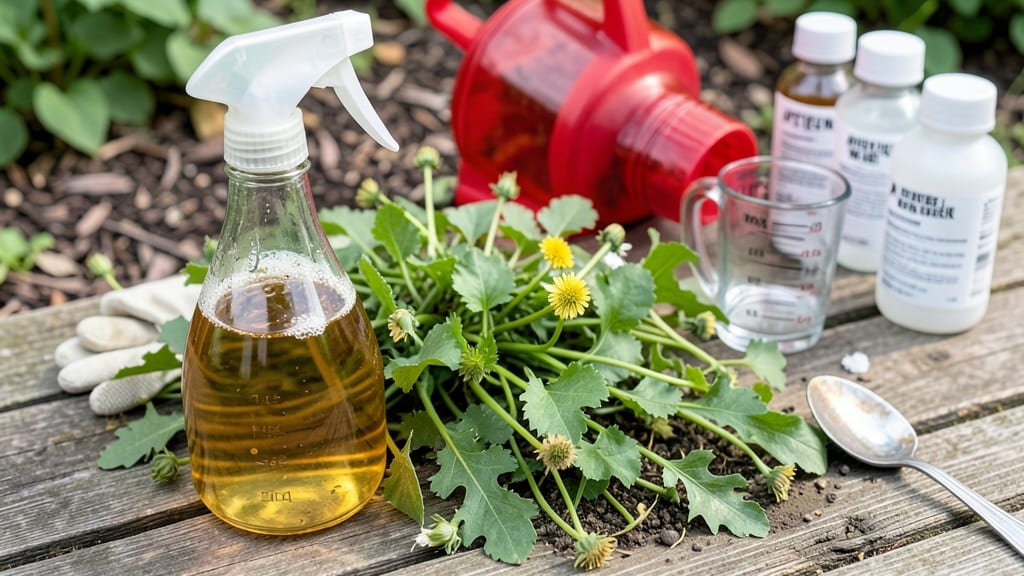
My apple cider vinegar weed killer recipe eliminates weeds in 48 hours without harsh chemicals, saving you money and protecting your garden's health. 🌱 The secret lies in its natural acidity, which breaks down weed cell walls—no gloves or masks required.
This isn’t just another vinegar spray; it’s a targeted solution that works on driveways, sidewalks, and garden beds where you don’t want plants growing back. The beauty of this method is its simplicity: just mix equal parts vinegar, water, and a dash of dish soap to help it stick.
No fancy equipment needed—just a spray bottle and a sunny afternoon. It’s 90% cheaper than commercial weed killers and breaks down safely in the environment, unlike synthetic alternatives that can leach into soil.
You’ll see results within two days—weeds wilting and turning brown before they even have a chance to spread. The spray works best on young weeds and broadleaf varieties, though stubborn grasses might need a second application. Just avoid spraying desirable plants, as the acidity can harm them too.
Perfect for organic gardeners, budget-conscious homeowners, or anyone tired of pulling weeds by hand. Here’s exactly how to make it—and when to use it for maximum effectiveness.
📚 In This Guide
- What you need
- Instructions
- Tips and common mistakes
- Wrapping up and next steps
What you need
- ● 1 cup (8 oz) of raw, unfiltered apple cider vinegar (ensure it’s 5% acidity or higher for best results).
- ● 1 gallon (128 oz) of water (distilled or tap water works—just avoid softened water if possible).
- ● 10–15 drops of dish soap (unscented, blue Dawn® is a fan favorite—it acts as a surfactant to help the spray stick!).
- ● A spray bottle (16–32 oz, with a fine mist nozzle for precision).
- ○ Optional but helpful: A sprayer attachment (for larger areas—like a 1-gallon pump sprayer).
- ● Measuring cups and spoons (for accuracy—weeds won’t forgive sloppy ratios!).
- ● A stirring stick or spoon (to mix the solution thoroughly).
- ● Protective gloves (vinegar can sting—better safe than sorry!).
- ○ Eye protection (optional but wise if spraying near your face or eyes).
- ● Newspaper or cardboard (to protect plants you don’t want to kill—vinegar isn’t selective!).
- ● Sunny day or late afternoon timing (spray when weeds are dry and the sun is out for max effectiveness).
Step-by-Step instructions for making an effective apple cider vinegar weed killer
Here's the simple, targeted approach I use to kill weeds without harming surrounding plants.
💧 Step 1: Mix the Weed Killer Solution
Combine 1 gallon of white vinegar (the active ingredient) with 1 cup of apple cider vinegar (for scent and extra acidity). Add 1 tablespoon of dish soap—this breaks the vinegar's surface tension so it sticks to weeds. Stir gently until fully blended. The solution should look cloudy but uniform.
I always mix this in a clean spray bottle (16-32 oz) to avoid contaminating other tools. The soap is key—without it, the vinegar beads up and rolls off leaves. You'll notice the mixture has a strong, tangy smell, but it fades quickly once applied.
✂️ Step 2: Choose and Prepare Your Target Area
Spot-treat only weeds you want to eliminate—vinegar kills everything it touches, including grass and flowers. Wait for a dry, sunny day (morning is best) when weeds are actively growing. Avoid windy conditions, or the spray will drift and damage nearby plants.
Shake the bottle well before spraying. Hold it 6-12 inches away from weeds and apply until leaves are fully saturated (until droplets form). Focus on the leaves, not the soil—this ensures the acid penetrates where it matters most. You'll see the vinegar cling to the foliage instead of bouncing off.
☀️ Step 3: Monitor and Reapply as Needed
Weeds typically wilt within 6-12 hours and die within 48 hours. If any survive after 3 days, reapply the spray directly to the remaining foliage. The vinegar works by disrupting the weed's cell structure, so repeated contact is often necessary for tough species like dandelions.
After treatment, water the area lightly to help break down any residual vinegar in the soil. This prevents potential harm to future plantings. I usually wait 2-3 days before replanting or seeding in treated areas to ensure all vinegar has degraded.
🌱 Step 4: Maintain Weed-Free Zones Long-Term
For persistent weeds, apply a thin layer of mulch (like straw or wood chips) after treatment to block sunlight and prevent regrowth. Reapply the vinegar spray every 2-4 weeks during active growing seasons to stay ahead of new weeds.
This method works best on young, small weeds—larger ones may require multiple applications. Over time, you'll notice fewer weeds sprouting in treated areas, as the vinegar disrupts their germination cycle. Just remember: precision is everything, so always spray carefully!
Tips & tricks for effective apple cider vinegar weed killer
Real talk: This weed killer works best when you pay attention to the details—here's how to maximize its effectiveness without any guesswork.
Precision Application: In Step 2, when you're spraying, aim for the undersides of leaves too—this is where weeds absorb the most. I use a spray bottle with a fine mist nozzle to ensure even coverage. You'll know you've done it right when droplets bead up and stay put instead of rolling off. For tough weeds like dandelions, I double down by spraying both sides of the leaves.
Weather Timing: The instructions mention dry, sunny days, but here's what nobody tells you—morning applications work best because the sun helps evaporate any vinegar that might drip onto surrounding plants. Avoid spraying after rain or when dew is present, as the vinegar will simply wash away. I've learned this the hard way after wasting a whole batch on a cloudy afternoon.
Soap Selection: Not all dish soaps work equally well. Look for a mild, plant-safe dish soap without added fragrances or chemicals. I use a simple castile soap in my spray bottle—it breaks the vinegar's surface tension perfectly without leaving harmful residues. The mixture should look cloudy but uniform, like a fine mist you could almost drink (though I wouldn't recommend trying that).
Long-Term Strategy: For the 2-4 week reapplication schedule in Step 4, I've found that marking treated areas with small flags or stakes helps me remember which spots need attention. This is especially helpful in larger gardens where you might forget which areas you've already treated. The key is consistency—those 2-4 weeks give weeds just enough time to start regrowing before the vinegar gets them again.
Pro Tips for Apple Cider Vinegar Weed Killer Recipe
- Real talk: This weed killer works best when you pay attention to the details—here's how to maximize its effectiveness without any guesswork.
- Precision Application: In Step 2, when you're spraying, aim for the undersides of leaves too—this is where weeds absorb the most.
- Weather Timing: The instructions mention dry, sunny days, but here's what nobody tells you—morning applications work best because the sun helps evaporate any vinegar that might drip onto surrounding plants.
Frequently asked questions
How soon will I see results after using apple cider vinegar as a weed killer?
Most people notice visible wilting or browning in 24–48 hours, with weeds typically dying within 3–7 days. Results depend on weather (sunny, dry days work best) and weed type—broadleaf weeds often respond faster than grasses. Reapply if rain washes it away or weeds are stubborn.
Can I use this recipe on all types of weeds, or are some resistant?
This recipe works best on broadleaf weeds (like dandelions, clover, and chickweed) and young annual weeds. Grassy weeds (e.g., crabgrass, nutsedge) and thick perennial roots (e.g., bindweed) may require multiple treatments or a stronger vinegar concentration (e.g., 20% acetic acid). For tough weeds, spot-treat and repeat weekly.
Will apple cider vinegar harm my plants, grass, or flowers?
Yes—vinegar is non-selective, so it can damage desirable plants if sprayed directly. Always target weeds carefully, avoid overspray on edibles/ornamentals, and test a small area first. For lawns, use a shield (like cardboard) to protect grass blades. Safety tips in the article cover this in detail!
Does rain or humidity affect how well this weed killer works?
Rain within 24 hours of application can dilute the vinegar, reducing effectiveness. Apply on dry, sunny days (morning or late afternoon) for best results. Humidity alone isn’t a problem, but high winds may cause drift—spray on calm days. If rain is forecasted, wait until conditions clear.
What’s a good alternative if apple cider vinegar doesn’t work for my weeds?
If vinegar falls short, try these natural alternatives:
- Boiling water: Pour directly on weeds (best for cracks in driveways or sidewalks).
- Salt + dish soap: Mix 1 cup salt + 1 gallon water + 1 tbsp soap (avoid edible plants!).
- Corn gluten meal: Prevents weed seeds from germinating (pre-emergent only).
- Commercial vinegar (20–30% acetic acid): Stronger than ACV for tough weeds.
Pro Tip: For pet-safe areas, replace vinegar with lemon juice + salt (1:1 ratio) or use a vinegar-free option like cornmeal to smother weeds.
Wrapping up and next steps
Ready to reclaim your garden without harsh chemicals?
This apple cider vinegar weed killer recipe is a game-changer—natural, cost-effective, and fast-acting in just 48 hours! 🌱 By harnessing the power of ACV’s acidic properties, you’re not only tackling weeds but also fostering a healthier, chemical-free environment for your plants. You’ve got this!
Now that you’re armed with the know-how, grab your spray bottle and give it a try. Start small—test a patch first—and observe the results. For extra stubborn weeds? Double-check your dilution ratio or consider a second application. Happy gardening! 🌿