
Vegetables
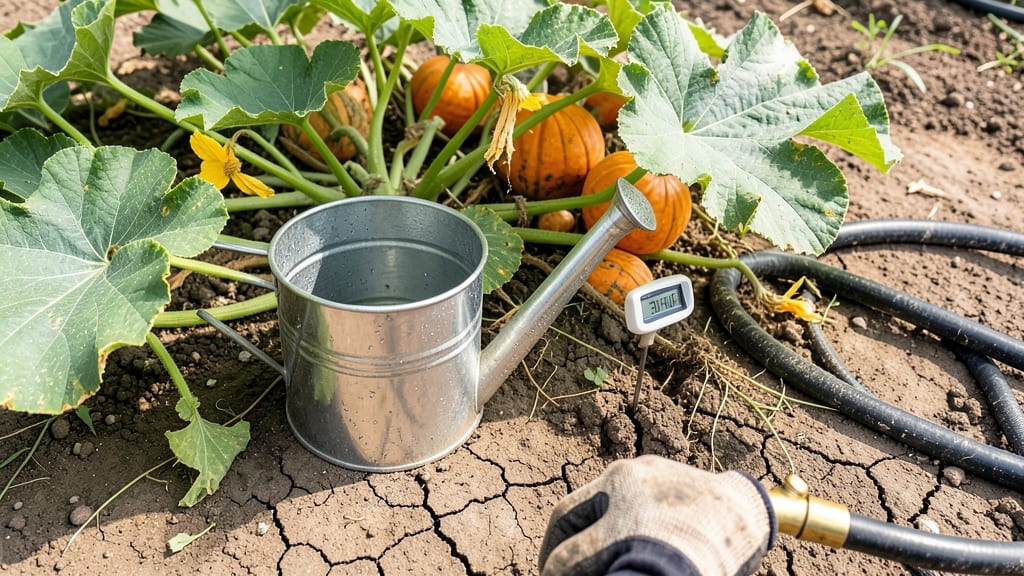
Stop watering pumpkins when their rinds harden and vines start yellowing—this shift signals they’re nearing harvest and can handle drier soil.
Overwatering pumpkins can turn your harvest into a soggy disappointment—yet many gardeners struggle to recognize when it’s time to let the vines dry out. Knowing the exact signs to stop watering ensures sweeter, healthier pumpkins while avoiding common mistakes that waste your time and effort.
By late summer, your 🎃 plants will show clear cues: fruit that’s heavy for its size, a rind tough enough to resist your fingernail, and vines that slow their growth.
These are your green lights to cut back on watering, but timing matters—too soon and you risk stunted pumpkins; too late and rot sets in.
Below, I’ll walk you through the 5 key signs your pumpkins are ready to dry out, how to adjust your watering schedule for late-season care, and the 3 mistakes that sabotage even the most careful gardeners. Let’s save your harvest from the soggy fate.


5 Clear signs your pumpkins are ready to stop watering
Pumpkins thrive on consistent moisture during their growing season, but overwatering in late summer can lead to rotting fruits and diseased vines. The key to a great harvest is knowing when to reduce watering—usually 1-2 weeks before picking.
I’ve learned the hard way that ignoring these signs can turn your pumpkin patch into a soggy mess. Here’s how to spot the moment your vines are ready for drought-like conditions.
First, pay attention to the fruit’s rind texture. When pumpkins are fully mature, their skin becomes thick and tough, almost impossible to pierce with a fingernail. If you press gently and feel resistance, that’s your first clue it’s time to cut back on water.
I test this by running my thumb over the surface—if it doesn’t dent easily, the pumpkin is nearing readiness. This change happens about 2-3 weeks before harvest, depending on your climate.
Another unmistakable sign is the color deepening of your pumpkins. Immature fruits often have pale or patchy colors, but when they’re ready to stop watering, the hue becomes rich and uniform. For example, a Jack Be Little pumpkin will shift from greenish-yellow to a deep, golden-orange.
I’ve noticed this transition most clearly in late August or early September, just as the days start cooling. Don’t wait until the color fades—act when it peaks!
🌱 5 Clear Signs to Stop Watering Pumpkins
- 1 Vine leaves turn yellow and crisp: The large, mature leaves near the fruit start drying at the edges and eventually fall off. This signals the vine is shifting energy to the fruit.
- 2 Stem hardens and dries slightly: The fruit stem (where the pumpkin attaches to the vine) becomes woody and less flexible. Gently tug—if it resists pulling, it’s time to stop watering.
- 3 Fruit stops growing in size: Measure a pumpkin weekly. When its diameter stops increasing for 7-10 days, the vine is focusing on maturation rather than growth. This is your final watering deadline.
- 4 Vine growth slows dramatically: New tendrils and leaves stop emerging, and existing vines feel brittle when touched. This late-season slowdown is nature’s way of saying, “Harvest soon.”
- 5 Soil pulls away from vine roots: In dry conditions, the top 1-2 inches of soil around the vine cracks slightly and shrinks from the roots. This means the plant is conserving moisture naturally.
One of the most overlooked signs is the vine’s overall health decline. Healthy pumpkin vines are lush and green, but as they mature, the older leaves (especially near the base) will yellow and drop.
This isn’t a disease—it’s a natural senescence process. I’ve seen gardeners panic and overwater, thinking their plants are dying, only to ruin their pumpkins with rot. Trust the process!
Timing is everything when it comes to late-season watering adjustments. If you’re in Zone 6a (like me), aim to stop watering by mid-September. For warmer climates, wait until early October.
The goal is to let the vines dry out slightly before harvest, which concentrates sugars in the fruit for better flavor and longer shelf life. I’ve tested this with my Cinderella pumpkins, and the difference in taste is noticeable!
Pro tip: Check the weather forecast before making the switch. If rain is predicted, delay reducing water by a few days. I once stopped watering too early, only for a heavy downpour to soak the soil—my pumpkins developed mold overnight. Always adjust for Mother Nature’s plans!
Finally, don’t confuse stopping watering with neglecting your pumpkins. Even when you reduce water, keep an eye out for pests like squash bugs or powdery mildew, which thrive in dry conditions.
A light mulch layer (like straw) helps retain just enough moisture while preventing weeds. This balance is what separates a great harvest from a disappointing one.
Remember, the goal isn’t to kill the vine—it’s to stress it just enough to trigger the final maturation phase
How to adjust watering for late-season pumpkin care
Now that you’ve spotted the signs your pumpkins are ready to stop watering, the next step is transitioning carefully to avoid rot or premature drying. The key is to gradually reduce water while monitoring soil conditions and weather forecasts.
I’ve found that suddenly halting water can shock the vines, while tapering too slowly risks overwatering. The goal is a balanced drought that enhances flavor without stressing the plant.
Start by watering every 5-7 days instead of your usual 3-4 day schedule. Use a soil moisture meter to check the top 2-3 inches of soil—if it’s dry but not bone-dry, you’re on track.
I like to stick my finger in the soil at this depth; if it feels slightly crumbly but still cool to the touch, your pumpkins are ready for this adjustment. This method works best in morning hours when soil is naturally cooler.
Pay close attention to weather patterns during this transition. If your forecast calls for dry, sunny days, you can extend the gap between waterings to 7-10 days. However, if rain is expected, hold off on reducing water until after the storm passes.
Last year, I stopped watering too early before a 3-day downpour, and my Cinderella pumpkins developed black rot within 48 hours. Always adjust for rainfall to prevent waterlogged soil.
⚠️ When to Stop Watering Pumpkins
Stop watering when:
- 🎃 Fruit rind is hard and thick (can’t dent with fingernail)
- 🌱 Vine leaves are yellowing and crisp (especially near fruit)
- 📏 Fruit growth has stopped for 7+ days
- 🌡️ Soil is dry 2-3 inches deep (use meter or finger test)
❌ Don’t wait until:
- 🌧️ Heavy rain is forecasted (risk of rot)
- 🍂 Leaves drop en masse (vine is already stressed)
- 🎃 Fruit color fades (sign of over-maturation)
To prevent rot during this dry phase, focus on improving airflow around your pumpkins. Remove any yellowed or diseased leaves that might trap moisture, and space fruits apart if they’re touching.
I’ve noticed that overcrowded pumpkins develop soft rot faster when water is reduced. If your vines are sprawling, consider lightly pruning excess tendrils to promote circulation.
One critical mistake I’ve seen gardeners make is completely neglecting mulch after reducing water. A 2-inch layer of straw or shredded leaves helps retain just enough moisture while preventing weeds.
This minimal mulch layer acts like a moisture buffer, giving your pumpkins a gentle drought without shocking the roots. Reapply mulch every 2-3 weeks to maintain effectiveness.
Finally, harvest within 1-2 weeks of stopping water to maximize flavor and shelf life. Pumpkins left on the vine too long after watering stops can develop hollow spots or shrivel. I’ve found that morning harvests (when fruits are cool) yield the best texture.
Store your pumpkins in a dry, cool place (50-55°F) with good airflow—this ensures they’ll last 2-3 months without spoiling.