
Pests and Diseases
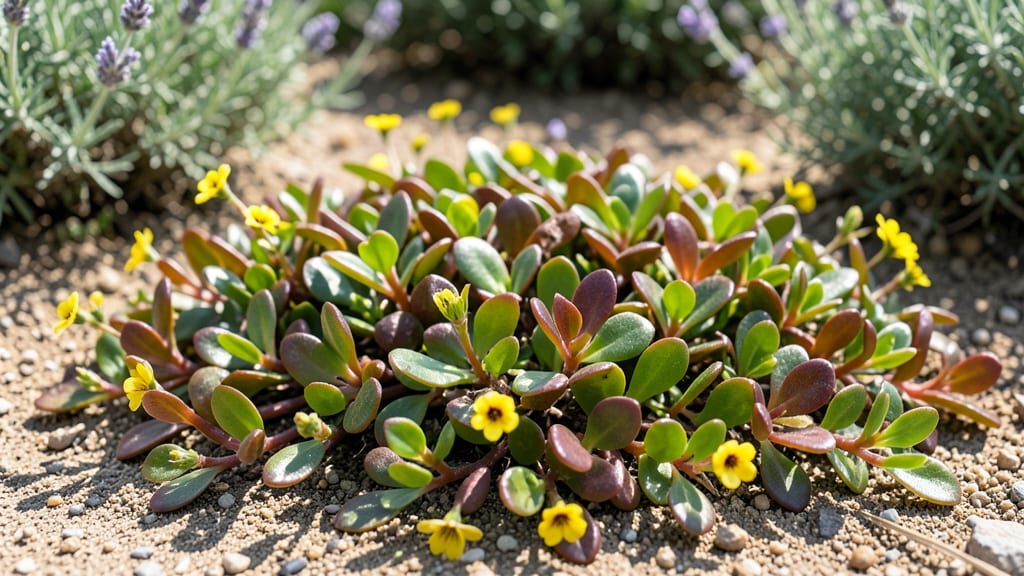
That "weed" you're yanking from your garden might be a nutrient powerhouse—common purslane is packed with omega-3s and vitamins. 🌱 I used to pull it too, until I learned it’s actually edible and beneficial for soil.
The problem? It spreads like crazy and can choke out your plants if left unchecked.
Instead of pulling, try hand-weeding at the base when soil is moist (it detaches easily) or smother it with cardboard or mulch to block sunlight. For stubborn patches, a vinegar-based spray (1 gallon vinegar + 1 oz dish soap) works—but test on a small area first.
The key is consistency; purslane roots are shallow but prolific.
You’ll see results within 2-3 weeks if you stay on top of it. The plants you do want will thrive without competition, and you might even harvest some purslane for salads or pestos. Just avoid chemical herbicides—purslane’s hardy seeds can survive treatment and regrow stronger.
Pro tip: Plant densely with fast-growing crops like lettuce or radishes to outcompete purslane naturally. And if you’re curious about cooking with it, try sautéing the leaves like spinach—they’re tangy and full of good fats. No more wasted greens!
📚 In This Guide
- What you need
- Instructions
- Tips and common mistakes
- Wrapping up and next steps
What you need
- ● Fresh common purslane weed: Harvest Portulaca oleracea (identify carefully—avoid toxic lookalikes like Portulaca grandiflora). Aim for 1–2 lbs (0.5–1 kg) for a standard recipe.
- ● Cleaning supplies: Large bowl of cool water
- ● Strainer or colander (stainless steel or plastic, 8–12 inches wide)
- ● Soft brush or paper towels (for stubborn dirt)
- ● Cutting tools: Sharp chef’s knife (6–8 inches) or kitchen shears
- ● Cutting board (medium-sized, 12x12 inches)
- ○ Foraging gear (optional but helpful): Gloves (nitrile or cotton, for handling prickly stems)
- ● Small trowel or scissors (for clean harvesting)
- ● Field guide or app (e.g., iNaturalist) for positive ID
- ● Cooking essentials: Pot or skillet (10–12 inches, for sautéing or boiling)
- ● Oil (olive, avocado, or sesame—2–3 tbsp for cooking)
- ● Salt and pepper (to taste)
- ● Knowledge: Confirm the plant is Portulaca oleracea (juicy stems, succulent leaves, no milky sap). Double-check with a local expert if unsure!
- ● Safety: Harvest from pesticide-free areas (e.g., organic gardens, wild patches away from roads).
- ● Timing: Pick purslane in the morning when it’s crispest. Avoid wilted or yellowed leaves.
How to identify, harvest, and use common purslane as an edible green
This fast-growing, nutrient-packed "weed" thrives in summer heat—here’s how to spot it, harvest it right, and turn it into meals.
🌱 Step 1: Identify Common Purslane in Your Garden
Purslane (Portulaca oleracea) sprawls low to the ground with thick, fleshy stems and succulent leaves. Look for its distinctive purslane leaves—round, thick, and slightly fleshy, often with a reddish tint when stressed. The stems are bright green and segmented, while the tiny yellow flowers bloom in late afternoon, closing by evening.
Here’s the thing—it’s easy to confuse with other weeds, so double-check: purslane has no hairs on its leaves (unlike lamb’s quarters) and grows in a prostrate, spreading habit rather than upright. If you pull it and the stem snaps cleanly with a juicy break, that’s your confirmation.
🌿 Step 2: Harvest at Peak Flavor and Nutrient Content
Harvest young purslane—before it flowers—for the best texture and flavor. The leaves and stems should be tender and crisp, not woody or bitter. Use clean, sharp scissors or pinch the stems just above a leaf node to encourage bushier regrowth. Avoid harvesting in midday heat—the leaves wilt quickly, so pick in the early morning when they’re hydrated.
Real talk: if you wait until it flowers, the stems toughen and the leaves develop a slightly bitter taste. I like to harvest every few days in summer—it grows so fast that a single plant yields multiple servings per week without needing replanting.
☀️ Step 3: Clean and Prepare for Cooking or Raw Use
Rinse purslane thoroughly under cool water to remove dirt, then pat dry gently—excess moisture makes it soggy when cooked. The leaves and stems are edible raw, but many people prefer them lightly cooked to soften the texture. I often blanch purslane for 30 seconds in boiling water, then shock it in ice water to preserve its vibrant green color and nutrients.
Don’t overcook it—purslane turns mushy quickly. A quick sauté with garlic and olive oil for 2-3 minutes brings out its natural tangy flavor. Store harvested purslane in the fridge for up to 5 days in a sealed container, but it’s best used fresh.
💧 Step 4: Use Purslane in Recipes or Preserve for Later
Purslane’s Omega-3 fatty acids make it a powerhouse in salads, stir-fries, or as a pesto base. Toss it raw into grain bowls with lemon and olive oil, or blend it into soups for a creamy texture. For long-term storage, blanch and freeze the stems and leaves in airtight bags—they’ll keep for up to 6 months without losing nutritional value.
I’ve found that purslane pairs well with citrus, avocado, and nuts—its slightly tangy, lemony flavor cuts through rich dishes. Try it in a purslane and feta salad with olive oil and cracked pepper, or mix it into scrambled eggs for a nutrient boost.
Tips & tricks for perfect purslane harvesting and cooking
Common purslane is nature’s secret weapon—here’s how to turn your backyard “weed” into a culinary superstar without wasting a single leaf.
Identification Precision: The stem snap test is your best friend—purslane stems should break with a juicy snap, not tear like lamb’s quarters. I’ve pulled dozens of plants thinking they were purslane, only to discover they were bitter dock or hairy bittercress. Always check for that signature segmented, hairless stem before harvesting.
Harvesting Timing Secret: Those 2-3 minutes of sautéing in Step 3 are critical—they’re the difference between vibrant, crisp purslane and a mushy pile. Start timing as soon as you see the first hint of color change in the leaves. For raw use, harvest just after morning dew evaporates (around 9 AM) when the leaves are hydrated but still crisp. Over-mature plants develop a gritty texture that’s nearly impossible to salvage.
Blanching Technique: The 30-second blanch in Step 3 isn’t just about cooking—it’s about preserving those Omega-3s. Use a slotted spoon to immediately transfer blanched purslane to ice water, then drain thoroughly. This shock treatment locks in the bright green color and prevents wilting. Pro tip: Work in batches if harvesting large quantities, keeping the ice bath cold between transfers.
Storage Wisdom: For that 5-day fridge life mentioned, store purslane in a single layer on paper towels before sealing the container. The towels absorb excess moisture that would otherwise turn your purslane into a soggy mess. For freezing, spread blanched purslane on a tray to freeze solid first—this prevents clumping when you later bag it for long-term storage.
Pro Tips for Common Purslane Weed
- Common purslane is nature’s secret weapon—here’s how to turn your backyard “weed” into a culinary superstar without wasting a single leaf.
- Identification Precision: The stem snap test is your best friend—purslane stems should break with a juicy snap, not tear like lamb’s quarters.
- Harvesting Timing Secret: Those 2-3 minutes of sautéing in Step 3 are critical—they’re the difference between vibrant, crisp purslane and a mushy pile.
Frequently asked questions
Is common purslane safe to eat raw or cooked?
Yes! Purslane is highly edible—both raw and cooked. Its slightly tangy, lemony flavor works fresh in salads or lightly sautéed like spinach. Pro tip: Cooking reduces its natural oxalates, making it gentler on digestion.
When is the best time to harvest purslane for eating?
Harvest young shoots (3–6 inches) for the mildest flavor—older stems get woody and bitter. Timing: Pick in the morning after dew dries but before the heat of the day (10 AM–2 PM). Avoid harvesting after rain to prevent slimy texture.
How do I tell common purslane apart from toxic look-alikes?
Purslane has thick, succulent stems and reddish or yellow flowers. Toxic mimics (like Portulaca oleracea’s poisonous cousins) often have milky sap or hairy leaves. Rule of thumb: If it’s glossy, fleshy, and grows low to the ground, it’s likely safe.
What’s the easiest way to cook purslane if I’m new to it?
Start with a simple stir-fry! Sauté 1 cup chopped purslane in olive oil for 2–3 minutes with garlic, salt, and a splash of lemon juice. Bonus: Toss with pasta or quinoa for a nutrient-packed boost.
Why does my garden have purslane, and how do I control it without harming edibles?
Purslane thrives in disturbed soil and dry conditions—it’s not invasive but can outcompete seedlings. Non-toxic control: Hand-pull (roots included) or mulch heavily. Warning: Avoid herbicides; purslane is edible and absorbs chemicals.
Wrapping up and next steps
Common purslane isn’t just a pesky weed—it’s a nutrient-packed superfood hiding in plain sight! 🌱 Packed with omega-3s, vitamins, and antioxidants, this edible green deserves a spot in your kitchen, not just your compost bin.
Next time you spot it in your garden, grab a pair of gloves and give it a second chance—harvest, cook, and enjoy!
Ready to turn weeds into meals? Start small:
- Pick a sunny patch and harvest a handful.
- Try it raw in salads or sautéed with garlic.
- Share your purslane wins with fellow gardeners!