
Advice
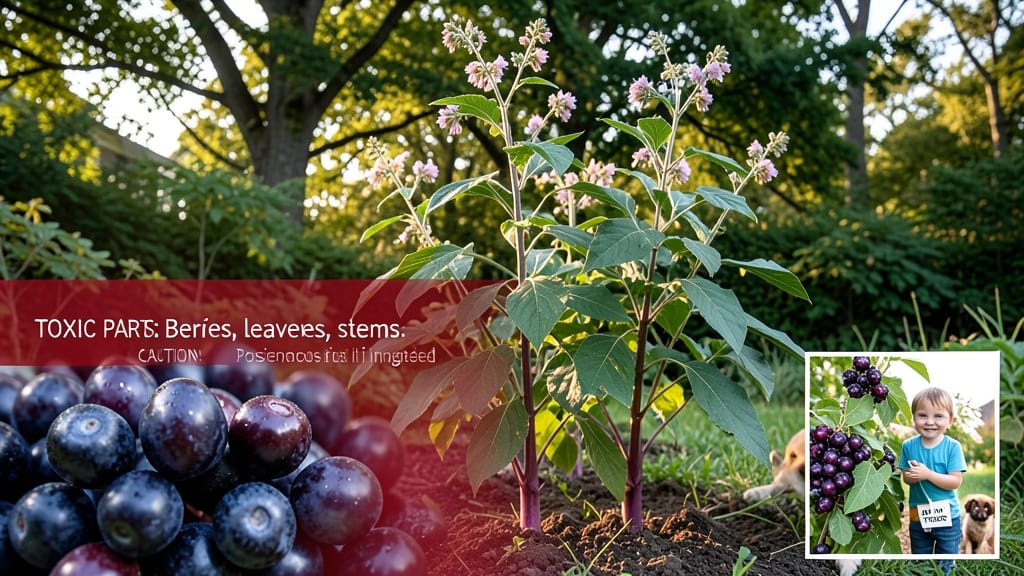
Yes, pokeweed is poisonous, especially its berries and roots, which contain toxic alkaloids like phytolaccatoxin that can cause severe vomiting, diarrhea, and even organ damage if ingested. Even skin contact may trigger rashes or irritation, requiring immediate medical attention if exposed.
Every part of the pokeweed plant carries risks, but the berries pack the most potent toxins, capable of triggering severe reactions even in small amounts. 🌿 The roots contain concentrated phytolaccatoxin, which can cause systemic poisoning, while leaves and stems may still irritate skin or mucous membranes.
What's alarming is how easily children or pets might mistake the dark purple berries for grapes, leading to accidental ingestion. I always recommend treating pokeweed encounters as medical emergencies until professional advice confirms otherwise.
Even exposure to the plant's sap can lead to skin irritation or allergic reactions, so gardeners should wear gloves when handling it. The toxicity varies by season—berries become more dangerous as they ripen, while roots retain their potency year-round.
If you suspect exposure, wash affected areas immediately and seek help, as symptoms can escalate quickly.
💡 In This Article
- Toxic Components in Pokeweed by Plant Part
- First Aid and Emergency Response for Pokeweed Exposure
Toxic components in pokeweed by plant part
The most dangerous part of pokeweed is its berries, which contain phytolaccatoxin—a potent alkaloid that can cause severe systemic poisoning. These dark purple berries, often mistaken for grapes, contain up to 0.1% phytolaccatoxin by weight, meaning just 10-20 berries could trigger symptoms in a child.
The toxin disrupts cellular function by interfering with protein synthesis, leading to organ damage if untreated.
The roots are equally hazardous, containing even higher concentrations of phytolaccatoxin (0.3-0.5%) that persist year-round. When ingested, these toxins cause gastrointestinal distress, including violent vomiting and diarrhea, as they irritate the digestive tract lining.
The stems and leaves contain lower toxin levels (0.05%) but still pose risks—skin contact can trigger dermatitis or blistering in sensitive individuals.
Seasonal variations matter: berries become most toxic in late summer to fall, when phytolaccatoxin levels peak. Roots, however, remain dangerous throughout the year. The plant's sap contains resins and irritants that can cause allergic reactions, even without ingestion.
This is why gardeners and foragers must treat all parts with caution—even dried leaves retain residual toxicity.
What makes pokeweed uniquely dangerous is how its toxins accumulate in the body. Phytolaccatoxin isn't metabolized quickly, meaning symptoms can worsen 6-12 hours after exposure. In severe cases, it can lead to neurological effects like seizures or coma, particularly in children or those with pre-existing liver conditions.
The plant's ability to mimic edible plants (like grapes or blackberries) adds to the risk.
Scientifically, phytolaccatoxin works by inhibiting RNA polymerase, an enzyme critical for DNA transcription. This halts protein production in cells, particularly in the gastrointestinal tract and liver, causing the hallmark symptoms of poisoning.
The toxin's structure—similar to other plant alkaloids—allows it to cross cell membranes easily, making it highly bioavailable once ingested.
For comparison, pokeweed's toxicity rivals that of castor beans (which contain ricin) but lacks the same delayed onset. While ricin causes symptoms days later, phytolaccatoxin acts within hours, giving it a more immediate danger profile. This rapid response time is why emergency intervention is critical when exposure occurs.