
Plants
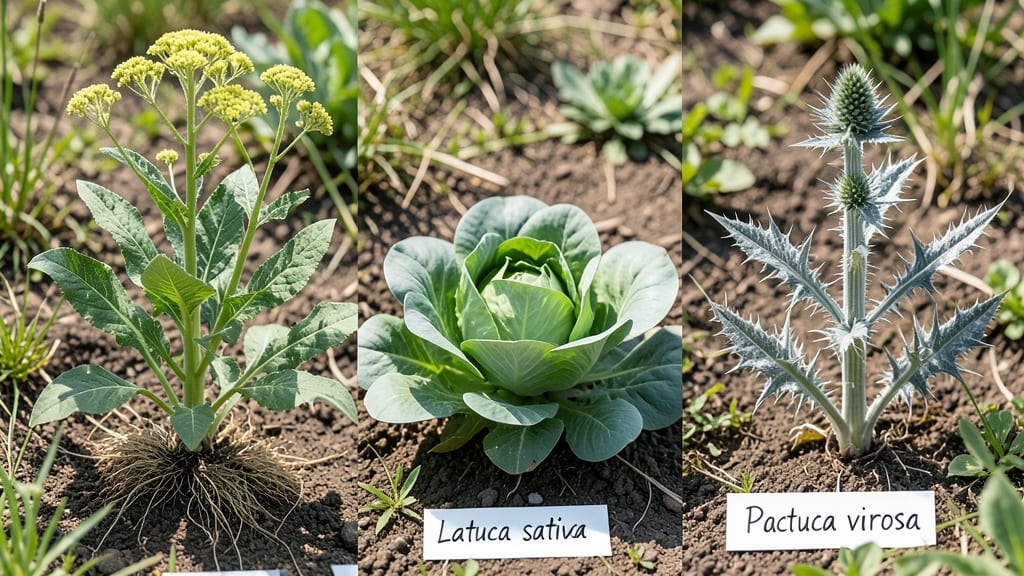
Pulling up what you think is lettuce—only to realize it's one of the weeds that look like lettuce—is every gardener's worst nightmare. 🌱 I've spent hours yanking plants I thought were baby romaine, just to toss them in the compost pile.
The key to avoiding this frustration is recognizing the subtle differences between real lettuce and its imposters before they take over your salad patch.
Most common culprits like prickly lettuce and wild lettuce mimic the shape and texture of young lettuce leaves, but they grow faster and develop spiky stems or bitter flavors.
Chickweed, another sneaky lookalike, has smooth, oval leaves that form a rosette similar to butter lettuce—but it spreads aggressively and has a slightly sticky texture when crushed. The good news? Once you know what to watch for, spotting these weeds becomes second nature.
Your garden will stay clean and productive when you act fast—hand-pulling is easiest for small patches, while a targeted spray of vinegar-based herbicide (for larger infestations) works in just 24 hours.
The real secret, though, is prevention: mulch heavily around lettuce beds and plant densely to block weeds from getting a foothold in the first place.
Don't let these weeds ruin your harvest. With a little practice, you'll spot them before they become a problem—and your salad bowl will stay full of the real deal. Here's how to keep your garden weed-free without losing your mind in the process.
📚 In This Guide
- What you need
- Instructions
- Tips and common mistakes
- Wrapping up and next steps
What you need
- ● Gloves – A pair of nitrile or leather garden gloves (size medium or large) to protect your hands from prickly stems or sap.
- ● Hand Lens (Magnifier) – A 10x magnification loupe to inspect leaf textures, veins, and tiny details that distinguish weeds from lettuce.
- ● Pruning Shears or Small Knife – A sharp, stainless-steel pair for safely collecting samples or trimming plants for closer inspection.
- ● Notebook & Pen – To jot down observations like leaf shape, growth patterns, or location in your garden.
- ● Camera or Smartphone – For capturing images of suspect plants (helpful for later reference or expert verification).
- ● Field Guide or Plant ID App – A printed guide (like Weeds of the Northeast) or a mobile app (e.g., PlantNet or iNaturalist) for quick lookups.
- ● Garden Trowel – For gently digging up roots to check for distinguishing features (like taproots vs. fibrous roots).
- ● Ruler or Measuring Tape – To record plant height or leaf width for precise comparisons.
- ● Spray Bottle with Water – To dampen leaves and highlight vein patterns under natural light.
- ● Plastic Bags or Ziploc Bags – For storing samples if you need to consult a local extension office or botanist.
- ● Sunlight or Grow Light – A bright, indirect light source for examining plants up close (a windowsill works great!).
Quick ID guide to weeds that look like lettuce
Here's how to spot the common lookalikes before they ruin your salad greens.
🌱 Step 1: Examine Leaf Shape and Arrangement
Start by comparing leaf shapes—true lettuce has broad, smooth-edged leaves that form a rosette close to the ground. Weeds like prickly lettuce (Lactuca serriola) have deeply lobed or serrated edges and grow taller with a more upright habit. Run your fingers along the leaf margins: if you feel tiny teeth or prickles, it's not your garden lettuce.
Look at the base of the plant too. Lettuce leaves grow in a tight spiral pattern right at the soil line, while many weeds send up long, wiry stems with leaves spaced farther apart. If you see a plant with yellow flowers shooting up before it reaches harvest size, that's a dead giveaway—most lettuce varieties stay leafy and never bolt.
🌿 Step 2: Check for Flower Stalk Development
This is the fastest way to tell them apart. True lettuce varieties like romaine or butterhead stay leafy and low-growing unless you're growing a bolt-resistant type. Weeds like wild lettuce or dandelion greens will send up tall, thin flower stalks (often with yellow or white blooms) long before they reach edible size.
Pull up a suspect plant and check the roots. Lettuce has a shallow, fibrous root system that spreads horizontally. Weeds often develop a deep, taproot or multiple thick roots—these are harder to remove completely, so it's better to pull them early. If you see a single thick root, that's your sign to toss it.
☀️ Step 3: Inspect Leaf Texture and Taste
Lettuce leaves are typically soft, tender, and slightly crisp to the touch. Weeds like chickweed or purslane have succulent, slightly rubbery leaves that don't hold up well in salads. Rub a leaf between your fingers—if it feels gritty or waxy, it's likely a weed.
Here's where taste comes in: true lettuce has a mild, slightly sweet flavor with no bitterness. Many weeds taste sharp, bitter, or soapy. Take a small bite of a leaf (after washing it thoroughly). If it leaves a lingering bitter aftertaste or makes your mouth pucker, it's not lettuce. I always test a few leaves first—better safe than sorry when it comes to garden greens.
✂️ Step 4: Compare Growth Habits and Seed Heads
Lettuce grows in a low, spreading rosette that stays close to the ground. Weeds like dandelion or shepherd's purse grow taller and more upright, often with distinctive seed heads. Dandelions develop their iconic puffball seed clusters, while chickweed produces tiny white flowers that turn into star-shaped seed pods.
Pay attention to how the plant grows over time. Lettuce stays compact and leafy unless it bolts. Weeds often self-seed aggressively, sending up multiple stems and spreading rapidly. If you notice a plant with multiple stems and tiny flowers, pull it immediately—it's already preparing to take over your garden.
💧 Step 5: Use the "Pinch Test" for Confirmation
Grab a leaf between your thumb and forefinger and give it a gentle pinch. Lettuce leaves crush easily and release a mild, fresh scent. Weeds often resist pinching or have a stronger, more pungent aroma. If the leaf feels tough or fibrous, it's not edible lettuce.
This test works best on mature leaves. Young, tender leaves of both plants can look similar, but as they age, the differences become clearer. I always do this test in the late afternoon when the plants have had time to fully absorb water—it makes the texture differences more obvious.
Tips & tricks for identifying garden weeds quickly
These simple tricks will help you spot weeds masquerading as lettuce in seconds—no green thumb required.
Leaf Margin Test: In Step 1, when examining leaf edges, focus on the underside of the leaf too. True lettuce leaves have smooth edges on both sides, while weeds like prickly lettuce often have visible prickles or hairs that become more obvious when you flip the leaf over. This extra step catches tricky lookalikes that might fool you at first glance.
Root Check Shortcut: Don't dig up every suspicious plant—just run your fingers along the soil line. Lettuce roots spread horizontally, so you'll feel a wide, flat network just below the surface. Weeds often have single thick roots or clusters that resist gentle pulling. If you can't easily slide your fingernail along the soil without resistance, it's likely a weed.
Time-of-Day Tip: The "pinch test" in Step 5 works best in the late afternoon when plants are fully hydrated. Early morning leaves might feel limp, while afternoon leaves are at their crispest. This makes the texture difference between tender lettuce and rubbery weeds more pronounced. I always do this test right before dinner prep—it's the perfect time to check your greens.
Flower Stalk Early Warning: When checking for flower stalks in Step 2, look for tiny buds or seed heads at the base of the plant, not just the top. Weeds like dandelion often develop multiple small flower clusters along their stems before the main bloom appears. Even a single bud means it's time to pull that plant—it's already past its edible stage.
Pro Tips for Weeds That Look Like Lettuce
- These simple tricks will help you spot weeds masquerading as lettuce in seconds—no green thumb required.
- Leaf Margin Test: In Step 1, when examining leaf edges, focus on the underside of the leaf too.
- Root Check Shortcut: Don't dig up every suspicious plant—just run your fingers along the soil line.
Frequently asked questions
Got questions about those sneaky weeds mimicking your lettuce? You’re not alone! Here are some of the most common queries—plus quick answers to keep your garden (and your salad) weed-free.
What are the most common weeds that look like lettuce?
Look for prickly lettuce (Lactuca serriola), wild lettuce (Lactuca virosa), or dandelion greens (Taraxacum officinale). These often sprout in spring, mimicking young lettuce with serrated leaves or rosette shapes. Check our ID guide to tell them apart!
How do I tell the difference between weeds and real lettuce?
Real lettuce has smooth, tender leaves and a soft stem. Weeds like prickly lettuce have spiky edges, milky sap when broken, or deep taproots. Pull a leaf—if it’s tough or bitter, it’s a weed!
When is the best time to remove these weeds?
Pull them early—when they’re young and small (2–4 inches tall). Wait too long, and they’ll bolt (flower) or spread seeds. Weekly checks in spring/fall are key. Pro tip: Use a hoe or vinegar spray for stubborn roots!
Can I eat weeds that look like lettuce?
Some, like dandelion greens or wild lettuce, are edible and nutritious—but only if 100% identified! Avoid weeds with milky sap (like prickly lettuce) or bitter tastes. When in doubt, skip it—safety first!
How do I prevent these weeds from coming back?
Start with mulch (straw or cardboard) to block sunlight. Plant dense lettuce varieties to outcompete weeds. Rotate crops yearly and keep soil healthy—weeds thrive in poor conditions. A little prevention beats endless pulling!
What if I accidentally planted a weed instead of lettuce?
Don’t panic! If it’s prickly lettuce, you can harvest young leaves (remove the spiky edges) or compost it. For wild lettuce, it’s edible but bitter—better to pull and replant. Check our troubleshooting tips for next steps.
Wrapping up and next steps
Identifying weeds that mimic lettuce can save your garden from unwanted guests—and your time from unnecessary frustration! 🌱 By learning key differences in leaf shape, growth patterns, and root structures, you can confidently distinguish between edible greens and pesky invaders. Next time you spot a leafy volunteer, pause and ask: "Is this my crop—or a clever imposter?" Grab a magnifying glass, compare with trusted guides, and take action before those weeds steal your harvest!
🌟 Ready to Master Weed ID?
Bookmark this guide, snap a photo of suspicious plants, and share your finds with gardening communities for extra help. The more you practice, the sharper your eye becomes—happy (and weed-free) gardening ahead! 🌿