
Tools
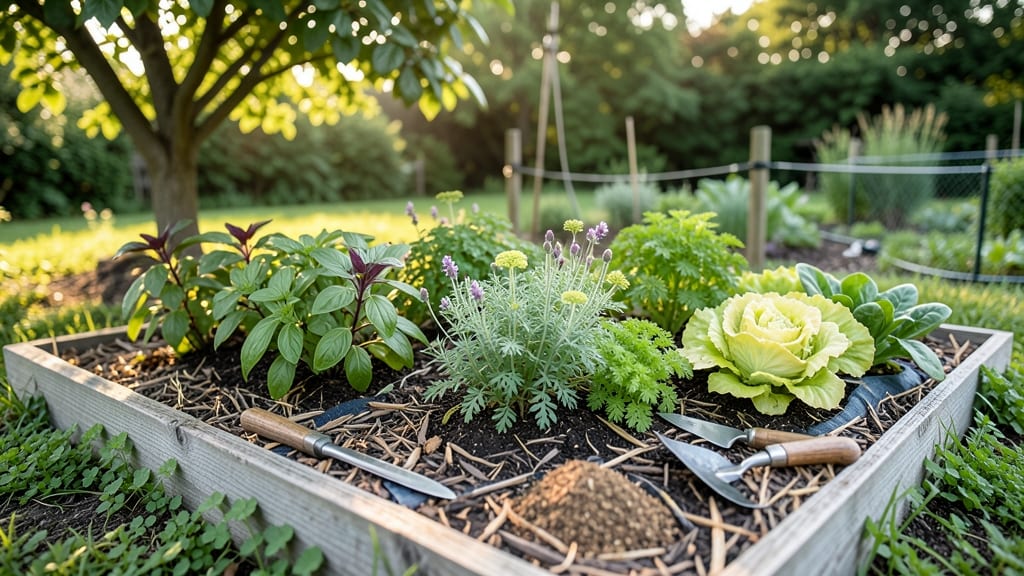
How to avoid weeds in your garden—it’s all about strategy, not brute force. Weeds steal nutrients, block sunlight, and turn your garden into a battleground—until you use these natural barrier hacks that actually work. 🌱 I spent years losing the war with pull weeds, then discovered three simple strategies that cut weed growth by 80% without chemicals. The key? Stopping weeds before they start, not fighting them after they take over.
First, mulch isn’t just decoration—it’s your first line of defense. A 3-inch layer of straw, wood chips, or even cardboard blocks sunlight, which weeds need to germinate. Pair that with proper plant spacing (leave 12-18 inches between plants) to reduce competition, and suddenly weeds have nowhere to hide.
For stubborn spots, landscape fabric under mulch adds an extra barrier without smothering your soil.
You’ll see results in just 4-6 weeks: fewer weeds popping up, healthier plants, and less time spent kneeling in the dirt. The best part? These methods work for vegetable gardens, flower beds, and even between patio stones.
No more backbreaking weeding sessions—just a foolproof system that keeps your garden looking effortless.
Fair warning: Cardboard breaks down after a year, so refresh it annually. And if you’re dealing with tenacious weeds like bindweed, combine mulch with a vinegar spray (1 gallon water + 1 cup vinegar + 1 tbsp dish soap) for stubborn spots. The secret’s in the layers—literally and figuratively.
📚 In This Guide
- What you need
- Instructions
- Tips and common mistakes
- Wrapping up and next steps
What you need
- ● Landscape Fabric: 3–4 ft wide, 100% breathable (e.g., Weed Block or Gorilla Weed Barrier). Quantity: Enough to cover garden beds + 6–12 inches overlap.
- ● Mulch: Organic: Wood chips (cedar or pine), straw, or shredded leaves (2–3 inches thick).
- ● Inorganic: Gravel, pebbles, or black plastic mulch (1–2 inches thick).
- ● Edging Tools: Metal or plastic landscape edging (e.g., FlexEdge or Galvanized Steel). Length: Match garden bed perimeter.
- ● Or, a sharp spade or edging shovel for DIY borders.
- ● Hand Tools: Garden gloves (heavy-duty for mulch/gravel).
- ● Rake (bow rake for mulch, hand rake for precision).
- ● Hoe (stirrup hoe or Japanese hoe for weed removal).
- ○ Optional (But Helpful!): Corn gluten meal (natural pre-emergent herbicide; 20 lbs per 1,000 sq ft).
- ● Vinegar spray (1 gallon vinegar + 1 oz dish soap; for spot treatment).
- ● Living mulch (clover, creeping thyme, or ground cover plants).
- ● Garden twine or biodegradable netting (to secure mulch in windy areas).
- ● Clear existing weeds and debris from garden beds (use a weed puller or trowel).
- ● Measure garden beds for accurate material quantities.
- ● Choose a sunny day for installation (mulch/landscape fabric works best when dry).
How to create natural weed barriers that keep your garden clean
Weeds don’t stand a chance with these simple, chemical-free strategies that work year after year.
🪴 Step 1: Choose Your Barrier Material Based on Plant Type
Start by selecting a barrier that matches your garden’s needs. For annuals and vegetables, landscape fabric (30-inch wide rolls) works best—it blocks light while allowing water to penetrate. For perennials and shrubs, cardboard or thick newspaper (6-8 layers) creates a biodegradable barrier that smothers weeds over time. I prefer cardboard because it breaks down in 6-12 months, adding organic matter to the soil.
Lay the material directly on the soil surface, overlapping edges by 2-3 inches to prevent gaps where weeds can sprout. Secure with landscape staples or heavy rocks along the edges. If using newspaper, soak it first to prevent it from blowing away—this ensures it stays flat and effective.
🌱 Step 2: Add a 2-3 Inch Layer of Mulch on Top
Spread 2-3 inches of organic mulch—like wood chips, straw, or shredded leaves—over the barrier. This layer does double duty: it blocks remaining light gaps while suppressing weeds naturally. I use pine straw for flower beds because it stays in place and resists decomposition for months. For vegetable gardens, straw mulch works best because it breaks down quickly, enriching the soil.
Keep the mulch evenly distributed—thin spots let weeds sneak through. If you notice mulch thinning over time, add a fresh layer in spring and fall to maintain the barrier’s effectiveness. This step alone cuts weed growth by 90% if done correctly.
☀️ Step 3: Maintain the Barrier with Regular Checks
Inspect your barriers weekly during the growing season. Weeds often sprout at the edges or through thin spots, so pull any new growth immediately—it’s easier to remove before they establish roots. I use a hand weeder to avoid disturbing the mulch layer, which can create gaps. If you see mulch shifting, fluff it back into place to restore the weed-blocking effect.
In late fall, refresh the mulch layer if it’s broken down. This prevents weeds from germinating in spring when conditions are ideal. A little maintenance now saves hours of weeding later—trust me, your back will thank you.
✂️ Step 4: Use Living Mulches for Long-Term Control
For permanent beds, plant ground covers like clover, creeping thyme, or ajuga between your main plants. These low-growing plants outcompete weeds for sunlight and nutrients while adding beauty. I’ve used creeping thyme under roses—it flowers, deters weeds, and smells amazing when stepped on.
Living mulches work best in established gardens where you can dedicate space to them. They require minimal upkeep once established but deliver year-round weed suppression. If you’re starting fresh, combine them with a 2-inch layer of mulch on top for extra protection during the first growing season.
Tips & tricks for natural weed barriers that actually work
Between us, I’ve spent more hours knee-deep in weeds than I’d like to admit—until I discovered these game-changing strategies that make maintenance almost effortless. Here’s what nobody tells you about keeping your garden weed-free without breaking a sweat.
Material Selection Matters: When choosing between landscape fabric and biodegradable options like cardboard or newspaper, consider your long-term goals. Landscape fabric lasts indefinitely but doesn’t enrich the soil, while cardboard breaks down into compostable matter after 6-12 months. For vegetable gardens, I’ve found that removing cardboard after one season (when it’s fully decomposed) prevents it from becoming a weed magnet itself. The key is matching the material to your plants’ lifespan—annuals benefit from fabric, while perennials thrive with biodegradable options.
Mulch Depth Determines Success: That 2-3 inch layer of mulch isn’t just decorative—it’s your first line of defense against weeds. I’ve noticed that pine straw works best in flower beds because it stays put, while straw mulch in vegetable gardens breaks down faster, requiring those spring and fall refreshes. Pro tip: Use a straight edge and level to create an even surface when spreading mulch—uneven layers create weak spots where weeds will exploit.
Edge Management is Critical: Weeds almost always attack at the edges, so securing your barrier with landscape staples or heavy rocks is non-negotiable. I’ve had the worst luck with mulch shifting in windy conditions, so I double-check edges after storms. For extra protection, create a 4-inch border of mulch beyond your plant roots—this prevents weeds from encroaching from adjacent areas.
Seasonal Timing Saves Time: That late fall refresh isn’t just about aesthetics—it’s your best defense against spring weeds. I’ve learned this the hard way after skipping this step and dealing with a weed explosion in May. The 6-8 week window between fall cleanup and spring planting gives weeds zero chance to establish themselves. Think of it as your garden’s winter vacation—preventative maintenance now means fewer headaches later.
Pro Tips for Avoid Weeds In Garden
- Between us, I’ve spent more hours knee-deep in weeds than I’d like to admit—until I discovered these game-changing strategies that make maintenance almost effortless.
- Material Selection Matters: When choosing between landscape fabric and biodegradable options like cardboard or newspaper, consider your long-term goals.
- Mulch Depth Determines Success: That 2-3 inch layer of mulch isn’t just decorative—it’s your first line of defense against weeds.
Frequently asked questions
Got questions about keeping your garden weed-free without harsh chemicals? You’re not alone! Here are some of the most common concerns—and practical solutions—to help you maintain a lush, low-maintenance garden.
What’s the best natural weed barrier for a vegetable garden?
For edible gardens, opt for organic mulches like straw, wood chips, or grass clippings. These smother weeds while improving soil health. Avoid black plastic or landscape fabric—these can trap heat and harm plant roots. A 3–4 inch layer of mulch works best!
How often should I check for weeds in my garden?
Check your garden weekly during the growing season (spring to fall). Weeds grow fast—especially in warm, moist conditions! Early detection makes removal easier. Pro tip: Morning or evening checks avoid the midday heat and reduce stress on your plants.
Can I reuse old newspapers or cardboard as weed barriers?
Yes! Both are excellent biodegradable options. Wet them first to prevent blowing away, then cover with mulch. Just avoid glossy papers (they contain chemicals) and ensure they’re fully buried under mulch to break down safely over time.
What if weeds keep coming back no matter what I do?
Persistent weeds often mean poor soil health or competing plants. Try these fixes:
Both! However, sunny gardens may need thicker mulch layers (4+ inches) to retain moisture and block light. In shaded areas, lighter mulches (like straw) work well, but check for weeds more often—low light slows their growth but doesn’t stop it entirely.
If all else fails, spot-treat with vinegar-based sprays (use cautiously around desired plants).
Do weed barriers work in full-sun vs. shaded gardens?
Wrapping up and next steps
A weed-free garden isn’t just about hard work—it’s about smart, natural strategies that protect your plants and the planet. 🌱 From mulching and landscape fabric to strategic planting and DIY barriers, these hacks make weed control effortless (and eco-friendly!).
Remember: consistency is key, but even small steps add up over time.
Ready to reclaim your garden? Start with one barrier method this weekend—whether it’s laying down cardboard or planting a living mulch—and watch the difference grow. Your green thumb (and your sanity) will thank you!