
Aphids
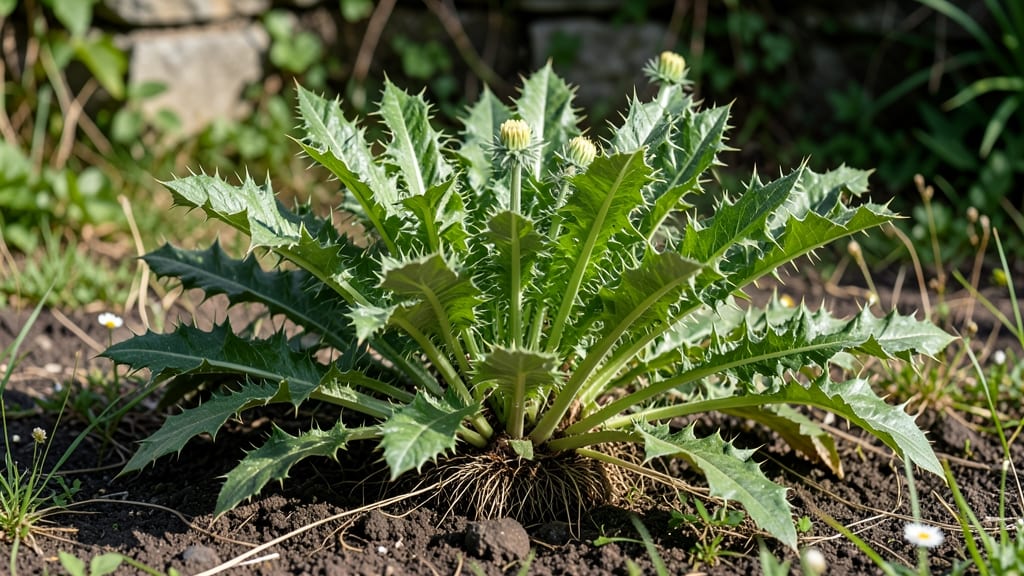
That prickly weed, with its spiky green invader stealing your lettuce's space?
It’s the sneakiest garden thief—and I've finally cracked the code on how to yank it out for good. 🌱 The key isn't brute force but targeting its stubborn roots with the right technique, so it never comes back to haunt your salad greens.
I spent three seasons wrestling with this weed before realizing most removal methods miss the critical step: the root crown. Pulling just the leaves lets it regrow faster than your edible lettuce.
But once you learn to grab that tough, woody base where the leaves meet the soil, the weed gives up without a fight. It's the difference between temporary relief and permanent victory.
You'll see your lettuce plants breathe again within days—no more competition for water or sunlight. The beds stay cleaner longer, and you avoid the heartbreak of watching your homegrown greens get choked out by this persistent pest.
This method works in raised beds, in-ground plots, and even container gardens where space is tight.
The best part? No chemicals, no fancy tools—just your hands and a sharp eye for that telltale spiky growth. Let's get those weeds out for good before they take over your harvest.
📚 In This Guide
- What you need
- Instructions
- Tips and common mistakes
- Wrapping up and next steps
What you need
- ● Garden gloves – Heavy-duty, long-cuffed gloves (e.g., Wolverine or Tough Outdoorsman brands) to protect your hands from prickles and sap.
- ● Weeding tool – A dandelion digger or hori-hori knife (with a 6-8" blade) for precision removal of deep roots.
- ● Garden fork or trowel – A sturdy heavy-duty fork (12-14" length) to loosen stubborn roots in compacted soil.
- ● Bucket or wheelbarrow – A 5-gallon bucket (or larger) to collect debris and prevent reinfestation.
- ● Pruning shears – Sharp, bypass-pruning shears (e.g., Felco F-2) for cutting thick stems at the base.
- ● Vinegar solution – 1 gallon white vinegar (5% acetic acid) mixed with 1 cup salt and 1 tbsp dish soap (for spot treatment).
- ○ Mulch (optional but recommended) – 2-3 inches of straw or wood chips to suppress regrowth.
- ● Choose a dry, sunny day – Wet soil makes weeds slippery and harder to remove.
- ● Work in small sections – Focus on a 5’ x 5’ area at a time to avoid fatigue.
- ● Wear long sleeves and pants – Prickly lettuce weed’s spines can irritate skin!
- ● Check local regulations – Some areas consider it invasive; verify if disposal restrictions apply.
How to remove prickly lettuce weed effectively
This stubborn weed won’t budge with a quick tug—here’s how to pull it out completely.
🌱 Step 1: Identify and Prepare the Work Area
Prickly lettuce weed thrives in disturbed soil, so start by examining the area carefully. Look for its characteristic deep green, jagged leaves and thick, fibrous roots that spread aggressively. This weed often grows in clusters, so mark the entire infected zone with a garden flag or chalk to avoid missing any roots.
Clear the surface of debris and loosen the top 1-2 inches of soil with a hand fork or trowel. This helps expose hidden roots and makes pulling easier. Avoid tilling, as it can spread root fragments and encourage regrowth. I like to work on a dry day when the soil is slightly firm—this gives me better leverage without muddying the area.
✂️ Step 2: Pull the Weed Using the Right Technique
Grab the weed at its base, just above the soil line, using both hands for leverage. A firm, steady pull is key—don’t yank quickly, or you’ll snap the plant and leave roots behind. Prickly lettuce roots can extend 12+ inches deep, so you’ll need to dig if the weed resists. Use a garden fork to pry around stubborn roots until they release completely.
Real talk: You’ll feel frustrated if roots break off. To prevent this, I wet the soil first—moisture helps roots slide out more easily. Once pulled, inspect the roots for any fragments. Even a 1-inch piece can regrow into a new plant, so remove everything you can. For stubborn patches, repeat the process every 3-5 days until the area is clear.
💧 Step 3: Prevent Regrowth With Follow-Up Care
After removing the weed, fill the empty space with 2-3 inches of mulch (like straw or wood chips) to block sunlight and suppress new growth. This also keeps the soil moist, which helps any remaining roots dry out. Water the area lightly to settle the mulch, but avoid overwatering—soggy soil encourages weeds to sprout.
For persistent infestations, apply a corn gluten meal pre-emergent (if allowed in your area) to prevent seeds from germinating. I’ve found that monitoring the area for 4-6 weeks after pulling is critical—new shoots can pop up unexpectedly. If you spot any, repeat the pull method immediately before they establish roots.
Tips & tricks for eradicating prickly lettuce weed
These practical tricks will help you tackle prickly lettuce weed like a pro—without the frustration.
Timing is Everything: The 3-5 day repeat cycle in Step 2 is non-negotiable for stubborn patches. I've found that working on these patches first thing in the morning gives the soil time to dry slightly, making roots easier to extract. If you're dealing with a large area, consider dividing it into sections and tackling one cluster per day to avoid exhaustion.
Tool Upgrade: A garden fork with a serrated edge is my secret weapon for Step 2. The teeth help grip and lift roots without breaking them. If you don't have one, a sturdy hand fork or even a large butter knife can work in a pinch—just be extra careful to avoid cutting yourself on those jagged leaves. For really tough roots, I've had success using a small garden spade to carefully slice around the root ball before pulling.
Mulch Matters: When applying that 2-3 inches of mulch in Step 3, I recommend using a coarse mulch like wood chips rather than fine straw. The larger pieces create better light-blocking barriers and last longer between applications. Plus, they break down more slowly, giving you more time between mulching sessions. Just make sure to keep the mulch at least 2 inches away from plant stems to prevent rot.
Preventative Strategy: After successfully clearing an area, I've found that planting a thick ground cover like clover or creeping thyme can help prevent prickly lettuce from returning. These plants crowd out weeds naturally while adding beauty to your garden. Just be sure to choose varieties that won't compete with your existing plants for nutrients.
Pro Tips for Prickly Lettuce Weed
- These practical tricks will help you tackle prickly lettuce weed like a pro—without the frustration.
- Timing is Everything: The 3-5 day repeat cycle in Step 2 is non-negotiable for stubborn patches.
- Tool Upgrade: A garden fork with a serrated edge is my secret weapon for Step 2.
Frequently asked questions
Is prickly lettuce weed harmful to my garden?
Prickly lettuce weed (Lactuca serriola) isn’t toxic to humans or pets, but it can compete aggressively with your crops for nutrients, water, and sunlight. Left unchecked, it can choke out vegetables like tomatoes, peppers, and leafy greens. Early removal prevents this—think of it as a weed ninja stealing your garden’s spotlight!
When is the best time to pull prickly lettuce weed?
Target it before it seeds (late spring to early summer) to stop its spread. Pulling after rain makes it easier—soaked soil lets weeds slide out with minimal resistance. For stubborn roots, wait until the soil is damp but not muddy. Pro tip: Morning pulls reduce heat stress on you and the weed!
What’s a natural alternative to pulling prickly lettuce weed?
Try mulching with straw or cardboard to block sunlight (weeds hate the dark!). For existing weeds, vinegar spray (1 gallon vinegar + 1 oz dish soap) works—but test on a small area first. Hand-pulling is still the most eco-friendly option, though!
Why does prickly lettuce weed keep coming back?
It’s a perennial (or acts like one) with deep roots. If you don’t remove the entire root, it’ll regrow. Use a dandelion digger or your fingers to twist and tug until resistance stops. For large patches, repeat weekly until gone. Patience pays off—like training a stubborn puppy!
How do I protect my hands from prickles when pulling?
Wear thick gardening gloves (like leather or heavy-duty fabric) to shield against sharp leaves. If pricking through, rinse with soap and water immediately to avoid irritation. For extra safety, pull in sections and dispose of weeds in a sealed bag. No one likes a prickly surprise!
Wrapping up and next steps
Prickly lettuce weed might feel like a stubborn foe, but with the right tools and techniques, you’ve got this! 🌱 Remember, consistency is key—whether you’re pulling, smothering, or preventing regrowth, your garden will thank you. Ready to reclaim your space? Start by tackling one patch at a time, and soon, your yard will be weed-free and thriving.
For extra peace of mind, consider monitoring those tricky spots weekly—especially after rain. And if you’re feeling ambitious, share your success (or ask for tips!) in gardening communities. Happy weeding!