
Pruning
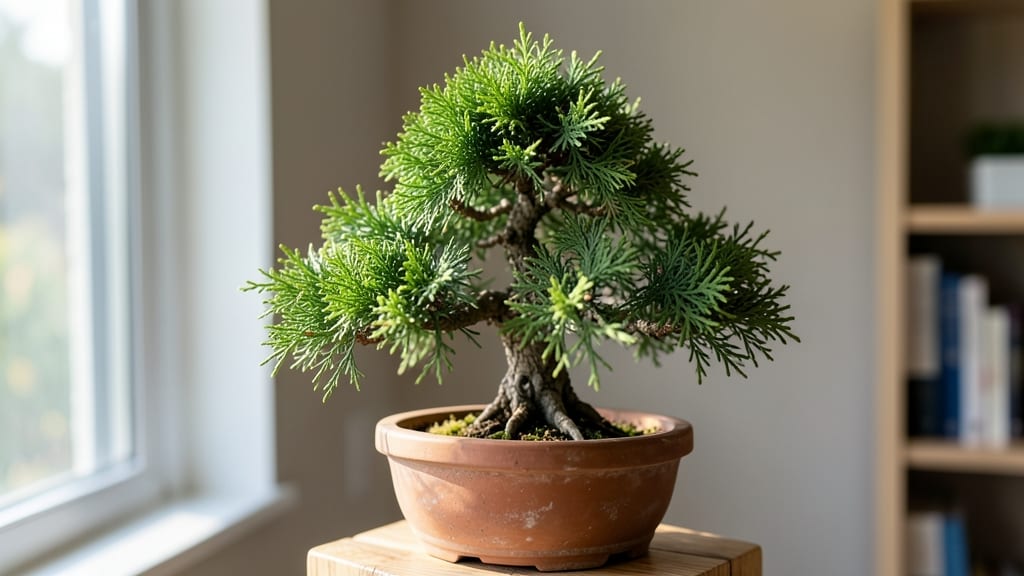
Watering a bonsai juniper correctly keeps its needles vibrant and healthy, but one wrong move can turn them brown in days.
Overwatering is the #1 killer of bonsai junipers—yet many gardeners struggle to balance moisture without risking root rot or needle browning. Mastering the seasonal watering schedule for your juniper bonsai ensures vibrant green needles and long-term health, not guesswork.
Unlike outdoor junipers, bonsai 🌲 thrive on precise moisture control, especially in small pots where soil dries faster. Too much water suffocates roots, while too little causes stress that shows up as dull, crispy needles.
In this guide, I’ll break down the exact watering routine for each season, how to test soil moisture like a pro, and the quick fixes for common mistakes that even experienced growers make.


Seasonal watering schedule for bonsai juniper: spring through winter
Bonsai junipers thrive on precision—not guesswork—when it comes to watering. Unlike outdoor junipers, these miniature trees live in tiny pots where moisture evaporates 3x faster. The key? Adjusting your watering routine monthly to match your juniper's natural dormancy cycles and environmental triggers like temperature swings and humidity shifts.
I've learned the hard way that skipping this seasonal adjustment leads to either root rot or needle browning—both deadly for bonsai health.
Your juniper's needle color is the best moisture meter. Healthy green needles mean you're nailing the balance, while yellowing or purple-tinged needles scream for help. Pair this with a simple soil moisture test: stick your finger 1 inch deep—if it feels dry, water; if damp, wait.
This method saves more junipers than any fancy tool I've tried. Let's break down each season so you can water with confidence, not chaos.
Spring is when your juniper wakes from dormancy, and its water needs spike as new growth demands moisture. Start watering weekly in March, using the soak-and-drain method: place your bonsai in a sink and water until you see excess flow from the drainage holes.
This ensures even moisture distribution without soggy roots. I've found that junipers in clay pots dry out faster than those in plastic—adjust your schedule accordingly.
By May, your juniper will be pushing new growth, and those delicate needle tips are thirsty. Watch for yellowing between veins, which signals overwatering. If you notice this, let the soil dry out completely for 2-3 days before resuming your routine.
Pro tip: group your junipers together to create a microclimate that retains humidity naturally, reducing the need for frequent watering.
Summer brings intense heat and low humidity, forcing you to switch to a shallow watering approach. Instead of deep soaks, water lightly every 3-5 days while placing your bonsai on a humidity tray filled with pebbles and water.
This mimics natural rainfall and prevents needle desiccation. I've had success with a fine mist spray bottle in the morning to keep humidity high—just avoid wetting the foliage after noon to prevent fungal issues.
Autumn signals your juniper's pre-dormancy phase, so cut back to bi-weekly watering. The goal is to gradually reduce moisture as the tree prepares for winter. Test soil moisture by sticking your finger 2 inches deep—if it's dry, water thoroughly; if damp, wait.
This is also the time to flush the soil with water to remove accumulated salts from fertilizers, which can burn roots during dormancy.
Winter care is all about minimal intervention. Your juniper enters dormancy, and its water needs drop dramatically. Only water when the soil shows visible cracks or feels bone-dry 2 inches down.
I've kept junipers alive for months without watering by placing them in a cool, shaded spot (like a garage) where temperatures stay between 40-50°F. If indoors, avoid heating vents that dry out the air.
One mistake I see often is ignoring humidity in winter. Indoor heating sucks moisture from the air, so place your juniper on a gravel tray with water to add ambient humidity. Just ensure the pot isn't sitting in standing water—this can lead to root rot even in winter.
For outdoor junipers, move them to a protected location like a porch or under an eave to shield from wind and freezing rain.
To troubleshoot, always check the soil first. If your juniper's needles turn purple or brown, it's either underwatered or sunburned. For yellowing needles, overwatering is the culprit. The fix?
Adjust your schedule immediately and repot if the soil is compacted. I've revived many junipers by reducing water by 50% and moving them to indirect light for 2 weeks while they recover.
Mastering this schedule takes patience, but the reward is a vibrant, healthy bonsai juniper year-round. Start with the monthly guide above, then fine-tune based on your local climate. Your juniper will thank you with glossy green needles
Common watering mistakes that harm bonsai juniper needles (and how to fix them)
Even experienced bonsai growers sometimes make critical watering errors that turn vibrant juniper needles brown or yellow. The most common mistakes—overwatering, underwatering, and seasonal neglect—often go unnoticed until damage appears.
I’ve seen root rot spread within weeks from just one overwatered pot, while others let their junipers dry out completely, causing irreversible needle loss.
Your juniper bonsai’s water needs change dramatically with seasonal shifts, humidity levels, and even the size of your pot.
For example, a young juniper in a 6-inch pot may need watering every 5-7 days in summer, while a mature tree in a 12-inch container might only require water every 10-14 days. The key is learning to read your tree’s signals before symptoms appear.
🌱 EMERGENCY WATERING ALERT
If your juniper’s needles turn brown at the tips or yellow patches appear, act fast! Root rot or drought stress can kill your tree in 2-3 weeks if untreated. Stop watering immediately, remove the tree from its pot, and inspect the roots. Healthy roots are white or tan—anything dark or mushy means root rot.
Let’s start with the #1 mistake: overwatering. Many gardeners assume junipers need constant moisture, but these drought-tolerant plants actually prefer their soil to dry out slightly between waterings. A telltale sign of overwatering is yellowing needles that eventually turn brown and crispy at the edges.
If you press the soil and it feels soggy or smells like wet dirt, your juniper is drowning.
To fix overwatering, repot your juniper into a container with better drainage—use a mix of akadama, pumice, and lava rock for optimal airflow. After repotting, water lightly only when the top 1/3 of soil feels dry.
Place your tree in a bright, shaded spot (avoid direct sun) for 1-2 weeks to help it recover. For severe cases, trim any dead branches with clean, sharp bonsai shears.
On the opposite end, underwatering causes needle drop and a grayish-green hue. Unlike overwatering, which shows up quickly, underwatering damage can take weeks to appear.
Your juniper might look fine for days, but by the time you notice drooping branches or dry, brittle needles, the roots may already be shriveled. To prevent this, water deeply until it drains from the bottom, then wait until the soil is 50-60% dry before watering again.
Another critical mistake is ignoring seasonal changes. In summer, your juniper may need daily misting to maintain humidity, while in winter, it might only require water every 3-4 weeks.
During dormancy, reduce watering by 70%—overwatering in winter can lead to fungal infections like needle blight. Always check the soil with your finger before watering; if it’s still damp 1 inch below the surface, wait another day.
Finally, poor drainage is a silent killer. If your pot lacks drainage holes or your soil mix is too dense, water pools at the bottom, suffocating the roots. Test your setup by filling the pot with water—if it doesn’t drain within 10-15 minutes, your juniper is at risk.
Fix this by drilling drainage holes in the bottom of the pot and using a well-aerated soil mix. For emergency recovery, soak the roots in a 1:10 hydrogen peroxide solution (3% peroxide) for 10 minutes to kill pathogens, then repot with fresh soil.