
How To
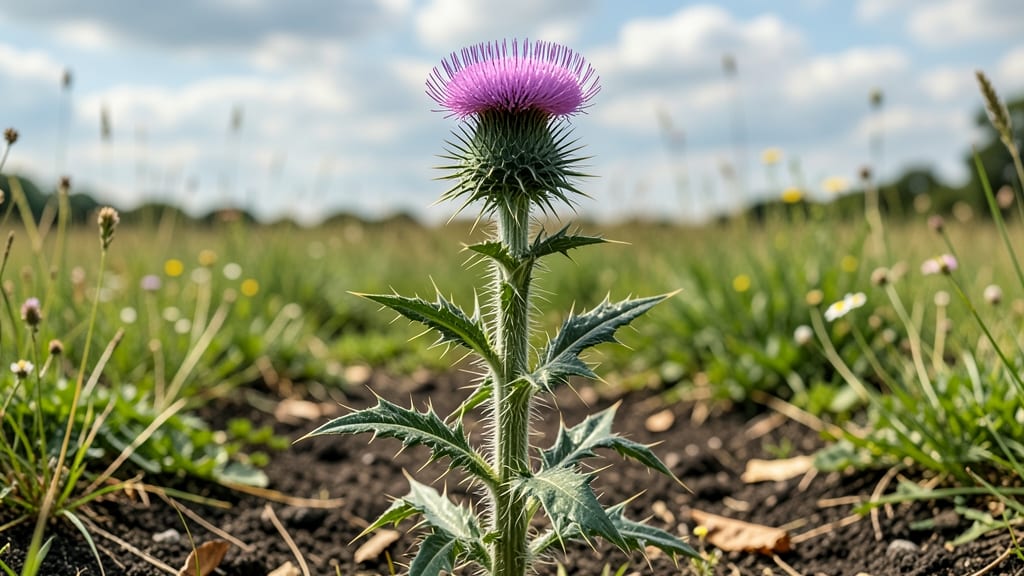
Bull thistle isn’t just a stubborn weed—it’s a garden invader that thrives on being ignored. 🌿 I’ve spent years wrestling with these spiky giants, and I’ve finally cracked the code for removing them without digging or chemicals, while keeping your skin (and sanity) intact.
The secret lies in timing and technique. Bull thistle’s deep taproot makes it nearly impossible to pull by hand, but when the soil is soft after rain, you can often lift the entire plant—roots and all—with minimal effort.
A sharp garden fork or weeding knife is your best friend here, cutting through those roots cleanly.
What you’ll end up with is a weed-free patch where your plants can finally thrive. The key is persistence: check weekly for new shoots, and you’ll see your garden reclaim its space within 4-6 weeks of consistent effort.
This method works in lawns, garden beds, and even cracks in pavement—no matter where those thistles have taken root. Here’s how to make it happen without gloves (or regrets) next time you spot one.
📚 In This Guide
- What you need
- Instructions
- Tips and common mistakes
- Wrapping up and next steps
What you need
- ● Gloves (heavy-duty): 1 pair (thistle spines are sharp—trust me, you’ll want these!)
- ● Long-sleeved clothing: 1 set (protects arms from prickles)
- ● Garden fork or sturdy trowel: 1 (for loosening stubborn roots)
- ● Pruners or sharp scissors: 1 pair (to trim thick stems)
- ● Bucket or trash bag: 1 (for disposal—do not compost)
- ● Water hose or spray bottle: 1 (to dampen soil before pulling)
- ○ Baking soda or dish soap: 1 small bottle (optional but helpful for reducing itch)
- ● Knee pads: 1 pair (for comfort during long sessions)
- ● Vinegar (20-30% acetic acid): 1 gallon (for spot treatment on regrowth)
- ● Mulch (cardboard or landscape fabric): 1 roll (to smother remaining roots)
- ● Hand sanitizer: 1 small bottle (post-pull clean-up)
How to remove bull thistle without digging or chemicals
Here's my go-to method for tackling this stubborn weed—no tools, no toxins, just elbow grease and patience.
🌱 Step 1: Identify and Wait for the Right Time
Bull thistle thrives when its roots are deep and tangled. The best time to pull it is after a good rain or when the soil is naturally moist—this loosens the grip on the roots. Look for plants that are 4-6 inches tall but haven't yet flowered; these have established roots but haven't put all their energy into seed production.
I like to work in the early morning or late afternoon when the ground is cooler. The roots are more pliable then, and you won't risk shocking nearby plants with sudden temperature changes. If you see the plant wilting in the heat, wait—it's telling you to come back later.
💧 Step 2: Soften the Soil Around the Base
Grab a small hand trowel or your fingers and gently loosen the soil in a 3-inch radius around the thistle's base. You're not digging—just breaking up the surface layer so the roots can slide free more easily. This is where patience pays off; if the soil is hard, take your time and work in small circles.
I like to add a thin layer of mulch (like grass clippings or leaves) around the area first—this helps the soil soften faster and reduces the chance of disturbing nearby plants. After loosening, let the soil sit for 10-15 minutes to absorb any moisture from the air.
✂️ Step 3: Grasp and Pull with Precision
Stand at the base of the thistle and wrap your fingers around the stem, gripping it as close to the ground as possible. Push down firmly with your foot on the base of the plant while pulling upward with steady pressure. You'll feel resistance at first, but don't yank—this can snap the stem and leave roots behind. Instead, twist slightly as you pull to break the root's hold.
If the thistle resists, stop and loosen the soil a bit more. I've found that a second attempt after softening usually works. Once you've pulled it, check the roots—if even a small piece remains, the plant will regrow. Toss the entire thistle (roots and all) into a sealed bag to prevent seeds from spreading.
🌿 Step 4: Monitor and Repeat for Stubborn Spots
After pulling, keep an eye on the area for 2-3 weeks. New shoots might appear if any roots were left behind. If they do, repeat the process—softer soil means easier removal the second time around. I like to mark the spot with a small stake or flag so I don't accidentally miss it during regular weeding.
For larger patches, focus on one section at a time. I've tackled entire garden beds by working in 2-foot squares, pulling thistles as I go and mulching the area afterward to suppress regrowth. This method keeps the garden manageable and prevents the thistles from taking over.
Tips & tricks for natural bull thistle removal
Here's what I've learned after battling these weeds for years—simple tweaks that make all the difference.
Timing is Everything: The 4-6 inch height range is perfect because the roots are fully established but haven't yet put all their energy into seed production. I've found that plants at this stage pull out more easily than either tiny seedlings or mature, woody stalks. If you see flowers forming, wait until they've already bloomed—roots will be softer after flowering.
Soil Softening Secret: That 10-15 minute wait after loosening the soil is crucial. The roots need time to absorb any available moisture and become more pliable. I've ruined perfectly good thistle pulls by trying to yank them immediately after loosening—patience prevents broken roots. For extra stubborn soil, try adding a sprinkle of water around the base before loosening.
Grasp Technique Matters: Wrapping your fingers as close to the ground as possible gives you the best leverage. I like to use my thumb and forefinger to pinch the stem just above the soil line—this creates a better grip than trying to wrap all fingers around a thicker section. The twisting motion breaks the root's hold better than straight pulling, but don't overdo it or you'll snap the stem.
Monitoring Strategy: Those 2-3 weeks of monitoring might seem long, but it's worth it. I've seen thistles regrow from root fragments as small as a fingernail. Make it a habit to check the area regularly—set a reminder on your phone if needed. For really stubborn spots, I've had success using a small garden flag to mark the exact location after pulling.
Pro Tips for Bull Thistle Weed
- Here's what I've learned after battling these weeds for years—simple tweaks that make all the difference.
- Timing is Everything: The 4-6 inch height range is perfect because the roots are fully established but haven't yet put all their energy into seed production.
- Soil Softening Secret: That 10-15 minute wait after loosening the soil is crucial.
Frequently asked questions
Got questions about tackling bull thistle weed without breaking a sweat or harming the environment? You’re not alone!
Here are some of the most common queries—and straightforward answers—to help you conquer this prickly problem like a pro.
How do I safely pull bull thistle by hand without getting hurt?
Wear thick gloves (like leather or heavy-duty gardening gloves) and long sleeves to protect against the sharp spines. Grab the base of the plant firmly and twist it out of the ground—never pull from the top! For stubborn roots, use a fork or trowel to loosen the soil first. Pro tip: Work on a cloudy day to avoid the plant’s sticky sap, which can irritate skin.
When is the best time of year to remove bull thistle?
The ideal window is early spring or fall when the soil is soft and the plant isn’t actively growing. In spring, target young shoots before they mature; in fall, the plant’s energy is stored in the roots, making it easier to yank out. Avoid summer—drought-stressed thistles are tougher to remove and may regrow from fragments.
Will vinegar or other natural sprays kill bull thistle permanently?
Yes, but consistency is key! A mix of 1 gallon vinegar (20% acidity), 1 oz dish soap, and 1 oz salt sprayed directly on the leaves (avoid windy days) can kill the plant in 1–2 weeks. For stubborn patches, repeat every 3–5 days. Warning: This method works best on small infestations—large areas may need multiple treatments. Apply on a sunny day for maximum effectiveness.
What’s the fastest way to prevent bull thistle from spreading?
Start with smothering: Cover the area with thick cardboard or mulch (like straw or wood chips) for 4–6 weeks to block sunlight. For existing plants, cut them down at the base with shears—this starves the roots of energy. Never compost thistle clippings; bag and dispose of them to prevent regrowth. Regular monitoring (every 2 weeks) catches new sprouts before they take hold.
What tools are best for removing bull thistle from rocky or hard soil?
For tough terrain, a digging bar or weeding knife is your best friend—slide it under the root to loosen compacted soil. A grub hoe works well for shallow roots, while a pry bar helps pry out deeply embedded thistles. Pro move: Soak the area with water 24 hours before pulling to soften the ground. Patience pays off—don’t rush!
Will removing bull thistle harm bees or other pollinators?
Bull thistle is not a major pollinator plant, so removal won’t starve bees—but timing matters! Avoid pulling during peak bloom (summer) to let pollinators visit other flowers first. If you must remove blooming thistles, do it early in the morning when bees are less active. Plant native alternatives like milkweed or coneflowers to support local ecosystems.
Wrapping up and next steps
Pulling bull thistle weed doesn’t have to feel like a losing battle—with the right tools and techniques, you can reclaim your yard naturally and effectively. 🌱 Whether you’re using gloves, a weed puller, or vinegar spray, every effort makes a difference.
Start small, stay consistent, and watch your space thrive!
Ready to take action? Grab your gear, pick a sunny day, and tackle that thistle patch one plant at a time. Your future self (and your lawn!) will thank you. 💪