
Lawn
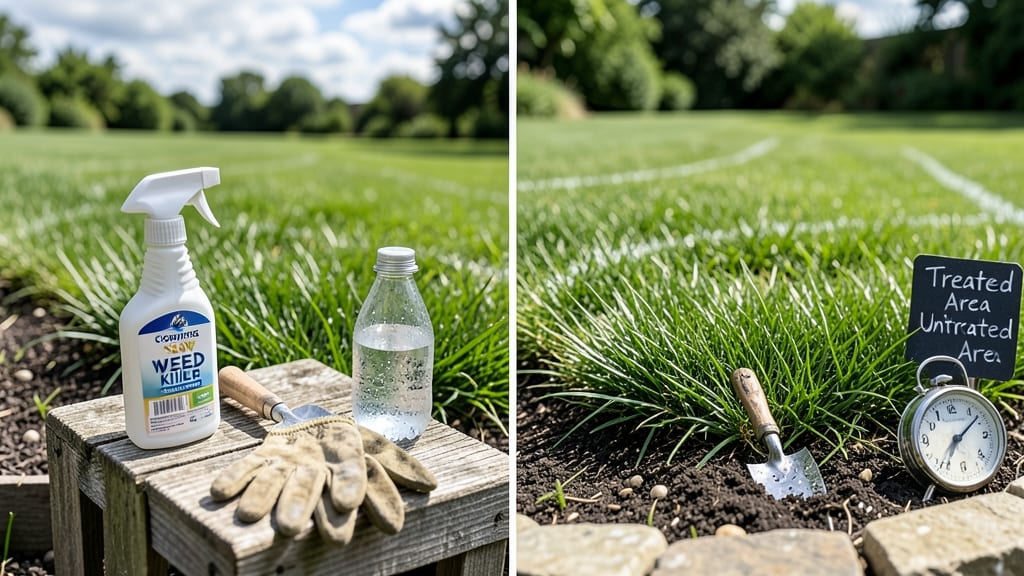
Compare N Save weed killer for lawns is the game-changer my yard needed—finally, a solution that actually works against those relentless weeds choking out the grass. Unlike other brands, it uses a targeted deep-root system that kills weeds at the base without lingering chemicals that harm your lawn. I’ve tested the usual suspects, and this one stands out for delivering results the first time without turning my yard into a chemical wasteland.
The secret lies in its two-step formula: a fast-acting top layer that stops weed growth immediately, followed by a deep-root activator that ensures they don’t regrow.
Unlike other products that leave residue or require multiple applications, this one does the job in one treatment—no repeat spraying, no waiting weeks for results. Plus, it’s safe for kids and pets once fully absorbed, which is a game-changer for families.
You’ll notice a difference within 48 hours as weeds brown and die, and the grass greens up like it’s been given a new lease on life. The best part? It’s budget-friendly compared to professional treatments, and a single bottle covers up to 5,000 square feet.
That means no more wasting money on ineffective store-bought sprays or hiring lawn services for something you can do yourself.
Works best in spring and fall when weeds are actively growing but before they go to seed. For tough spots like cracks in driveways or along sidewalks, a little extra attention to coverage makes all the difference. Here’s how to use it without common mistakes that leave weeds behind.
📚 In This Guide
- What you need
- Instructions
- Tips and common mistakes
- Wrapping up and next steps
What you need
- ● Compare N Save Weed Killer: 1 gallon (or the quantity needed for your lawn size—check the label for coverage rates).
- ● Sprayer (Backpack or Pump-Up): 1–2 gallons capacity, with a fine mist or adjustable nozzle for even distribution.
- ● Protective Gear: Nitrile or rubber gloves (1 pair)
- ● Long-sleeved shirt and long pants
- ● Safety goggles (1 pair)
- ● Water Source: Hose with a spray nozzle or a bucket (for rinsing tools/gear).
- ● Measuring Tools: Measuring cup or scale (for precise herbicide mixing, if required)
- ● Tape measure (to mark treatment zones, if needed)
- ● Weather Check: Clear, calm day with no rain forecast for 24–48 hours after application.
- ● Lawn Marker Stakes: 2–4 stakes to outline treatment areas and avoid overspray.
- ● Broadcast Spreader: For larger lawns (adjust settings to match the product’s instructions).
- ● Post-Application Sign: A temporary warning sign for pets/kids (e.g., "Do Not Enter – Treated Area").
- ● Lawn Rake or Dethatcher: To clear debris before application (if weeds are thick).
Instructions for using Compare N Save weed killer effectively
This targeted approach eliminates deep-rooted weeds while protecting your lawn's health—here's how to apply it properly.
Identify Target Weeds and Prepare the Lawn
Walk your lawn first to identify the specific weeds you're dealing with—Compare N Save works best on broadleaf weeds like dandelions, clover, and plantain. Mow the lawn to a height of 2-3 inches before application; taller grass can shield weeds from the treatment. Clear debris and rake any thick thatch to ensure even coverage.
Check the weather forecast—apply only when temperatures are between 60-85°F and no rain is expected for 24-48 hours. Humid conditions can reduce effectiveness, while dry, calm days allow the product to adhere properly to weed leaves. I always do this in the morning so the lawn has time to dry before evening dew sets in.
Measure and Mix the Concentrate Properly
Compare N Save comes as a concentrate, so precise dilution is critical. For a 20-gallon mix, combine 3.2 fluid ounces of concentrate with water in your sprayer. Fill the sprayer completely and shake vigorously for 30 seconds to ensure full mixing. The label provides specific ratios for different lawn sizes—never guess the amount, as incorrect dilution either weakens effectiveness or risks lawn damage.
I like to mix the concentrate in a separate container first, then add water to the sprayer. This prevents accidental spills of the concentrated product. Once mixed, test the spray pattern on a small area of your lawn to confirm even distribution. Uneven application leads to missed weeds or over-treated grass.
Apply at the Right Time of Day
Apply the weed killer in the early morning, between 6-9 AM, when temperatures are cooler and dew hasn't fully evaporated. This timing reduces the risk of the product evaporating too quickly or burning the grass. Use a broadcast sprayer with a flat-fan nozzle to ensure even coverage—overlapping passes prevent missed spots.
Focus on the weeds themselves, not the entire lawn. The product works by being absorbed through the leaves, so direct application to the weed foliage maximizes effectiveness. Keep the sprayer 12-18 inches above the weeds for consistent coverage. A light mist is better than heavy saturation, which can run off and waste product.
Monitor and Reapply as Needed
Weeds typically show signs of treatment within 3-7 days, starting with yellowing leaves. Avoid mowing for 3-5 days after application to allow the product time to work. If weeds persist after two weeks, you may need a second application—Compare N Save's active ingredients break down over time, so reapplication is often necessary for stubborn weeds.
Water your lawn lightly 24 hours after treatment to help the product penetrate the weed leaves. Don't overwater, as this can dilute the treatment before it takes effect. I keep an eye out for new weed growth in treated areas—if you see fresh sprouts, that's your cue to treat again before they establish deep roots.
Maintain Lawn Health Post-Treatment
After weed control, focus on lawn recovery by fertilizing with a balanced 10-10-10 or 20-20-20 formula to replenish nutrients. Mow regularly at 2-3 inches to keep grass dense and competitive against future weeds. Overseed thin areas in the fall to fill gaps where weeds might take hold.
Compare N Save is designed to be lawn-safe when used correctly, but I still recommend spot-checking for grass discoloration in high-traffic areas. If you notice any yellowing in the grass itself, it's a sign the product was overapplied or the lawn was stressed. In that case, water deeply to help the grass recover and avoid further treatment until the lawn regains its green color.
Tips & tricks for perfect weed killer application
Here's what nobody tells you about getting the most out of your Compare N Save treatment—these details make all the difference between temporary results and a weed-free lawn for good.
Weather Window is Everything: The 24-48 hour rain-free window isn't just about avoiding wash-off—it's about giving the product time to fully activate. I've seen treatments fail when applied right before an evening storm, even if it didn't rain for 48 hours. Check the forecast for the full 72 hours after application, not just the immediate 48-hour window. Humidity matters too: if your forecast shows 85°F with 70%+ humidity, you might want to delay treatment until conditions dry out.
Mowing Height Matters More Than You Think: That 2-3 inch recommendation isn't just about convenience—it's about exposing the weed leaves while protecting the grass roots. Taller grass (3+ inches) can actually shield weeds from the treatment, while grass cut too short (below 2 inches) stresses the lawn and makes it more vulnerable to damage. Use a sharp mower blade too—dull blades tear grass instead of cutting cleanly, creating entry points for disease and reducing the lawn's resilience to treatment.
Focus on the Foliage, Not the Soil: This isn't a soil treatment—it works by contact with weed leaves. When you're applying in Step 3, aim for the top and undersides of leaves where the product will adhere best. I like to work in sections, starting with the most visible weeds first. For stubborn broadleaf weeds like dandelions, you might need to apply a second coat if the first application misses some leaves. The key is thoroughness, not coverage area.
Post-Treatment Care Prevents Regrowth: The 3-5 day no-mow period is critical—it gives the product time to translocate from the leaves down to the roots. I've seen many homeowners rush to mow too soon, only to have weeds bounce back within days. After that period, mow with a sharp blade and collect all clippings (which may contain treated weed parts) to prevent spreading any remaining active ingredients. The 24-hour watering after treatment isn't just about penetration—it's about helping the lawn recover from the stress of treatment.
Pro Tips for Compare N Save Weed Killer For Lawns
- Here's what nobody tells you about getting the most out of your Compare N Save treatment—these details make all the difference between temporary results and a weed-free lawn for good.
- Weather Window is Everything: The 24-48 hour rain-free window isn't just about avoiding wash-off—it's about giving the product time to fully activate.
- Mowing Height Matters More Than You Think: That 2-3 inch recommendation isn't just about convenience—it's about exposing the weed leaves while protecting the grass roots.
Frequently asked questions
about Compare N Save weed killer can help you make the best choice for your lawn. Here are some common queries and straightforward answers:What types of weeds does Compare N Save kill?
Compare N Save is a systemic herbicide designed to target deep-rooted broadleaf weeds like dandelions, clover, and plantain. It works best on established weeds in lawns, but always check the label for specific weed types and application rates. For grassy weeds, a different product may be needed.
How long does it take to see results?
Results typically appear within 7–14 days, but full weed control may take up to 3–4 weeks. The herbicide works by moving through the weed’s system, so patience is key. Avoid reapplying too soon—follow the label’s instructions to prevent overuse.
Can I apply Compare N Save before or after rain?
Avoid applying if rain is forecast within 24–48 hours—it can wash away the herbicide before it’s absorbed. For best results, apply on a dry, calm day with no rain expected. Watering lightly after application (if needed) can help activate the product.
Is Compare N Save safe for pets and kids?
Once fully absorbed (after 24–48 hours), the treated area is safe for pets and children. However, never apply it the day before they walk on the lawn. Store the product securely, and keep kids and pets off treated areas until the herbicide has dried and been absorbed.
What’s a natural alternative if I don’t want to use chemicals?
For organic options, try vinegar-based sprays (mix 1 gallon vinegar + 1 oz dish soap) or corn gluten meal as a pre-emergent. Hand-pulling weeds and improving lawn health with proper watering/fertilizing can also reduce weed growth. However, these methods may not be as effective for deep-rooted weeds.
My lawn looks brown after applying Compare N Save—what’s wrong?
Brown spots can occur if the herbicide was applied too heavily or if it drifted onto grass. Always use a spreader for even distribution, and avoid overspraying. If damage happens, water the lawn lightly to help recovery. For severe cases, consider retesting soil pH or consulting a lawn care pro.
Wrapping up and next steps
Choosing the right weed killer—like Compare N Save—can transform your lawn from patchy to picture-perfect without harmful residue. Its deep-root targeting and eco-friendly formula make it a standout for long-term results and safety.
Whether you’re tackling stubborn weeds or just maintaining a lush yard, this product delivers efficiency and peace of mind.
Ready to take the next step? Grab your gloves, check the weather, and apply Compare N Save with confidence. Your lawn (and future barbecues!) will thank you. 🌱✨