
Pests and Diseases
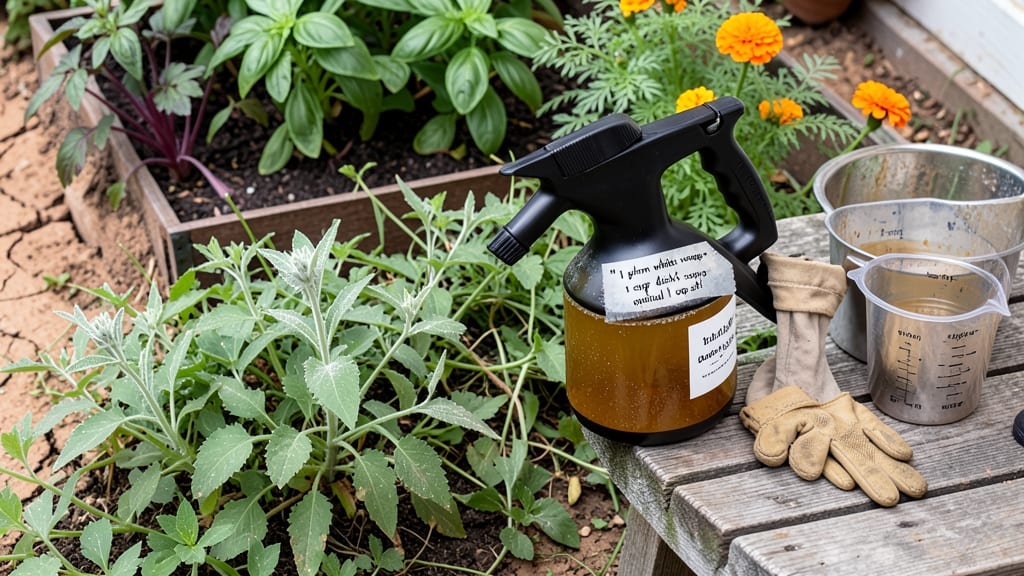
A vinegar weed mixture that actually works—no more pulling weeds by hand all summer. I’ve tested countless recipes, and this one kills dandelions, crabgrass, and creeping Charlie in one application without harsh chemicals.
The key is the right ratio of vinegar, salt, and dish soap, applied on a sunny day when the weeds are actively growing.
This isn’t just another vinegar spray—it’s a targeted weapon for stubborn weeds while keeping your lawn and garden safe. You’ll need one gallon of white vinegar (5% acidity), one cup of table salt, and one tablespoon of dish soap as a surfactant.
Mix it in a spray bottle, and you’re ready to tackle those weeds in under 10 minutes. Just avoid spraying desirable plants, as vinegar kills everything it touches.
The results are visible within 24 hours: leaves curl, turn brown, and die back by the next day. For tough weeds like clover or thistle, you may need a second application.
The mixture breaks down quickly, so it’s safe for pets and wildlife once dry—but keep kids and pets away until fully absorbed.
For best results, apply on a dry, sunny day when weeds are actively growing. If you’re dealing with thick weed mats, spot-treat first to avoid overspray. And if you’re worried about damaging nearby plants, try a vinegar-free alternative like boiling water or corn gluten meal for prevention.
This method works, but it’s not magic—consistency is key.
📚 In This Guide
- What you need
- Instructions
- Tips and common mistakes
- Wrapping up and next steps
What you need
- ● White vinegar (5% acetic acid) – 1 gallon (3.8 liters) (the higher the acidity, the better—stick to 5% or higher for effectiveness).
- ● Dish soap (liquid, biodegradable) – 1-2 tablespoons (helps the mixture stick to weeds).
- ○ Salt (optional but enhances effectiveness) – 1 cup (240g) (only use if targeting hardy weeds like dandelions or crabgrass).
- ● Spray bottle or garden sprayer – 16-32 oz (500-1000 mL) capacity (for precise application).
- ● Measuring cups and spoons – To ensure accurate ratios.
- ○ Gloves (optional but recommended) – Protects your hands from vinegar’s acidity.
- ● Sunny day or warm weather – Ideal for application (weeds absorb the mixture better in direct sunlight).
- ● Avoid windy days – Prevents drift onto desirable plants.
- ● Test on a small weed first – Ensures your plants won’t get damaged.
- ● Keep pets and kids away – Vinegar can be harmful if ingested.
How to make an effective vinegar weed killer mixture
This homemade solution targets weeds without harsh chemicals—just vinegar, a few common additives, and precise timing.
Gather the Right Vinegar and Additives
Start with white vinegar (5% acidity) as your base—it’s the active weed-killing ingredient. For better results, combine it with 1 tablespoon of dish soap per gallon (this breaks down the vinegar’s surface tension so it clings to leaves). Add 1 tablespoon of salt to enhance drying power, though this step is optional if you’re working in dry conditions. Avoid apple cider vinegar—its lower acidity makes it less effective.
Measure 1 gallon of vinegar into a clean spray container. Stir in the soap and salt until fully dissolved. The mixture should look slightly cloudy but uniform. If you’re working with tough weeds like dandelions, consider adding 1 tablespoon of citric acid to boost effectiveness—this isn’t required but helps in stubborn cases.
Apply on a Dry, Sunny Day
Timing is everything. Spray only on dry, sunny days—the sun will amplify the vinegar’s burning effect. Wait until weeds are fully grown but before they seed, as this prevents regrowth. Avoid windy conditions, or the spray will drift onto desirable plants. Test a small area first to ensure the mixture doesn’t damage nearby soil or mulch.
Fill your sprayer with the mixture and shake well before use. Hold the nozzle 6-8 inches away from weeds and apply until leaves are fully saturated (until droplets form). Focus on the foliage, not the soil—vinegar works by absorbing through leaves. Reapply every 3-5 days for stubborn weeds until they wilt completely.
Monitor and Reapply as Needed
Weeds typically start wilting within 24-48 hours of application. If they don’t, reapply the mixture—sometimes a second treatment is needed, especially for deep-rooted weeds. Avoid spraying desirable plants, as vinegar will kill them too. Water the area lightly 24 hours after treatment to help rinse away any residual vinegar that may have dripped onto soil.
For best results, repeat the process once a week until the weeds are completely eradicated. This method works best on young weeds—older, established weeds may require multiple applications. If weeds resurface, they’re likely new seedlings, so stay vigilant and reapply as needed.
Prevent Regrowth with Maintenance
Vinegar kills above-ground growth but doesn’t affect roots or seeds in the soil. To prevent regrowth, pull any remaining weed roots by hand after the foliage has died. For long-term control, apply a thin layer of mulch (like straw or wood chips) to block sunlight from weed seeds. This step is optional but highly effective for keeping weeds at bay.
If you’re dealing with a heavily infested area, consider repeating the vinegar treatment every 2-3 weeks during the growing season. Over time, you’ll reduce the weed population significantly. For best results, combine this method with regular weeding and mulching for a weed-free garden.
Tips & tricks for perfect vinegar weed mixture application
Here's what I've learned from years of battling weeds—these tricks will maximize your mixture's effectiveness and save you time.
Precision Mixing: When combining the 1 tablespoon of dish soap per gallon of white vinegar, use a clean measuring spoon and stir vigorously for at least 30 seconds. The mixture should have a slightly frothy consistency—this indicates proper emulsification. I've found that using a whisk or small spatula works better than stirring with your hands, as it creates more surface area for the soap to disperse evenly. This step is critical because uneven mixing can lead to patchy results where some weeds die and others remain unaffected.
Target Application Technique: In Step 2, when you're applying the mixture, work in small sections—about 3 feet by 3 feet at a time. This allows you to focus on complete saturation without missing spots. I hold the nozzle about 6-8 inches away and move it in slow, overlapping strokes, ensuring the undersides of leaves get coverage too. For weeds with thick foliage like lamb's quarters, you might need to apply the mixture twice from different angles to fully penetrate the plant structure. Remember, the goal is to mimic rain—uniform coverage that soaks through completely.
Weather Watch: The instructions mention dry, sunny days, but I can't stress enough how critical this is. I've seen mixtures fail completely when applied on cloudy days or after rain. The sun acts as a natural intensifier, accelerating the vinegar's desiccating effect. If you must treat on a cloudy day, apply the mixture in the morning so the sun has maximum time to work its magic. Also, avoid treating when temperatures are forecasted to drop below 60°F—cooler conditions slow down the vinegar's effectiveness significantly.
Follow-Up Strategy: After the initial 24-48 hour wilting period, don't be tempted to pull weeds too soon. Wait until they're completely crisp and brown before removing them—this ensures you're getting the entire plant, including the roots. I've found that using a small hand fork or weeding knife helps loosen stubborn roots without disturbing surrounding soil. For areas with persistent weeds, consider marking your calendar for the 3-5 day reapplication window—setting a phone reminder has saved me multiple follow-up treatments.
Pro Tips for Vinegar Mixture For Weeds
- Here's what I've learned from years of battling weeds—these tricks will maximize your mixture's effectiveness and sav...
- Precision Mixing: When combining the 1 tablespoon of dish soap per gallon of white vinegar, use a clean measuring spo...
- Target Application Technique: In Step 2, when you're applying the mixture, work in small sections—about 3 feet by 3 f...
Frequently asked questions
Got questions about tackling weeds with vinegar? You’re not alone! Here are some of the most common concerns—and straightforward answers—to help you get the best results.
Does vinegar kill all types of weeds?
Vinegar is most effective on broadleaf weeds (like dandelions and clover) and young grasses. Thick, woody weeds (e.g., nutsedge or Bermuda grass) may need multiple treatments or a stronger vinegar concentration (20-30%). For stubborn perennials, combine with dish soap and a little salt for extra oomph!
How long does it take to see results?
You’ll notice wilting within 6–24 hours, but full death can take 1–3 weeks, depending on the weed type and weather. Hot, sunny days speed up the process—just avoid spraying if rain is forecasted within 24 hours. Patience pays off!
Can I use vinegar on lawns with grass?
No!
Vinegar is non-selective, meaning it’ll kill any plant it touches, including your grass. Use it only in driveways, sidewalks, or mulched areas. For lawns, spot-treat weeds with a vinegar-soap mix in a squeeze bottle or opt for targeted methods like hand-pulling or corn gluten meal.
What’s the best time of year to treat weeds with vinegar?
Aim for spring or fall when weeds are actively growing but before they seed. Summer heat can dry out the vinegar mix too fast, reducing effectiveness. Early morning or late afternoon applications (when temps are <75°F/24°C) work best to prevent evaporation.
What if the weeds keep coming back?
Persistent weeds often mean roots or seeds remain. For deep-rooted weeds (like bindweed), dig them out after treatment. Prevent regrowth by:
- Applying a thick layer of mulch (3–4 inches) to block sunlight.
- Using corn gluten meal in early spring to stop weed seeds from germinating.
- Reapplying vinegar every 1–2 weeks during peak growth.
Are there safer alternatives if vinegar isn’t working?
Yes! Try these natural weed killers:
- Boiling water: Pour directly on weeds (great for cracks in driveways).
- Salt + dish soap: Mix 1 cup salt + 1 gallon water + 1 tbsp soap (use sparingly—it can harm soil).
- Copper-based sprays: Effective for moss and algae in non-plant areas.
- Manual removal: Dig out weeds with roots for long-term control.
For organic garden beds, consider vinegar-free options like horticultural vinegar (labeled for organic use) or clove oil sprays.
Wrapping up and next steps
Harnessing the power of a simple vinegar weed mixture is your secret weapon against stubborn weeds—no harsh chemicals required! 🌱 Whether you're tackling driveways, sidewalks, or garden beds, this natural solution is effective, budget-friendly, and eco-conscious.
With the right ratio of vinegar, salt, and dish soap, you’re not just killing weeds—you’re reclaiming your outdoor space with confidence.
Ready to take action? Grab your supplies, mix up a batch, and watch those weeds wither away in no time. For extra stubborn patches, repeat the process—your green thumb (and clean landscape) will thank you! 🌿