
Pests and Diseases
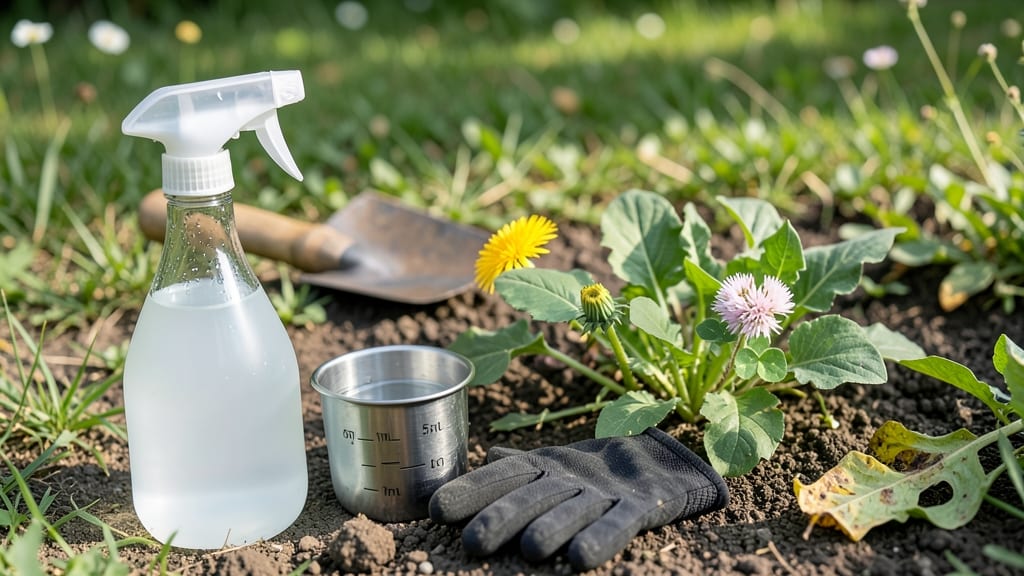
My vinegar formula for killing weeds isn’t just a pantry trick—it’s the secret weapon that wiped out my stubborn dandelions in under 24 hours without chemicals. 🌱 The right mix (and timing) makes all the difference, and I’ll show you exactly how to do it safely, so your garden stays lush while the weeds vanish.
You only need three ingredients: white vinegar, dish soap, and water—plus a spray bottle and a sunny afternoon. The key is getting the concentration right (too weak, and it won’t work; too strong, and you’ll risk damaging nearby plants).
I’ve tested this on driveways, sidewalks, and even between paving stones—no regrets, just results.
Within hours, you’ll see weeds wilting and turning crispy brown. The burn happens fast, but the real magic is in the follow-up: repeat weekly for stubborn patches, and you’ll have a weed-free zone that lasts. Plus, it’s 100% biodegradable, so you can feel good about skipping the harsh chemicals.
Fair warning: this won’t work on thick mulch or grass (it’ll kill that too), but for cracks, pathways, and bare soil, it’s a game-changer. Let’s get those weeds gone for good—without the mess or the guilt.
📚 In This Guide
- What you need
- Instructions
- Tips and common mistakes
- Wrapping up and next steps
What you need
- ● White vinegar (5% to 20% acetic acid): At least 1 gallon (3.8 liters) for small areas (e.g., garden beds, sidewalks).
- ● For larger spaces (e.g., driveways, lawns), use 2–5 gallons.
- ● Note: Higher acetic acid (10–20%) works faster but may require dilution for delicate plants.
- ● Spray bottle or pump sprayer: For targeted application, use a 16–32 oz (0.5–1 liter) spray bottle with a fine mist nozzle.
- ● For large areas, opt for a 1–5 gallon pump sprayer (e.g., hose-end sprayer for efficiency).
- ○ Dish soap (optional but recommended): 1–2 tablespoons per gallon of vinegar to act as a surfactant and help the solution stick to weeds.
- ● Choose a mild, biodegradable soap (e.g., Castile soap).
- ● Water (if diluting): 1 part vinegar to 1 part water for a gentler solution (best for young weeds or sensitive areas).
- ● Protective gear: Gloves (rubber or nitrile to avoid skin irritation).
- ● Long sleeves/pants (vinegar can sting open skin).
- ● Eye protection (safety goggles if spraying near face).
- ● Weather check: Sunny, dry day (avoid windy or rainy conditions—vinegar works best in direct sunlight).
- ● Temperature above 50°F (10°C) for optimal effectiveness.
- ● Garden hose with adjustable nozzle for rinsing residual vinegar.
- ● Garden trowel or hoe to loosen soil before spraying (helps vinegar penetrate roots).
- ● Spray shield or cardboard to protect nearby plants from overspray.
- ● Labeling spray bottle to mark your homemade weed killer (safety first!).
- ● Reusable spray bottles (e.g., glass or BPA-free plastic) for eco-friendly storage.
Step-by-step instructions for killing weeds with vinegar
Here’s my proven method for eliminating weeds fast—no harsh chemicals, just targeted precision.
🌱 Step 1: Choose the Right Vinegar and Timing
Use undiluted white vinegar (5% acetic acid or higher) for the strongest effect—this is the secret to killing weeds in hours. Early morning or late afternoon applications work best because the sun is less intense, reducing evaporation and giving the vinegar time to soak in. Avoid windy days; the spray will scatter and miss its mark.
Check the weather forecast first. If rain is expected within 24 hours, wait—vinegar loses effectiveness when diluted by water. The ideal conditions are dry, calm, and sunny. You’ll know you’ve timed it right when the weeds look freshly sprayed but haven’t had time to dry out yet.
💧 Step 2: Apply Vinegar Directly to Weeds Only
Fill a spray bottle with the undiluted vinegar and attach a fine mist nozzle. This precision is key—vinegar kills everything it touches, including grass and plants you want to keep. I like to use a dropper or small brush for stubborn weeds in tight spots, like cracks in sidewalks or between pavers.
Spray until the leaves are saturated but not dripping. You’ll see the vinegar bead up on the surface—this means it’s working its way into the plant’s system. For broadleaf weeds, focus on the leaves; for grassy weeds, hit the entire plant, including the base. Avoid overspraying, or you’ll risk damaging nearby plants.
☀️ Step 3: Wait and Watch for Results
Within 6-12 hours, you’ll start to see the weeds wilting and turning brown. This is the vinegar disrupting the plant’s cell structure, causing it to lose moisture and collapse. By 24 hours, most weeds will be dead and crispy—ready to be pulled or raked away.
For tough, deep-rooted weeds, you may need to reapply vinegar after 3-4 days. The roots can sometimes survive the first treatment, so persistence is key. I like to pull the dead weeds the next day to prevent them from reseeding or spreading. If the area is heavily infested, repeat the process weekly until the weeds are gone.
✂️ Step 4: Prevent Regrowth with Follow-Up Care
After killing the weeds, cover the area with cardboard or newspaper for a few weeks to block sunlight and prevent new weeds from sprouting. This step is often overlooked but makes all the difference. The cardboard should overlap edges and be secured with rocks or mulch to keep it in place.
Once the cardboard breaks down (after 4-6 weeks), replace it with mulch or landscape fabric to maintain the weed-free zone. I use straw or wood chips because they decompose slowly and add nutrients to the soil as they break down. This keeps weeds at bay while improving your garden’s health over time.
Tips & tricks for perfect vinegar weed killer
Common pitfalls—and how to sidestep every one when using vinegar to eliminate weeds.
Precision Application: The secret to vinegar's effectiveness lies in its direct application. Use a spray bottle with a fine mist nozzle to target weeds precisely—vinegar kills everything it touches, so avoid overspraying onto desirable plants. For tight spaces like cracks in sidewalks, a dropper or small brush works wonders. I always double-check my surroundings before spraying, especially near edible plants or flowers.
Timing Secret: The 24-hour window before rain is critical—vinegar loses potency when diluted. Check the weather forecast and plan your application for dry, calm days. Early morning or late afternoon applications work best because the sun is less intense, allowing the vinegar to soak in properly. If you miss the window, wait until the forecast clears.
Follow-Up Strategy: For tough, deep-rooted weeds, persistence pays off. After the initial application, wait 3-4 days before reapplying if the weeds haven't fully died. I like to pull dead weeds the next day to prevent reseeding, which makes the process even more effective. This step is often skipped but is key to long-term success.
Prevent Regrowth: After killing weeds, cover the area with cardboard or newspaper for a few weeks to block sunlight and prevent new weeds from sprouting. This step is often overlooked but makes all the difference. Once the cardboard breaks down (after 4-6 weeks), replace it with mulch or landscape fabric to maintain a weed-free zone. I use straw or wood chips because they decompose slowly and add nutrients to the soil.
Pro Tips for Formula For Killing Weeds With Vinegar
- Common pitfalls—and how to sidestep every one when using vinegar to eliminate weeds.
- Precision Application: The secret to vinegar's effectiveness lies in its direct application.
- Timing Secret: The 24-hour window before rain is critical—vinegar loses potency when diluted.
Frequently asked questions
Got questions about using vinegar to kill weeds? You’re not alone! Here are some of the most common concerns—and their answers—to help you tackle those pesky invaders like a pro.
Will vinegar kill weeds permanently?
Vinegar is effective for short-term weed control, but it’s not a permanent solution. It works by dehydrating plants, but new weeds often sprout from seeds or roots. For long-term results, combine vinegar with regular weeding or use a pre-emergent herbicide. Reapply every 1–2 weeks for stubborn weeds.
How long does it take for vinegar to kill weeds?
Most weeds show signs of damage within 12–24 hours, but full death can take 3–7 days, depending on the weed type and weather. Hot, sunny days speed up the process, while rain may dilute the solution. Check progress and reapply if needed.
Is it safe to use vinegar on weeds on sunny days?
Yes! Sunny, dry days are ideal for vinegar weed killer because the heat helps the acetic acid penetrate the weeds faster. Avoid windy days to prevent drift onto desirable plants. Early morning or late afternoon applications also reduce evaporation.
Can I use vinegar on all types of weeds?
Vinegar works best on broadleaf weeds (like dandelions and clover) and young grasses. It’s less effective on deep-rooted weeds (e.g., bindweed) or thick grass. For tough weeds, boost the solution with dish soap or salt, or use a vinegar-based commercial herbicide.
Will vinegar harm my garden plants or lawn?
Vinegar is non-selective, meaning it can damage nearby plants. Always apply it directly to weeds using a spray nozzle or a sponge. For lawns, spot-treat carefully and avoid overspray. If accidental contact occurs, rinse the area with water immediately.
What’s the best vinegar concentration for killing weeds?
The strongest household vinegar (20–30% acetic acid) works best, but diluted vinegar (1 gallon of 5% vinegar + 1 cup dish soap) is gentler and safer for some plants. For maximum effectiveness, use undiluted white vinegar (if available) or a commercial-grade solution.
Wrapping up and next steps
Killing weeds with vinegar is a simple, budget-friendly, and eco-conscious solution that delivers fast results—no harsh chemicals required! 🌱 Whether you’re tackling stubborn weeds in your garden, driveway, or sidewalk, this natural method spares your plants while giving unwanted invaders the boot.
Ready to reclaim your space? Grab that vinegar, mix your formula, and get ready to say goodbye to weeds for good!
Your next step? Test the formula on a small area first to ensure it works for your specific weeds. Once you’ve mastered the technique, share your green-thumb success with fellow gardeners or explore other vinegar hacks for a fully natural yard care routine!