
Mower
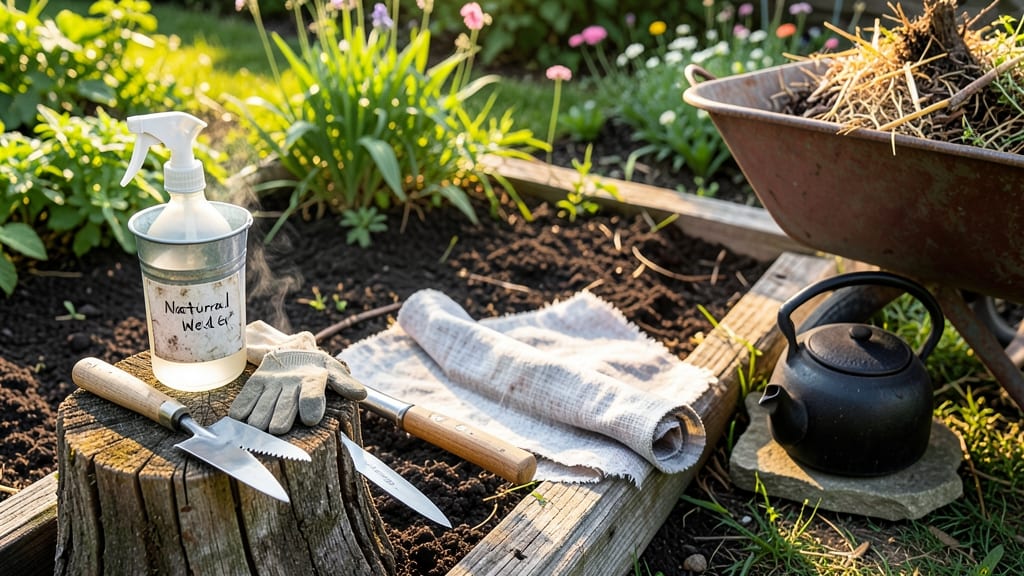
My best way to eliminate weeds starts with a 10-minute morning routine that saves my back—and my sanity—throughout the season. 🌱 I used to spend hours bent over, pulling weeds by hand, only to see new ones pop up the next week.
That changed when I discovered the right combination of timing, tools, and smart prevention.
The secret isn’t brute force—it’s working with nature. Pull weeds when the soil is moist (after rain or watering), use a hula hoe for broad areas, and smother bare soil with 3-4 inches of mulch to block sunlight.
Even my neighbor’s stubborn crabgrass struggles against this simple system. The key is consistency: 15 minutes weekly keeps weeds from gaining a foothold.
You’ll end up with a garden where weeds are rare, not relentless. The mulch breaks down into soil, improving your beds over time, and you’ll actually enjoy weeding instead of dreading it. No more backaches, no more wasted effort—just a cleaner, healthier garden with less work.
Works for flower beds, vegetable patches, and even between patio stones. The same principles apply whether you’re dealing with dandelions, clover, or creeping Charlie. Let’s make weeds a thing of the past—without the chemicals or the strain.
📚 In This Guide
- What you need
- Instructions
- Tips and common mistakes
- Wrapping up and next steps
What you need
- ● Gardening Gloves – 1 pair (waterproof, reinforced for grip; look for cactus or heavy-duty options).
- ● Weeding Tools – Hand Weeder (e.g., dandelion digger or stake weeder) – 1–2 units (metal or ergonomic designs work best).
- ● Hori-Hori Knife – 1 (for stubborn roots; Japanese-style preferred).
- ● Garden Fork – 1 (for deep-rooted weeds like quackgrass or bindweed).
- ● Kneeling Pad – 1 (memory foam or gel-infused for comfort; avoid cheap vinyl).
- ● Bucket or Wheelbarrow – 1 (5–10 gallon capacity for disposal or compost).
- ● Pruners – 1 pair (bypass pruners for clean cuts on broadleaf weeds).
- ● Hose with Adjustable Nozzle – 1 (for rinsing tools and loosening soil).
- ● Vinegar Solution – 1 gallon (use 20–30% acetic acid; mix 1:1 with water + 1 tbsp dish soap for adhesion).
- ● Corn Gluten Meal – 1–2 lbs (pre-emergent natural herbicide; apply before weeds sprout).
- ● Boiling Water – Kettle or large pot (for spot treatment on driveways/walkways).
- ● Mulch – 2–3 bags (straw, wood chips, or cardboard under mulch to block light).
- ○ Salt (Optional) – 1 lb (only for non-plant areas; use sparingly—it harms soil long-term).
- ● Check the weather forecast—weed when soil is moist but not muddy (early morning or post-rain).
- ● Wear closed-toe shoes and long sleeves to avoid scratches or stings (e.g., stinging nettle).
- ● Have a compost bin or trash bag ready for disposal (some weeds resprout if left in the yard!).
Step-by-step guide to natural weed elimination
Here's my go-to method for weed control that saves your back and keeps your garden thriving.
🌱 Step 1: Identify and Target Active Growth Zones
Start by scanning your garden for weeds with broadleaf structures (like dandelions) or grassy runners (like crabgrass). Focus on areas where weeds are most aggressive—typically along walkways, garden edges, and under mulch. I like to work in 10-foot sections at a time to avoid feeling overwhelmed.
Look for new shoots that haven't yet developed deep roots—these pull out cleanest. Older weeds with established root systems will require more effort. Use a small hand trowel to gently loosen soil around the base before pulling. This reduces resistance and prevents breakage.
💧 Step 2: Apply Targeted Moisture to Weaken Roots
Water the weed-infested area 24 hours before pulling to soften the soil. I use a gentle spray nozzle to avoid disturbing the ground too much. The goal is to create a moist but not soggy environment—think of it like pre-soaking stubborn mud before digging.
This step is especially critical for weeds growing in compacted or rocky soil. The moisture helps break the bond between roots and soil, making extraction easier. Avoid overwatering, which can encourage weed regrowth or create muddy conditions that make pulling more difficult.
✂️ Step 3: Use the Right Tools for Effortless Removal
Grab a weed puller or hori-hori knife for stubborn roots—these tools let you cut through thick taproots without bending over. For smaller weeds, a simple hand fork works perfectly. I always pull weeds at soil level to avoid leaving root fragments that can regrow.
For weeds growing in cracks in pavement or between stones, use a narrow metal tool to scrape them out without damaging the surrounding surface. If you're dealing with a large area, consider a weed torch (used carefully in dry conditions) or a vinegar-based spray for spot treatment.
☀️ Step 4: Prevent Regrowth with Natural Barriers
After removal, apply a 2-3 inch layer of organic mulch (like wood chips or straw) to suppress new weed seeds from germinating. I focus on areas around plants where weeds are most persistent. The mulch blocks sunlight, which weeds need to grow.
For high-traffic areas, consider installing landscape fabric under mulch to create a long-term barrier. This method works best in garden beds where you want to maintain clean soil. In walkways, a mix of gravel and sand can also deter weed growth while improving drainage.
🌿 Step 5: Monitor and Maintain for Long-Term Control
Check treated areas weekly for new weed sprouts, especially after rain. I keep a small hand cultivator handy for quick spot treatments. The key is consistency—weeds grow fast, and a single missed sprout can turn into a full-blown problem.
For persistent weeds like clover or creeping Charlie, I've found that boiling water** (poured directly on the roots) works wonders. This method is chemical-free and effective for small, localized infestations. Always test a small area first to ensure it won't harm nearby plants.
Tips & tricks for effective weed elimination
Here's what I've learned after battling weeds in my own garden for years—these tricks will make your weed-pulling sessions more efficient and less back-breaking.
Timing is Everything: The 24-hour watering window before pulling is your secret weapon. I've found that early morning watering works best—it gives the soil time to absorb moisture evenly without evaporating too quickly. If you're working in the heat, water in the evening instead. The key is to create that moist-but-not-soggy environment where roots slip out effortlessly. Trust me, your back will thank you when you don't have to wrestle with stubborn weeds.
Tool Selection Strategy: Don't underestimate the power of the right tool for each situation. For those pesky weeds in pavement cracks, I keep a narrow metal tool specifically for this job—it's like having a tiny chisel for weeds. And if you're dealing with a large area, consider investing in a dandelion digger. It's designed to cut through those deep taproots without you having to bend over for hours. I've gone through three different tools before finding the ones that work best for my garden's specific challenges.
Preventive Maintenance: That 2-3 inch layer of mulch isn't just decorative—it's your first line of defense. I've learned that maintaining this barrier requires regular checks, especially after rain. When you see mulch shifting or thinning, top it up immediately. For garden beds, I like to use wood chips because they break down slowly, while straw works better for vegetable gardens as it allows more water penetration. The consistency in thickness matters more than the type of mulch you choose.
Weekly Monitoring Hack: Set a recurring reminder for every Saturday morning to do a quick 10-minute weed check. I keep my hand cultivator in the garage by the door so it's always accessible. This routine prevents small weeds from becoming established. I've noticed that weeds after rain are particularly aggressive, so I always do an extra check after any significant rainfall. The earlier you catch them, the easier they are to remove.
Pro Tips for Best Way To Eliminate Weeds
- Here's what I've learned after battling weeds in my own garden for years—these tricks will make your weed-pulling sessions more efficient and less back-breaking.
- Timing is Everything: The 24-hour watering window before pulling is your secret weapon.
- Tool Selection Strategy: Don't underestimate the power of the right tool for each situation.
Frequently asked questions
Got questions about banishing weeds for good? You’re not alone—we’ve got answers! Here are some of the most common concerns folks have when tackling weeds naturally and effectively.
What’s the best time of day to pull weeds?
The ideal time is early morning or late afternoon when the ground is moist (but not muddy) and weeds are soft. Avoid midday heat—it makes weeds tough and your backache worse! Pro tip: Water the area the night before for easier extraction.
Can I use vinegar to kill weeds, and how strong should it be?
Yes! A 20-30% acetic acid vinegar solution (mix 1 part vinegar with 1 part water) works best. Spray on weeds (avoid desirable plants!) on a sunny day for maximum effectiveness. Caution: Vinegar can harm nearby plants, so use a barrier like cardboard or newspaper.
How often should I repeat weed elimination methods?
Weeds are persistent—check your garden weekly for new sprouts, especially after rain. For natural methods like mulching or vinegar, reapply every 2-4 weeks during growing seasons. Persistent weeds? Try a boiling water treatment (pour directly on roots).
Are there any weeds that won’t respond to natural methods?
Some tough weeds like bindweed, nutgrass, or crabgrass may need repeated efforts. For these, combine manual pulling + vinegar + mulch. If all else fails, spot-treat with a natural herbicide (like corn gluten meal) to prevent regrowth.
Will eliminating weeds harm my lawn or garden long-term?
Not if done right! Natural methods like mulching, hand-pulling, or corn gluten pre-emergent protect soil health. Avoid harsh chemicals—they can disrupt ecosystems. Pro tip: Boost soil with compost after weeding to encourage grass/plant growth and deter future weeds.
Still stumped? Drop your weed woes below—we’ve got more tricks up our sleeves!
Wrapping up and next steps
Eliminating weeds doesn’t have to be a painful or chemical-heavy battle—just a strategic, natural approach with the right tools and techniques! Whether you’re pulling by hand, using vinegar, or leveraging mulch, consistency and prevention are your best allies.
Start small, stay patient, and soon your garden will thrive without the unwanted guests.
Ready to reclaim your space? Pick one method from this guide and give it a try this weekend—your back (and your plants!) will thank you. 🌱