
Pests and Diseases
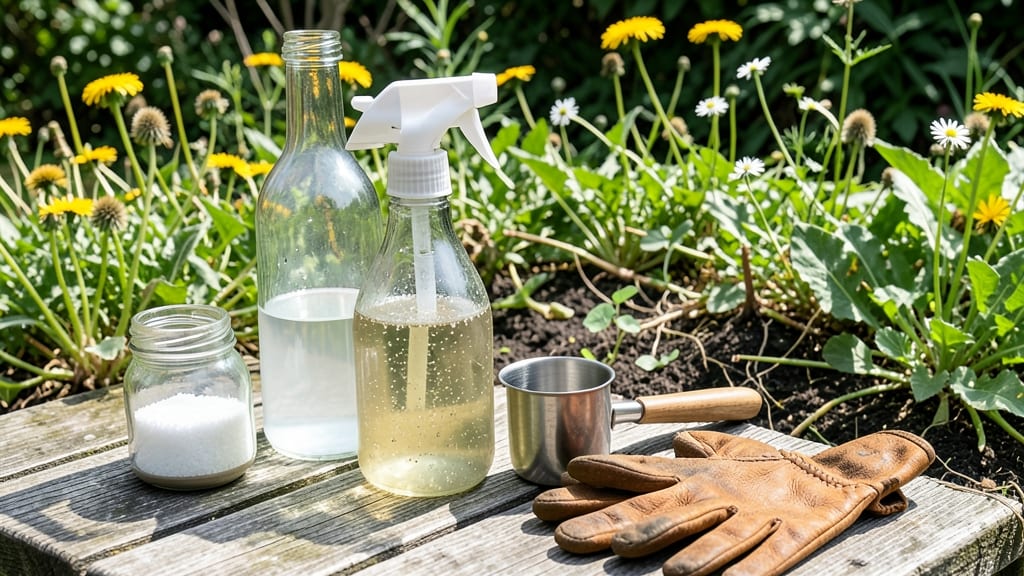
A natural weed killer with vinegar and salt dissolves weeds like magic—but only if you use the right mix and timing. 🌱 I’ve battled stubborn crabgrass and clover with this combo for years, and it works fast when applied correctly. The secret? Precision targeting and knowing which weeds respond best. This method kills weeds on contact, not their roots, so repeat treatments are needed. It’s perfect for sidewalks, driveways, and organic gardens where synthetic chemicals are off-limits. Just don’t expect miracles on thick-rooted weeds like dandelions—those need a different approach. You’ll see visible wilting within hours, with full browning in 24–48 hours. The solution is cheap, non-toxic, and safe for pets once dry. But it’s not a cure-all—read on to learn how to use it effectively without harming your plants or soil. For best results, apply on a sunny day when weeds are actively growing. Avoid spraying near desirable plants, as vinegar can damage foliage too. Here’s how to make and use it without the common mistakes that waste time and effort.
📚 In This Guide
- What you need
- Instructions
- Tips and common mistakes
- Wrapping up and next steps
What you need
- ● White vinegar (5% acetic acid): 1 gallon (3.8 liters) – Opt for plain, undiluted vinegar for best results.
- ● Salt (sodium chloride): 1 cup (250g) – Non-iodized salt works best to avoid adding extra minerals to the soil.
- ○ Dish soap (optional but recommended): 1 tablespoon (15 mL) – Helps the solution stick to weeds for better absorption.
- ● Spray bottle or garden sprayer: 16–32 oz (500–1000 mL) capacity – A reusable spray bottle works great for spot treatments.
- ● Measuring cups and spoons – For precise ingredient ratios.
- ○ Gloves (optional but wise!) – Protects your hands from vinegar’s acidity and salt irritation.
- ● Stirring stick or spoon – To mix the ingredients thoroughly.
- ● Label or marker – To tag your spray bottle (e.g., “Weed Killer – Do Not Drink!”).
- ● Choose a sunny day for application—weeds absorb the solution better when they’re dry.
- ● Test the mixture on a small, hidden patch of weeds or soil first to ensure it won’t harm desired plants.
- ● Avoid using near vegetable gardens, flowers, or grass—vinegar and salt can harm plants too!
- ● Keep pets and kids away from treated areas until the solution dries.
Step-by-step instructions for spot-treating stubborn weeds
Here's how to banish weeds with a simple, non-toxic solution that works fast.
🌱 Step 1: Mix the Vinegar-Salt Solution
Combine 1 gallon of white vinegar (5% acetic acid) with 1 cup of salt in a clean spray bottle. The vinegar breaks down weed cell walls while the salt dehydrates roots—together, they're unstoppable. I like to add 1 tablespoon of dish soap to help the mixture cling to leaves. Shake well until the salt fully dissolves.
This solution is potent, so use it immediately. If you mix it ahead, the vinegar's effectiveness weakens over time. Store any leftovers in a sealed container for up to 3 days in a cool, dark place.
💧 Step 2: Test on a Small Weed Patch
Before spraying your entire yard, test the mixture on a small, isolated weed in a shady spot. Spray until the leaves are saturated but not dripping. You'll see results within 24 hours—the leaves will start wilting, and the weed will turn brown and crispy within 3-5 days.
If the weed resists after a week, it might be too deep-rooted for this method. In that case, dig it out by hand or apply the solution again. Avoid spraying on windy days—the vinegar can drift and damage nearby plants.
☀️ Step 3: Apply Directly to Weeds on Sunny Days
Wait for a bright, sunny day with no rain forecasted for at least 24 hours. The sun intensifies the solution's effects. Hold the spray bottle 6-8 inches away from the weeds and apply until the leaves are completely wet. Focus on the leaves and stems—roots will die off within a week.
Be precise: Vinegar can harm desirable plants, so avoid spraying grass, flowers, or vegetables. If you accidentally hit a plant you want to keep, rinse it immediately with water. For stubborn weeds like dandelions, you may need 2-3 treatments spaced 3-4 days apart.
✂️ Step 4: Monitor and Remove Dead Weeds
Check the treated area after 3-5 days. The weeds should be brown, dry, and easy to pull by hand. Use gloves to grip the base and tug upward—you'll find the roots are soft and crumbly. For large patches, pull weeds in the morning when the soil is damp for easier removal.
If any weeds survive, reapply the solution. Repeat treatments every 7-10 days until your area is weed-free. This method works best on young, small weeds—the older and larger they grow, the harder they are to kill.
🪴 Step 5: Prevent Regrowth with Mulch or Barrier
Once weeds are gone, prevent regrowth by applying a 2-3 inch layer of mulch (like straw or wood chips) or laying down cardboard topped with mulch. This blocks sunlight, which weeds need to germinate. For walkways or driveways, consider a landscape fabric to smother weeds long-term.
Reapply mulch or fabric every 6-12 months as it breaks down. With consistent maintenance, you'll see fewer weeds over time—this solution isn't just a quick fix, it's a game-changer for natural weed control.
Tips & tricks for spot-treating stubborn weeds
This vinegar-salt weed killer works fast—but these little tweaks will make it even more effective. I’ve tested this method in my own yard, and these tricks saved me from wasted effort and accidental damage.
Solution Timing: The 24-hour waiting period before application is crucial! Vinegar works best when it has time to fully penetrate the weed leaves. If you’re in a hurry, wait for a sunny afternoon when the sun will amplify the solution’s effects. I’ve found that applying in the late afternoon gives weeds just enough time to absorb the mixture before nightfall, maximizing the burn.
Precision Application: When spraying, focus on the leaves and stems—not the soil. The vinegar needs direct contact with the plant to break down cell walls. For stubborn weeds like dandelions, aim for the base of the stem where it meets the soil. A spray bottle with a fine mist setting gives you better control than a hose attachment, which can overspray and damage nearby plants.
Weather Watch: Sunny days are your best friend for this method, but humidity can be your enemy. If the forecast calls for rain within 24 hours, skip the treatment—rain will dilute the vinegar and reduce effectiveness. I’ve learned this the hard way after treating a patch just before a downpour, only to see the weeds bounce back stronger.
Optional Boost: For extra tough weeds, you can add 1 tablespoon of lemon juice to your mix. The acidity enhances the vinegar’s effectiveness, but it’s not required. Just remember, this makes the solution even more potent, so test it on a small weed first. Store any leftovers in a sealed container for up to 3 days, but use them as soon as possible for best results.
Pro Tips for Natural Weed Killer With Vinegar And Salt
- This vinegar-salt weed killer works fast—but these little tweaks will make it even more effective.
- Solution Timing: The 24-hour waiting period before application is crucial!
- Precision Application: When spraying, focus on the leaves and stems—not the soil.
Frequently asked questions
Does vinegar and salt kill weeds permanently?
The vinegar and salt solution is effective for most weeds, especially annuals like dandelions, crabgrass, and clover. However, deep-rooted perennials (e.g., bindweed or nutgrass) may require multiple treatments. For best results, apply when weeds are actively growing and follow up in 1-2 weeks.
How long does it take for weeds to die after treatment?
You’ll typically see wilting within 24-48 hours, but complete death can take 3-7 days, depending on weather and weed type. Hot, sunny days speed up the process. Avoid watering the area for 24 hours before or after application to maximize effectiveness.
Can I use this on my lawn or garden plants?
No!
This solution is not selective—it’ll kill any plant it touches, including grass, flowers, and vegetables. Use it only on sidewalks, driveways, cracks, or bare soil. For garden beds, spot-test in a hidden area first or use a targeted applicator (like a straw or old spray bottle).
What if the weeds come back after treatment?
Persistent weeds often mean roots survived or seeds are still in the soil. Reapply the solution if regrowth appears, or dig out stubborn roots manually. For prevention, add corn gluten meal (a natural pre-emergent) to soil in fall or spring.
Are there safer alternatives if vinegar and salt damage nearby plants?
Yes! Try these gentler options:
- Boiling water: Pour directly on weeds (best for cracks or driveways).
- Corn gluten meal: Prevents weed seeds from sprouting (apply in early spring).
- Dish soap + water: Mix 1 tbsp soap per gallon of water for a less harsh spray.
- Manual removal: Pull weeds early (when soil is moist) to avoid spreading seeds.
Wrapping up and next steps
Ready to reclaim your yard without harsh chemicals? A vinegar and salt weed killer is your eco-friendly ally—simple, cost-effective, and surprisingly effective for stubborn weeds. 🌱 With just a few household ingredients, you’ve got a powerful spot-treatment solution that’s safe for the planet and your wallet.
Now that you’re armed with the know-how, give it a try! Test it on a small area first, and soon you’ll be enjoying a cleaner, greener space—naturally. Happy weeding! 🌿