
Vegetables
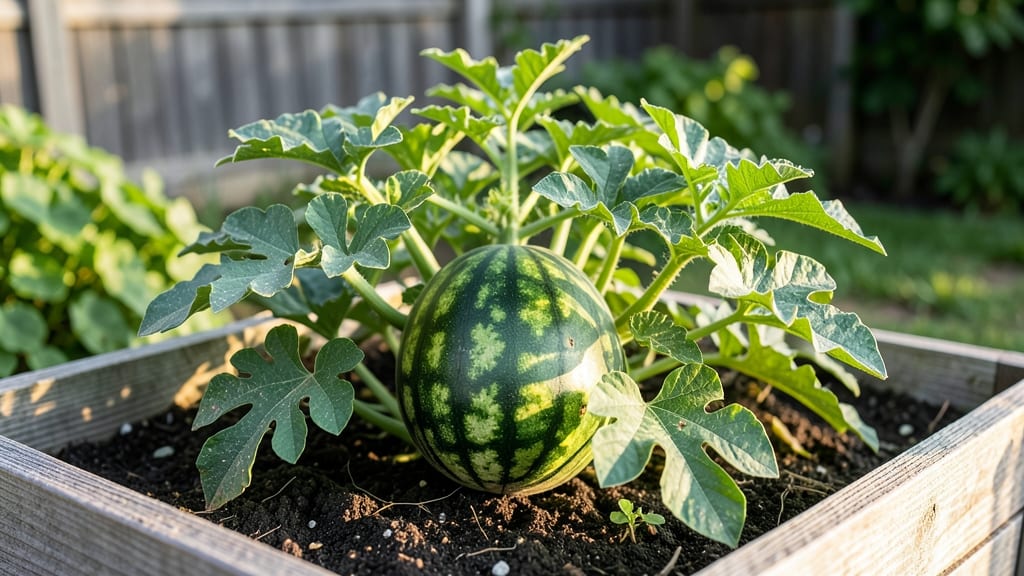
Ripe mini watermelons 🍉 deliver the perfect balance of sweetness and crunch—but spotting them at the right moment can be tricky if you don’t know the signs.
Picking too early means a bland, watery bite, while waiting too long risks overripe fruit that’s tough or spoiled. The difference between a juicy reward and a disappointing slice comes down to a few key visual and tactile clues most gardeners overlook.
From the color of the field spot to the sound when tapped, these 5 foolproof cues will help you harvest at peak ripeness every time—whether you’re growing them in your backyard or buying from the farmer’s market.
Below, I’ll walk you through each method, including how to test for ripeness without cutting into the fruit and what to do if your mini watermelons aren’t maturing as expected.

5 Visual cues to identify ripe mini watermelons instantly
Nothing beats the satisfaction of biting into a perfectly ripe mini watermelon—sweet, juicy, and bursting with flavor. But how do you know when those tiny fruits are ready to harvest? Many gardeners rely on guesswork, leading to either underripe, bland melons or overripe ones that turn mushy.
The good news is that mini watermelons reveal clear visual cues when they’re at peak ripeness. By mastering these 5 key indicators, you’ll never second-guess your harvest again.
Whether you’re inspecting your homegrown vines or picking produce at the farmers' market, these visual signals will help you spot ripe mini watermelons every time. From the field spot color to the texture of the rind, each clue provides valuable insight into the fruit’s maturity.
Let’s dive into the most reliable ways to identify that perfect moment to harvest.
🍉 5 Visual Cues for Ripe Mini Watermelons
- 🌱 1. Field Spot Color: Look for a creamy yellow or orange spot on the underside of the melon where it rested on the soil. This field spot deepens as the fruit ripens.
- 🎨 2. Rind Texture and Hardness: A ripe mini watermelon has a hard, glossy rind that resists gentle thumb pressure. If it dents easily, it’s not ready yet.
- 👆 3. Stem Changes: The stem near the fruit should turn brown and dry out slightly. If it’s still green, the melon needs more time.
- 📏 4. Size and Shape: While size varies by variety, ripe mini watermelons typically reach 2–4 inches in diameter and maintain a consistent shape without rapid growth.
- 🌈 5. Uniform Color: The rind should be deep green (or variety-specific color) with no pale or yellow patches. Stripes or patterns should be fully developed.
A ripe mini watermelon’s field spot is one of the most reliable indicators. This creamy patch forms where the fruit touches the ground, and its color shifts from pale green to a vibrant yellow or orange as the melon matures.
For example, varieties like ‘Sugar Baby’ or ‘Tiny Tim’ develop a bright yellow spot when fully ripe. If you’re unsure, compare the spot to a ripe cantaloupe—it should match that warm, sun-ripened hue.
The rind texture is another dead giveaway. A ripe mini watermelon’s skin should feel firm and slightly waxy to the touch. Gently press your thumb against the rind—if it springs back and doesn’t leave a dent, the fruit is ready.
Avoid harvesting if the rind feels soft or spongy, as this indicates underripeness. Pro tip: Mini watermelons ripen faster than their larger counterparts, so don’t wait too long once the rind hardens.
Pay close attention to the stem near the fruit, as this area undergoes noticeable changes as the melon ripens. A ripe stem will appear dry, brown, and slightly shriveled, almost like it’s detaching naturally.
If the stem is still green and flexible, the fruit needs more time on the vine. This cue is especially useful for container-grown mini watermelons, where stems can be harder to spot.
Size matters, but don’t rely on it alone—some mini watermelons stop growing before reaching their maximum diameter. Instead, focus on whether the fruit has stopped expanding rapidly. Measure the melon’s girth over a few days; if growth slows and the shape stabilizes, it’s a sign of ripeness.
For varieties like ‘Moon and Stars,’ the final size is often 3–4 inches wide, but color and texture are more critical than dimensions.
Finally, a uniform color is a hallmark of ripeness. The rind should be deep and consistent in its hue, whether that’s classic green, striped, or patterned. Avoid melons with uneven coloring, pale patches, or yellowing—these are signs of stress or immaturity.
For example, ‘Black Diamond’ mini watermelons develop a glossy black rind when fully ripe, while ‘Orangesicle’ turns a bright orange-yellow.
Now that you know these 5 visual cues, you can confidently harvest your mini watermelons at their peak. Remember, ripeness varies slightly by variety, so always combine these clues for the most accurate results.
Next, we’ll explore how to test ripeness beyond just looks—like the classic thump test and stem inspection—so you can double-check your harvest every time.
How to test mini watermelon ripeness beyond visuals: the thump and tap guide
When your mini watermelon looks perfect but you're still unsure, don't rely on visuals alone. The thump test and tap method reveal ripeness secrets hidden from sight. These tactile techniques help you avoid picking fruit that's either too hard (underripe) or too soft (overripe).
I've used these methods for years to guarantee sweet, juicy harvests every time.
Start by examining the stem attachment. A ripe mini watermelon will have a dry, brown stem that easily snaps off with a slight twist. This indicates the fruit has fully matured and stopped drawing nutrients.
If the stem is still green or rubbery, give it more time on the vine. This simple check eliminates guesswork about internal ripeness.
The weight comparison method works surprisingly well. Pick up two melons of similar size—one you know is ripe and one you're testing. The ripe one will feel noticeably heavier for its size because it's packed with juice and sugars.
This trick is especially useful when shopping at farmers' markets where you can't see the stems.
For a more scientific approach, try the finger pressure test. Press your thumb firmly into the field spot (the yellowish area where the melon rested on the ground). If the rind springs back immediately, it's ripe.
If it leaves a dent, it needs more time. This test works best on melons that are already showing good color but still feel slightly soft.
Combine these methods for foolproof results. A melon that passes the stem test, produces a hollow thump, feels heavy for its size, and resists finger pressure is ready to harvest.
I always check at least three of these indicators before picking. This multi-step approach has never failed me, even with tricky varieties like 'Sugar Baby' or 'Tiny Tim'.
Remember that mini watermelons ripen faster than their larger counterparts, so don't wait too long after they pass these tests. Once picked, they'll continue ripening slightly off the vine but won't improve much beyond their peak.
With these tactile techniques, you'll harvest perfectly ripe mini watermelons every season—no more bitter disappointments!