
How To
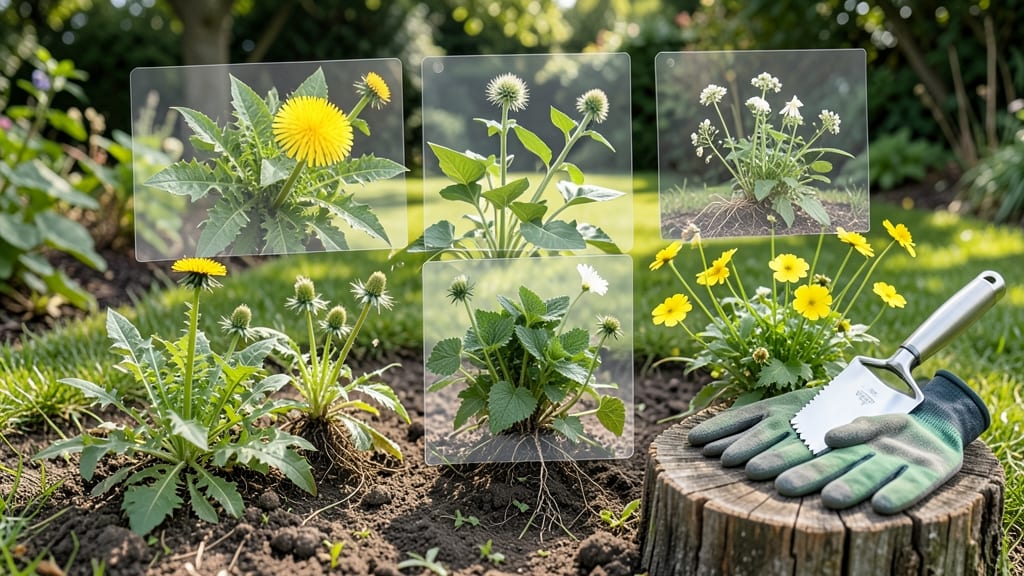
Identifying weeds in your UK garden can save you hours of back-breaking work. 🌱 The moment you spot groundsel with its jagged leaves and yellow flowers or bindweed clinging to your roses, you’ll know exactly what to tackle—and how to stop it spreading.
I’ve wrestled with these garden invaders for years, and once you learn their telltale signs, weed control becomes a whole lot easier.
Start by comparing leaf shapes, flower colours, and growth habits—dandelions have toothed leaves and white blooms, while chickweed sprawls with tiny oval leaves. Grab a magnifying glass for close-ups, and check the RHS Weed Identification Guide or apps like PlantNet for instant UK-specific matches.
Most weeds thrive in disturbed soil, so mulching and regular weeding keeps them at bay without harsh chemicals.
Once you’ve got the ID down, you’ll spot them before they take over. Pull young weeds by hand, or use vinegar-based sprays for stubborn patches like creeping thistle. The key is acting fast—bindweed can strangle plants in weeks, while ground elder spreads like wildfire if ignored.
With these tricks, your garden will stay lush and weed-free all season long.
For tricky cases, UK gardening forums like Gardeners’ World or local Facebook groups offer real-time help. Share photos with details like leaf texture or flower shape, and you’ll get solutions tailored to your region.
A quick ID now means less frustration later—and more time enjoying your garden instead of fighting it.
📚 In This Guide
- What you need
- Instructions
- Tips and common mistakes
- Wrapping up and next steps
What you need
- ● Field Guide or App: A reliable UK-specific plant ID app (e.g., PlantNet, PictureThis, or iNaturalist) or a printed guidebook like “Collins Wild Flower Guide”.
- ● Magnifying Glass: A 10x handheld magnifier to inspect leaf textures, seed heads, and fine details.
- ● Notebook & Pen: For jotting down notes on plant characteristics (height, leaf shape, flowering time).
- ○ Camera or Smartphone: With a macro lens attachment (optional but helpful for close-ups).
- ○ Gloves (Optional but Recommended): Lightweight gardening gloves to protect hands from prickly plants like nettles or brambles.
- ● Ruler or Measuring Tape: To record plant height or leaf width (a 12-inch ruler works well).
- ● Small Trowel or Hand Fork: For gently digging up roots if needed (especially for dandelions or bindweed).
- ● Plant Press: A DIY or store-bought press to preserve leaf samples for later reference.
- ● UV Flashlight: Some plants (like foxglove) fluoresce under UV light, revealing hidden patterns.
- ● Weather-Resistant Bag: For collecting seeds or soil samples (if testing for invasive species).
- ● Pocket Knife: For slicing stems to check internal structures (e.g., hollow vs. solid stems).
- ● Local Flora Database Access: Online resources like the UK Centre for Ecology & Hydrology’s plant database for cross-referencing.
Quick visual Guide to identifying common UK garden weeds
Here’s how to spot and name the most persistent weeds in British gardens—no botany degree needed.
🌱 Step 1: Look for Broadleaf Weeds (The Classic Leaf Shapes)
Start by checking leaf arrangement and edges. Dandelions have deeply lobed leaves arranged in a rosette, while groundsel features jagged, hairy-edged leaves that clump tightly. Chickweed has smooth, oval leaves in pairs along the stem—run your finger along it to feel the slight roughness.
Plantain leaves are broad with parallel veins, often forming a sprawling mat. If you see a weed with three pointed leaves (like a tiny shamrock), it’s clover, which fixes nitrogen in the soil. Remember: broadleaf weeds respond well to vinegar sprays, so identifying them first saves time.
🌿 Step 2: Spot Grass-Like Weeds (The Stubborn Stalkers)
Grass weeds are trickier because they mimic lawns. Couch grass has flat, ribbed leaves and spreads via underground rhizomes—dig to check for white, string-like roots. Annual meadow grass grows in dense tufts with flat, V-shaped leaf bases, while Yorkshire fog has rolled leaves and a distinctive purplish tinge when young.
For bromus (brome grass), look for hairy leaf edges and seed heads that droop like a cat’s tail. If you’re unsure, pinch a leaf: grass weeds will snap cleanly, while broadleaf weeds tear raggedly.
💧 Step 3: Check for Seed Head Clues (The Giveaway Trait)
Seed heads are your best friend. Dandelions produce a fluffy white puffball, while groundsel has tiny yellow flowers that turn into fluffy seed clusters resembling mini dandelions. Chickweed develops star-shaped white flowers that turn into tiny seed pods.
If you see spiky seed heads resembling a bottle brush, it’s goosegrass. Nettles have serrated leaves and stinging hairs, but their seed heads look like tiny green spikes. Pro tip: snap off seed heads before they release—this stops weeds from spreading.
✂️ Step 4: Dig for Root Patterns (The Hidden Trait)
Some weeds give away their identity underground. Couch grass has white, fibrous roots that can stretch 10 feet deep—digging it out by hand is nearly impossible. Bindweed (morning glory) twines around plants with thick, woody roots that regrow from tiny fragments.
For dandelions, pull gently—the taproot will come out in one piece if you’re patient. If you see bulb-like structures (like tiny onions), it’s wild garlic or crow garlic, which multiply aggressively. Always remove the entire root to prevent regrowth.
☀️ Step 5: Note Growth Habits (When and How They Spread)
Timing matters. Dandelions and groundsel thrive in disturbed soil, while bindweed spreads via underground runners. Chickweed loves damp, shaded areas and forms dense mats. Observe where weeds cluster: dry, sunny spots often host plantain and dandelions, while shady, moist areas attract ground ivy (Glechoma hederacea) with its square stems and scalloped leaves.
If a weed appears overnight, it’s likely annual meadow grass or blackgrass, which germinate en masse in spring. For persistent weeds like couch grass, dig in fall when roots are softer—this reduces regrowth next season.
Tips & tricks for quick weed identification in UK gardens
When you're trying to clear your garden of common weeds, these quick visual cues will help you identify them faster than ever.
Leaf Texture Trick: In Step 1, when examining broadleaf weeds like dandelions or plantain, run your thumb along the leaf edge. Dandelion leaves feel slightly jagged like a serrated knife, while plantain leaves have a smooth, almost waxy texture. This simple touch test helps distinguish them instantly without needing to memorize botanical details.
Seed Head Strategy: Step 3 highlights how seed heads reveal weed identities, but here's the pro move: snap off seed heads immediately when you spot them. This prevents new weeds from sprouting—especially critical for dandelions and groundsel. I keep a small pair of scissors in my gardening gloves just for this purpose. The moment you see that telltale fluffy white puffball on dandelions, snip it off at the base.
Root Inspection Hack: For stubborn weeds like couch grass or bindweed mentioned in Step 4, here's what nobody tells you: dig a small test hole (about 2 inches deep) near the weed. If you uncover white, fibrous roots, it's couch grass. For bindweed, look for thick, woody roots that can regrow from tiny fragments—this explains why it keeps coming back even after pulling.
Seasonal Timing Tip: The growth habits in Step 5 reveal the best times to tackle weeds. In spring, focus on annual meadow grass and blackgrass that appear overnight. In fall, couch grass roots are softer, making them easier to remove. I mark my calendar with these seasonal reminders—it's saved me countless hours of frustration trying to pull weeds at the wrong time.
Pro Tips for Weed Id Uk
- When you're trying to clear your garden of common weeds, these quick visual cues will help you identify them faster than ever.
- Leaf Texture Trick: In Step 1, when examining broadleaf weeds like dandelions or plantain, run your thumb along the leaf edge.
- Seed Head Strategy: Step 3 highlights how seed heads reveal weed identities, but here's the pro move: snap off seed heads immediately when you spot them.
Frequently asked questions
Got questions about spotting and dealing with unwanted weeds in your UK garden? You’re not alone! Here are some of the most common queries—plus quick answers to help you tackle those garden intruders like a pro.
How can I tell the difference between a weed and a wildflower?
Weeds are typically fast-growing, non-native plants that spread aggressively, while wildflowers (like dandelions or clover) often have delicate blooms and support local ecosystems. Check the visual ID guide in this article—it includes key traits like leaf shape and growth habits to help you distinguish them.
When is the best time to remove weeds from my UK garden?
Timing matters! The ideal window is early spring or late summer when weeds are actively growing but before they seed. In the UK’s damp climate, weeds thrive year-round, so regular checks (every 2–4 weeks) will keep them in check. Pro tip: Pull them after rain—soil is softer, making removal easier!
What’s the fastest way to kill weeds without chemicals?
For stubborn weeds, try these natural methods:
- Boiling water: Pour directly on the base (avoid desirable plants!).
- Vinegar solution: Mix 1 part white vinegar + 1 part water + a drop of dish soap. Spray on sunny days to burn foliage.
- Mulch: Smother weeds with cardboard or organic mulch to block sunlight.
For deep-rooted weeds (like bindweed), dig them out completely—even a tiny piece can regrow!
Are there any weeds that are actually useful in the garden?
Some "weeds" are garden heroes:
- Clover: Fixes nitrogen in the soil, boosting plant health.
- Dandelions: Early pollinator food source and edible greens!
- Nettles: Rich in nutrients—great for compost or tea.
Before pulling, double-check with our ID guide. If it’s a beneficial plant, consider leaving it (or transplanting it elsewhere).
Why do weeds keep coming back even after I remove them?
Persistent weeds often have deep roots, hidden seeds, or spread via runners (like creeping buttercup). Here’s how to break the cycle:
- Use a weed knife or fork to sever roots below ground.
- Collect and dispose of weed debris (don’t compost it!).
- Improve soil health with compost to crowd out regrowth.
For tough cases, repeat treatments over 2–3 weeks to starve them out.
Wrapping up and next steps
Identifying weeds in your UK garden doesn’t have to be a headache—with the right tools and knowledge, you can tackle them like a pro! 🌱 From broadleaf weeds to stubborn grasses, recognizing the common invaders is the first step toward a cleaner, healthier garden. Stay vigilant, act early, and soon you’ll be keeping your outdoor space thriving.
Ready to take action? Grab your magnifying glass, download a weed ID app, or bookmark this guide—then head outside and start your weed patrol today! 🚀