
Pests
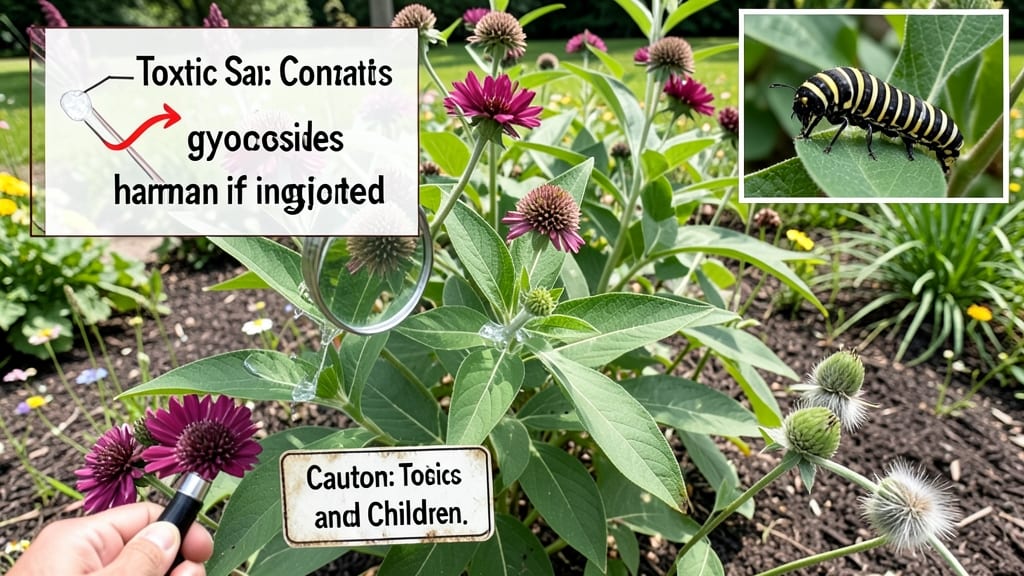
Milkweed is toxic to humans when consumed in large quantities, potentially triggering stomach upset, vomiting, or diarrhea from cardiac glycosides like uscharin, though direct skin contact is generally safe unless you have allergies. Always exercise caution when handling seeds or plant sap.
Milkweed's toxicity stems from natural compounds called cardiac glycosides, which can disrupt heart rhythms and digestive function if ingested in significant amounts. 🌱 While accidental skin exposure is uncommonly risky, the seeds and sap contain higher concentrations—so I always recommend wearing gloves when gardening or cleaning up plant debris.
The good news? Milkweed remains a vital food source for monarch butterflies, making it a valuable addition to eco-friendly gardens when handled properly.
For those with sensitive skin or allergies, it's worth noting that reactions can vary widely. Some people experience mild irritation, while others may have more severe responses.
If you're growing milkweed, keep it out of reach of children and pets, and consider wearing protective gear during high-contact tasks like pruning or seed collection.
💡 In This Article
- Toxic Compounds in Milkweed and Their Effects on Humans
- Safe Handling and Gardening Practices for Milkweed
Toxic compounds in milkweed and their effects on humans
The core toxicity in milkweed comes from cardiac glycosides—powerful compounds that disrupt the sodium-potassium pump in human cells. The most potent in milkweed are uscharin and oleandrin, which mimic natural hormones that regulate heart rhythm.
When ingested in amounts exceeding 0.1-0.2 mg/kg of body weight (about 7-14 mg for an average adult), these compounds can cause dangerous cardiac effects by overstimulating the heart's electrical system.
Symptoms typically appear within 30 minutes to 2 hours after ingestion and progress in stages.
Mild cases involve nausea, vomiting, and diarrhea—similar to food poisoning—while severe poisoning can lead to irregular heartbeat (bradycardia), confusion, or even cardiac arrest. 🌿 The sap and seeds contain the highest concentrations, with seeds sometimes reaching 100 times the toxic dose found in leaves.
For comparison, foxglove (another cardiac glycoside source) has oleandrin levels 3-5 times higher than milkweed, making it far more dangerous.
What makes milkweed uniquely dangerous is how its toxicity accumulates. The body metabolizes cardiac glycosides slowly, meaning symptoms can worsen over 6-12 hours even after initial exposure. Children under 5 years old are at higher risk due to their smaller size—just 1-2 seeds could trigger symptoms.
The good news? Cooking doesn't neutralize these compounds, so accidental ingestion through contaminated honey or herbal teas remains a rare but serious concern.
Skin contact is generally low-risk unless you have pre-existing allergies. The sap can cause mild irritation or rashes in sensitive individuals, but systemic poisoning from dermal exposure alone is extremely rare. However, the seeds pose the greatest danger—just 5-10 crushed seeds could be lethal to a child.
This is why gardeners and wildlife enthusiasts must handle milkweed with care, especially during seed collection.
Interestingly, milkweed's toxicity varies by species. Common milkweed (Asclepias syriaca) contains higher uscharin levels than swamp milkweed (Asclepias incarnata), which has more oleandrin. This variation explains why some gardeners report no issues while others experience reactions—it's not just about exposure but also the specific plant type and part consumed.
If poisoning occurs, immediate medical attention is critical. Activated charcoal can help bind remaining toxins in the stomach, while digoxin immune fab (Digibind) is the antidote for severe cardiac effects.
However, prevention is far simpler: keep milkweed out of reach, wear gloves when handling seeds, and never consume any part of the plant without expert confirmation.