
How To
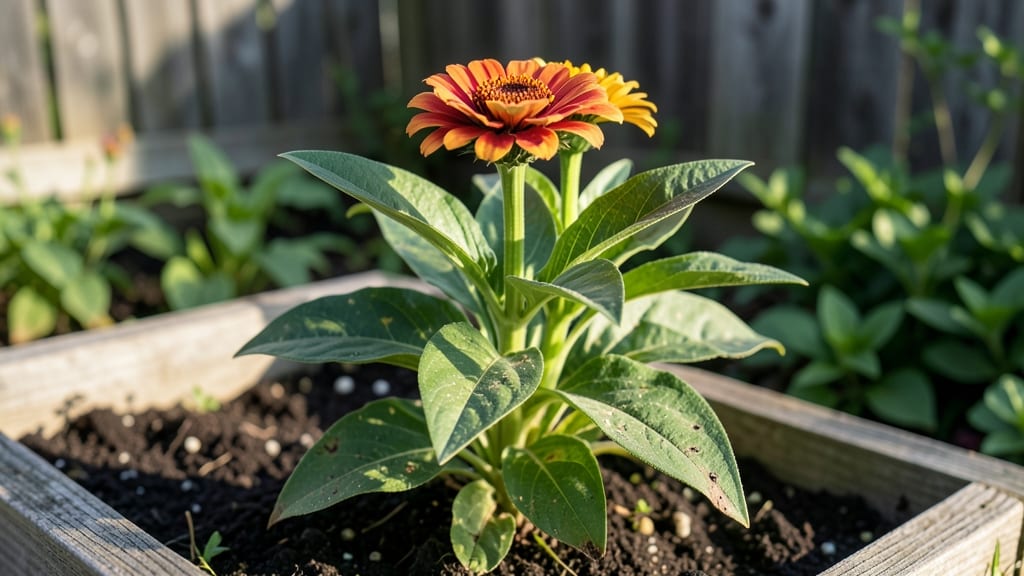
To water zinnias properly, aim for 1–1.5 inches per week—but timing and technique make all the difference between lush blooms and wilted stems.
Zinnias are the showstoppers of summer gardens—vibrant, long-lasting blooms that attract butterflies—but overwatering or underwatering can turn them into sad, wilted stems faster than you can say "deadhead."
Most gardeners assume "water when the soil feels dry," but zinnias hate soggy roots just as much as they hate thirst. The key? A finger-dip test—stick your finger an inch into the soil; if it’s dry, it’s time to water.
Below, I’ll break down the exact schedule for your climate, how to spot over- or under-watering, and the best methods to keep your zinnias thriving from June to October.
Zinnia watering schedule by climate zone: when soil needs a finger-dip test
Zinnias thrive when their watering schedule matches your local climate—not just the calendar. In USDA zones 3-11, temperatures, humidity, and soil types vary wildly, making a one-size-fits-all approach risky.
My finger-dip test method saves time and prevents soggy roots or wilting stems. The key? Checking soil moisture 1 inch below the surface before watering.
Why guess when you can test? Overwatering in humid zones 7-11 causes fungal diseases like powdery mildew, while dry zones 3-6 need deeper, less frequent watering to encourage strong roots.
Seasonal shifts matter too—spring seedlings need gentle moisture, while summer bloomers crave 1-2 inches of water weekly. Let’s break it down by zone and season.
🌱 Pro Tip: Always water at soil level, not the leaves, to avoid fungal issues. Use a drip irrigation system or soaker hose for containers to deliver moisture directly to roots.
| USDA Zone | Season | Water Frequency | Depth per Watering | Finger-Dip Test |
|---|---|---|---|---|
| 3-6 (Cold) | Spring | Every 5-7 days | 1 inch | Dry 1" down |
| 3-6 (Cold) | Summer | Every 3-4 days | 1.5 inches | Dry 1.5" down |
| 7-9 (Temperate) | Spring | Every 4-5 days | 1 inch | Dry 1" down |
| 7-9 (Temperate) | Summer | Every 2-3 days | 1-1.5 inches | Dry 1" down |
| 10-11 (Hot) | Spring | Every 3-4 days | 1 inch | Dry 1" down |
| 10-11 (Hot) | Summer | Daily (morning) | 0.75-1 inch | Dry 0.75" down |
| All Zones | Fall | Every 7-10 days | 0.5-1 inch | Dry 1" down |
⚠️ Finger-Dip Test: Stick your finger 1" into soil. If dry, water; if damp, wait.
In USDA zones 3-6, cooler temperatures slow evaporation, so zinnias need less frequent watering—even in summer. For example, my zone 5 garden thrives with every 3-4 days in July, but I double-check with
Signs your zinnias are thirsty (or drowned): 5 visual cues to save your flowers
Zinnias are tough little bloomers, but even they send SOS signals when their watering routine is off. Underwatering causes wilting by midday, while overwatering leads to yellow leaves and mushy stems. The key is learning these visual cues so you can adjust before your plants protest with droopy petals.
I’ve seen zinnias go from vibrant sunshine yellows to sad, limp stems in just 24 hours when watering was neglected. The good news? Most issues are reversible with quick fixes.
Start by checking the soil moisture with your finger—if the top inch feels dry, it’s time to water. If it’s soggy, hold off and improve drainage.
💧 Quick-Fix Watering Guide
- 1 Wilting leaves by noon? Water deeply at the base—1-2 inches per week in summer. Avoid overhead watering to prevent fungal diseases.
- 2 Yellowing lower leaves? Reduce watering frequency—zinnias hate soggy roots. Let the top 2 inches of soil dry out between waterings in cooler months.
- 3 Mushy stems or black spots? Stem rot is a red flag—stop watering immediately and trim affected stems. Improve drainage with perlite or sand mixed into potting soil.
- 4 Slow growth or pale flowers? Boost hydration during heatwaves. Water in the early morning to reduce evaporation and fungal risks.
- 5 Drooping buds before opening? Your zinnias need a drink! Water the soil (not the foliage) until moisture seeps out the drainage holes in containers.
Pro Tip: Mulch around your zinnias with straw or wood chips to retain moisture and keep roots cool.
One of my biggest mistakes was ignoring yellowing leaves until the stems turned mushy. By then, the roots were rotting, and I lost half my Benary’s Giant zinnias.
Now, I check the soil every morning—if it’s dry, I water; if it’s damp, I wait. Consistency is key, especially in USDA Zone 8 where summers are scorching.
For container-grown zinnias, the rules change slightly. Potted plants dry out faster, so I water them every 2-3 days in summer, even if the soil feels moist. Always water until the excess drains from the bottom—this prevents root suffocation.
If you’re unsure, stick your finger in the soil: if it’s dry past the first knuckle, it’s time to hydrate.
Remember, zinnias are drought-tolerant once established, but they won’t bloom their best if neglected. Pay attention to these visual cues, and your zinnias will reward you with weeks of vibrant color instead of wilting disappointment. 🌸