
Size
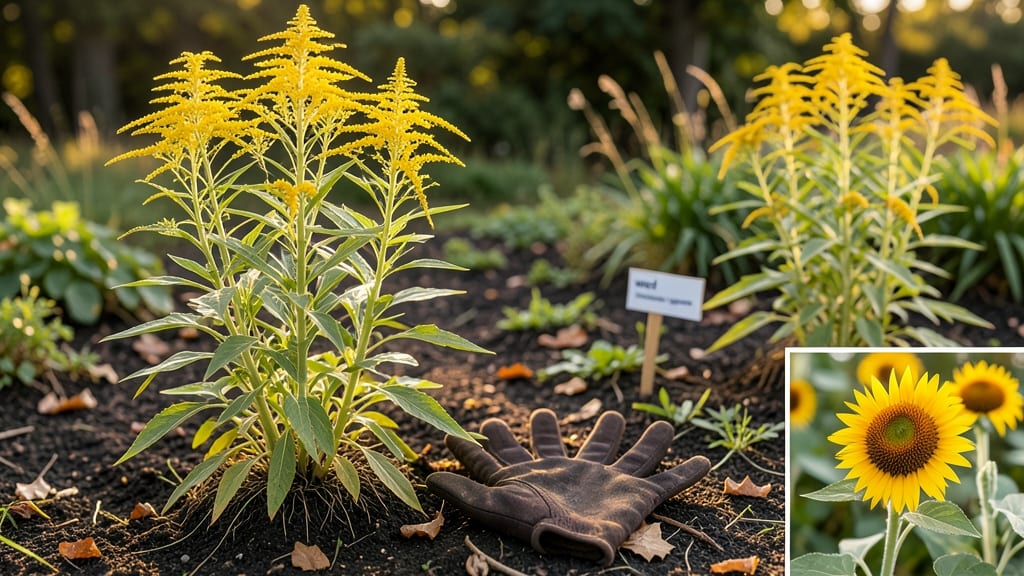
Tall goldenrod isn't a weed—it's a native wildflower that boosts pollinator populations and prevents soil erosion, even though its rapid growth can look like an invasive plant.
Tall goldenrod often gets a bad rap because of its tall, dense stalks that can dominate landscapes, but it's actually a critical food source for bees, butterflies, and other pollinators. 🔥 Unlike true invasive species, it doesn't spread aggressively through underground runners or seeds—it simply thrives in open spaces where other plants struggle.
Many gardeners mistakenly pull it out, not realizing they're removing a plant that helps stabilize soil and supports local ecosystems.
What sets tall goldenrod apart is its ecological partnership with native wildlife. Its late-summer blooms provide nectar when few other flowers are in season, making it a lifeline for butterflies and bees.
Plus, its deep roots prevent erosion better than many ornamental grasses. The key is managing it thoughtfully—cutting back stems in early spring preserves its benefits while keeping it from overwhelming your garden.
💡 In This Article
- Ecological Benefits of Tall Goldenrod in Native Ecosystems
- Managing Tall Goldenrod in Gardens Without Harming Wildlife
Ecological benefits of tall goldenrod in native ecosystems
Tall goldenrod (Solidago altissima) plays a vital role in native ecosystems as a late-season nectar source for pollinators when most flowers have already faded. Its bright yellow blooms attract over 50 species of bees, including bumblebees and honeybees, while also supporting monarch butterflies during their migration.
Unlike true invasive species, tall goldenrod doesn't outcompete native plants through aggressive underground spread—it simply thrives in disturbed areas where other species might struggle. 🔥
The plant's deep root system—reaching up to 3 feet underground—helps stabilize soil and prevent erosion, especially along roadsides and riverbanks. Its roots also contribute to nitrogen fixation, enriching the soil with organic matter.
Studies show that goldenrod-dominated areas maintain higher biodiversity than monocultures of ornamental grasses, which offer no food value to wildlife. The key difference? True invasives like Japanese knotweed disrupt ecosystems by crowding out natives, while goldenrod coexists peacefully.
What makes tall goldenrod particularly valuable is its timing. Most flowers bloom in spring or early summer, but goldenrod provides nectar from July through October, when pollinators face food shortages.
A single goldenrod plant can support dozens of bees in a single day, making it a critical resource for local ecosystems. Its seeds also serve as winter food for birds like goldfinches, creating a year-round benefit cycle. 🌟
Contrasting with true weeds, tall goldenrod doesn't spread through persistent seeds or underground rhizomes—it relies on wind dispersal and open space. This makes it an ideal candidate for restoration projects, where its presence indicates healthy soil and balanced ecosystems.
Unlike aggressive invasives, goldenrod doesn't require eradication; instead, it thrives as part of a diverse landscape. The confusion arises because its dense growth can resemble invasives, but its ecological contributions make it a native plant worth preserving.
For gardeners, understanding this distinction is crucial. While tall goldenrod may dominate a patch, it doesn't harm other plants—it simply fills a niche that ornamental flowers often can't. Its ability to attract pollinators while stabilizing soil makes it a far more valuable plant than many non-native alternatives.
The real issue isn't the goldenrod itself, but the misconception that all dense growth is harmful. 💫
Consider this: A single goldenrod plant can produce thousands of seeds, but these seeds require open ground to germinate—meaning they won't take over established lawns or gardens. This controlled spread contrasts sharply with invasives like kudzu, which smothers everything in its path.
The key is recognizing that goldenrod's "aggressiveness" is actually a sign of ecological health, not a threat.