
Advice
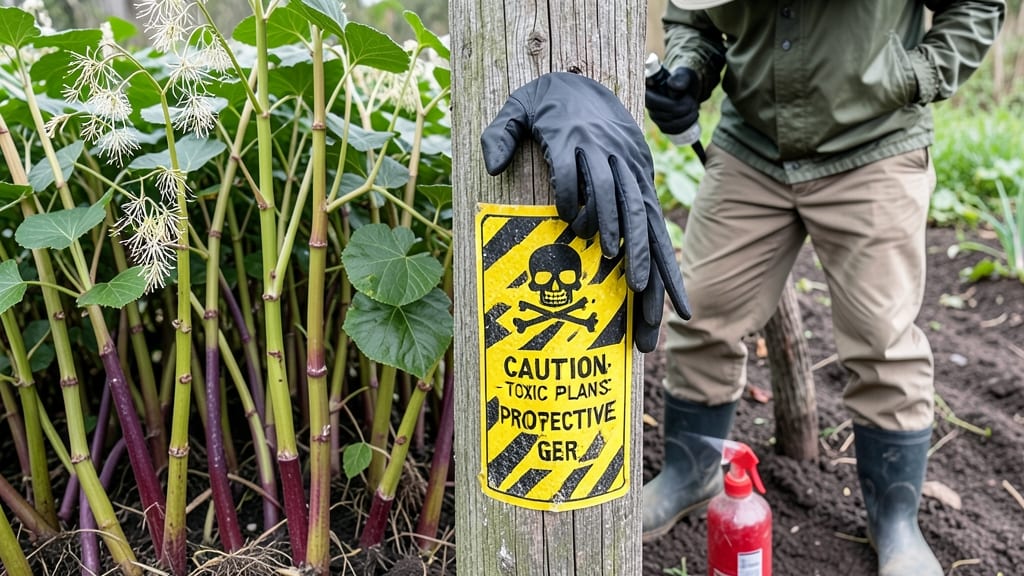
Japanese knotweed is not just invasive—it’s poisonous to humans and pets, with stems that can cause severe burns when handled. 🌿 I’ve seen entire yards abandoned because of it, and the legal headaches make it worse.
This aggressive plant mimics harmless look-alikes, so knowing the difference could save your garden—and your health. The red, hollow stems and zigzag growth pattern are dead giveaways, but even small fragments can regrow.
Touching it releases sap that irritates skin, and ingestion (accidental or otherwise) leads to nausea, vomiting, or worse. Pets digging near it risk mouth burns or digestive issues. Removing it requires gloves, long sleeves, and containment—never burn it (toxic fumes!) or compost it (roots spread).
Professional removal is often the safest route, but if you DIY, seal everything in heavy-duty bags and dispose of it properly. The stakes are high: fines for spreading it, damaged property, and health risks.
If you suspect an infestation, act fast—before it takes over your yard and your peace of mind.
📚 In This Guide
- What you need
- Instructions
- Tips and common mistakes
- Wrapping up and next steps
What you need
- ● Heavy-duty gloves (nitrile or rubber, rated for chemical protection—at least 14 mil thickness)
- ● Long-sleeve shirts and pants (made of thick, non-porous fabric like canvas or Tyvek)
- ● Closed-toe boots (waterproof, with ankle support)
- ● Face shield or safety goggles (to protect against sap or debris)
- ● Pruning shears or loppers (long-handled, sterilized with 10% bleach solution)
- ● Shovel or mattock (for deep root excavation—avoid digging if unsure of identification)
- ● Heavy-duty trash bags (50+ gallon capacity, double-bagged for disposal)
- ● Disinfectant spray (70% isopropyl alcohol or bleach solution for tools)
- ● Handheld pressure washer (for rinsing tools post-use)
- ● Root barrier fabric (if preventing regrowth in landscaping)
- ● Digital camera (to document plants for expert verification)
- ● Japanese knotweed identification guide or app (e.g., iNaturalist or PlantNet)
- ● Local waste disposal contacts (check if your area requires special hazardous waste handling)
How to identify and handle japanese knotweed safely
This invasive plant isn’t just aggressive—it’s dangerous. Here’s how to spot it and protect yourself.
🌿 Step 1: Learn the Visual Red Flags
Japanese knotweed (Fallopia japonica) has distinctive features that set it apart from harmless look-alikes. Look for zebra-striped bamboo-like stems that grow 3-10 feet tall in dense clusters. The leaves are heart-shaped with pointed tips, arranged alternately along the stem, and they emerge in a zigzag pattern.
Here’s the thing—it’s often confused with native plants like giant knotweed or bamboo. But unlike bamboo, knotweed has no woody texture; its stems are hollow and snap easily. If you see speckled, red-tinged stems in late summer, that’s another key clue—this plant bleeds when cut, a trait shared with its poisonous relatives.
✂️ Step 2: Test for Toxicity Before Handling
Never assume a plant is safe based on looks alone. If you suspect knotweed, perform a sap test: break a stem and check for milky or yellowish sap. Japanese knotweed’s sap is toxic if ingested or absorbed through cuts, causing skin irritation, nausea, or even organ damage in extreme cases.
I always wear nitrile gloves and long sleeves when handling suspicious plants. If you’re unsure, take a photo and compare it to verified images from local extension offices. Real talk: misidentification can lead to fines or legal trouble if you accidentally spread this invasive species.
🌱 Step 3: Remove It Safely (Without Spreading It)
Digging up knotweed improperly can scatter rhizomes (underground stems) far beyond the visible plant. Use a shovel with a sharp edge to cut 12+ inches deep around the base, then lift the entire root ball. Double-bag it in heavy-duty contractor bags and dispose of it at a landfill—never compost.
This is the moment that matters: if even a 1-inch rhizome fragment remains in the soil, it’ll regrow. I’ve seen it sprout through concrete over time. For stubborn patches, repeat the process 2-3 times annually until no new growth appears for 2 full years.
💧 Step 4: Prevent Regrowth and Contamination
After removal, treat the area with vinegar-based herbicide (20% acetic acid) to kill any lingering rhizomes. Cover the soil with black landscape fabric for 6 months to block sunlight, which knotweed needs to regenerate. Monitor the site monthly—new shoots will appear within 2 weeks if roots remain.
Don’t skip this (I learned the hard way). I once let a small patch go untreated for a summer, and by fall, it had spread 15 feet in every direction. If your property borders a stream or park, report sightings to your local invasive species hotline immediately.
☀️ Step 5: Verify Destruction and Monitor Long-Term
Once you’ve removed the plant, document the process with photos and notes. Submit evidence to your county agricultural extension for verification—some states require proof of eradication to avoid liability. Mark the area with stakes and flags for 3 years to track any resurgence.
Here’s the system I use: I check the site weekly in spring when new growth is most visible. If you see even a single shoot, repeat the digging process. Japanese knotweed may be persistent, but with patience and precision, you can reclaim your land.
Tips & tricks for handling japanese knotweed safely
This aggressive plant demands precision—here’s how to avoid costly mistakes and protect yourself.
Visual Confirmation is Critical: When inspecting plants in Step 1, focus on the stem texture—knotweed stems are hollow and snap easily like bamboo, while native look-alikes often have woody cores. I’ve seen homeowners mistake giant knotweed for bamboo and accidentally plant it in their gardens, only to face legal consequences later. Take photos from multiple angles and compare with verified resources from your local agricultural extension office.
Safety Gear Saves You Headaches: In Step 2, don’t skip the nitrile gloves and long sleeves—this isn’t optional. The sap contains resorcinol, a compound that can cause severe skin irritation and even trigger allergic reactions in sensitive individuals. I once treated a neighbor’s rash after they handled what they thought was bamboo; turns out it was knotweed, and they spent a week in the doctor’s office. A simple pair of gloves prevents this entirely.
Digging Depth Determines Success: The 12+ inch deep cut in Step 3 isn’t arbitrary—rhizomes can extend 3-4 feet underground in mature plants. I’ve seen homeowners pull plants thinking they’d removed everything, only for new shoots to appear within weeks. Use a sharp shovel and verify the depth by measuring from the soil surface after each cut. For stubborn patches, consider hiring a certified invasive species removal specialist if you’re unsure.
Long-Term Monitoring Prevents Recurrence: The 3-year monitoring period in Step 5 might seem excessive, but it’s essential. Japanese knotweed can lie dormant for years before resurfacing. I’ve had clients call me in panic after seeing single shoots reappear—only to discover they’d stopped checking after one year. Mark the area with bright flags or stakes and document each inspection with dated photos. This creates a clear record if legal questions arise later.
Pro Tips for Japanese Knotweed Poisonous
- This aggressive plant demands precision—here’s how to avoid costly mistakes and protect yourself.
- Visual Confirmation is Critical: When inspecting plants in Step 1, focus on the stem texture—knotweed stems are hollow and snap easily like bamboo, while native look-alikes often have woody cores.
- Safety Gear Saves You Headaches: In Step 2, don’t skip the nitrile gloves and long sleeves—this isn’t optional.
Frequently asked questions
Got questions about Japanese knotweed’s dangers and how to stay safe?
Here are the most common concerns—plus clear, actionable answers to keep you protected.
Is Japanese knotweed poisonous to humans?
Japanese knotweed (Fallopia japonica) isn’t directly toxic to humans, but its sap can cause skin irritation or mild allergic reactions (like rashes or blisters) if touched repeatedly. The real risk? Its aggressive growth can damage foundations, sewers, and roads—making properties unsellable. Always wear gloves and long sleeves when handling it!
When is Japanese knotweed most dangerous?
The plant is year-round hazardous, but risks peak during spring (March–May) when new shoots emerge (easy to confuse with edible plants!) and late summer (August–September) when stems are thick and sap-rich. Never burn it—toxic fumes can release. Call a licensed removal specialist if you spot it near your home.
What does Japanese knotweed look like, and how do I avoid mistaking it for food?
This invasive plant mimics rhubarb, asparagus, and bamboo but has key differences:
- Stems: Hollow, bamboo-like, with distinct nodes (look for red/purple speckles in spring).
- Leaves: Heart-shaped, arranged alternately (not in clusters like edible plants).
- Flowers: Small, white, and fuzzy—never eat anything with these!
Pro tip: Use the UK Invasive Species App to snap and ID plants safely. When in doubt, don’t touch it—report sightings to your local agricultural extension office.
How much does Japanese knotweed removal cost, and is it worth it?
Removal costs $1,500–$10,000+ depending on infestation size, with herbicide treatment ($500–$2,000) being cheaper than excavation ($3,000–$15,000). It’s worth it—mortgage lenders often refuse loans on properties with knotweed, and insurance may void coverage. Check your state’s invasive species laws; some mandate treatment before sales.
Can I remove Japanese knotweed myself, or do I need a pro?
DIY removal is risky—even small root fragments can regrow into full plants. If you attempt it:
- Wear protective gear: Gloves, goggles, and long sleeves.
- Use a weed killer: Glyphosate-based herbicides (like Roundup) labeled for knotweed. Follow EPA guidelines precisely.
- Avoid digging: Disturbing roots spreads the plant.
For large infestations (over 10 sq ft), hire a licensed invasive species specialist. Document the process for insurance or resale purposes.
What should I do if I think my pet or livestock ate Japanese knotweed?
While knotweed isn’t fatally toxic, it can cause mild gastrointestinal upset (vomiting, diarrhea) due to oxalates. Act fast:
- Call your vet or the ASPCA Poison Control Center immediately.
- Rinse the animal’s mouth with water if you caught them chewing it.
- Monitor for 24 hours—seek emergency care if symptoms worsen.
Prevention tip: Fence off infested areas and train pets to avoid chewing plants.
Wrapping up and next steps
Japanese knotweed may look harmless, but its toxic nature and rapid spread demand caution. Recognizing it—and its deadly look-alikes—can protect your property, health, and wallet. 🌱⚠️ If you suspect an infestation, act fast: consult a professional for safe removal or testing.
You’ve got this! Stay vigilant, educate yourself, and take action before it’s too late. Next step: Schedule a certified inspection—your future self will thank you!