
Size
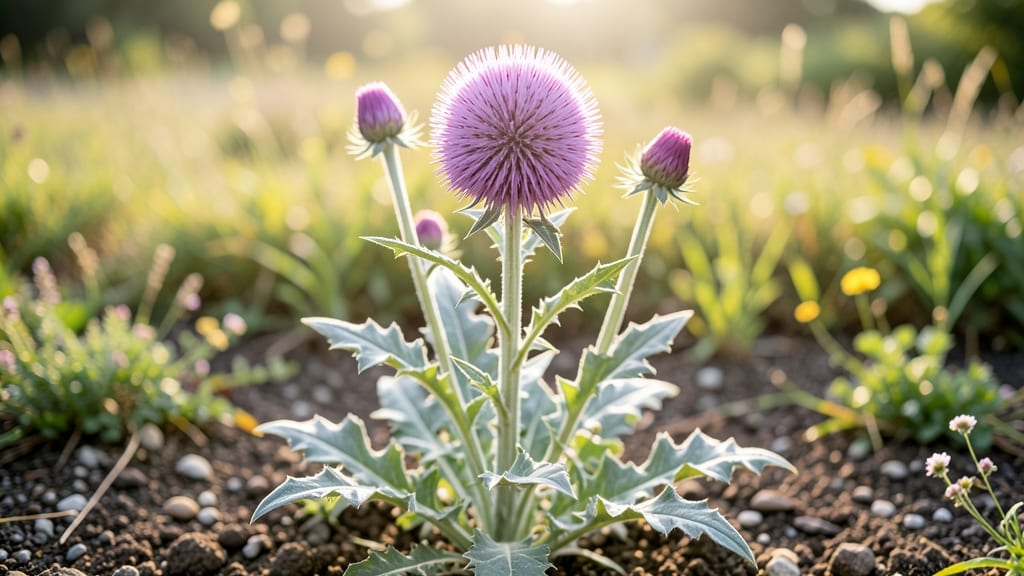
Growing Centaurea macrocephala—that stunning giant knapweed with bold purple pom-poms—is like inviting a drought-proof showstopper into your garden. 🌿 I’ve watched mine thrive in dry spells while other plants wilted, and the secret lies in its love for sun, well-draining soil, and minimal fuss.
This isn’t just a pretty face; it’s a hardy survivor that rewards patience with football-sized blooms from midsummer through fall.
The key to success starts with the right spot: full sun (at least 6 hours daily) and soil that drains like a sieve—knapweed despises soggy roots. Plant seeds ¼ inch deep in spring or early fall, or pop in transplants after the last frost.
Water lightly at first, then let nature take over; once established, it’s drought-tolerant and barely needs extra care. Just don’t overcrowd it—space plants 18–24 inches apart for those dramatic blooms to shine.
Pruning is where the magic happens. Deadhead spent blooms to encourage more flowers, and cut back ⅓ of the plant in early spring to keep it bushy. The real reward? Pollinators adore it—bees and butterflies flock to the nectar-rich blooms, making your garden a buzzing hub.
Just be cautious if you’re in a region where knapweed spreads aggressively; check local guidelines before planting.
Perfect for xeriscapes, cottage gardens, or wildflower meadows, this plant thrives where others struggle. With the right conditions, you’ll have months of effortless color—and a garden that looks stunning with almost no work. Ready to grow one?
📚 In This Guide
- What you need
- Instructions
- Tips and common mistakes
- Wrapping up and next steps
What you need
- ● Seeds: 10–20 Centaurea macrocephala seeds (organic, untreated preferred).
- ● Well-draining soil: 1–2 cubic yards of a mix with 50% native soil, 30% compost, and 20% coarse sand (or perlite).
- ○ Growing containers (optional for seedlings): 4–6 4-inch pots with drainage holes.
- ● Mulch: 1–2 inches of gravel or straw mulch to retain moisture and deter weeds.
- ● Hand trowel or transplanting spade (for digging and spacing).
- ● Garden fork (to loosen soil before planting).
- ● Watering can or hose with a gentle spray nozzle (avoid overwatering!).
- ● Pruning shears (for deadheading spent blooms).
- ○ Gloves (optional)—knapweed has prickly stems!
- ● Sunlight: A full-sun location (6+ hours/day)—this plant thrives in dry, open spaces.
- ● Climate: Hardy in USDA Zones 3–9; ideal for dry, arid regions.
- ● Water access: Minimal irrigation—knapweed is drought-resistant once established.
Step-by-step guide to planting and cultivating giant knapweed
This hardy perennial thrives with minimal fuss—here’s how to establish it for years of bold, drought-resistant blooms.
🌱 Step 1: Select the Perfect Location and Prepare the Soil
Giant knapweed loves full sun—at least 6-8 hours daily—and tolerates poor, dry soil better than most perennials. Choose a spot with well-draining soil; it despises soggy roots. If your soil is heavy clay, amend with 2-3 inches of coarse sand or grit to improve drainage before planting.
Loosen the soil to a depth of 12 inches with a garden fork, breaking up compacted layers. Giant knapweed’s deep taproot thrives when it can penetrate easily. Avoid fresh manure or high-nitrogen fertilizers—they encourage leafy growth at the expense of those striking purple blooms. A light scattering of composted leaf mold (if available) boosts organic matter without overfeeding.
🌿 Step 2: Plant at the Right Time and Depth
Spring or early fall are ideal planting windows. Space plants 18-24 inches apart—they’ll spread gradually but won’t crowd aggressively. Dig a hole twice as wide as the root ball and just as deep. Gently tease the roots if they’re circling in the container, then place the plant so the top of the root ball sits level with the surrounding soil—burying too deep suffocates the crown.
Backfill with native soil, pressing lightly to eliminate air pockets. Water deeply to settle the soil, then let it dry slightly before watering again. This prevents root rot while encouraging the taproot to seek moisture deeper in the soil. Mulch with 2 inches of gravel or coarse bark (not organic mulch) to suppress weeds and retain heat—giant knapweed’s native steppe habitat thrives in dry, sunny conditions.
☀️ Step 3: Water Sparingly and Let It Establish
For the first 2-3 weeks, keep the soil consistently moist but never soggy. After that, water only when the top 2 inches of soil feel dry—this drought-tolerant beauty hates overattention. Once established (after 6-8 weeks), water only during prolonged dry spells, as the deep roots will handle most conditions. Overwatering is the fastest way to kill it.
You’ll notice new growth in 3-4 weeks, and the first blooms will appear in late summer to early fall of the first year. The large, daisy-like flowers (up to 3 inches wide) are a magnet for pollinators. Deadhead spent blooms in fall to encourage a second flush of flowers in some climates, but leave seed heads for winter interest if you prefer a natural look.
✂️ Step 4: Prune and Maintain for Longevity
Cut back the entire plant to 4-6 inches tall in early spring before new growth emerges. This removes dead foliage, encourages bushier growth, and prevents flopping. Giant knapweed is remarkably low-maintenance—it tolerates drought, poor soil, and even light foot traffic once established. However, divide clumps every 3-4 years in early spring if they become overcrowded.
To divide, dig up the entire plant, separate the root mass into 3-4 inch sections with a clean spade, and replant immediately. The deep taproot makes division tricky, so focus on younger plants that haven’t developed a massive central root. Fertilize lightly with a low-phosphorus, balanced fertilizer (like 5-5-5) only if growth seems stunted—this plant rarely needs extra nutrients.
🌿 Step 5: Protect and Enjoy Its Natural Beauty
Giant knapweed is deer-resistant and rarely troubled by pests, but watch for aphids on new growth—blast them off with a strong spray of water if you spot them. In colder climates, the foliage may die back to the ground in winter, but the roots survive easily. In mild winters, it may retain some evergreen foliage.
This plant excels in wildflower meadows, cottage gardens, or as a focal point in dry borders. Its silvery-green foliage contrasts beautifully with deep purple blooms, and it pairs well with lavender, Russian sage, or ornamental grasses. Once established, it requires almost no care—just sit back and enjoy the show. The more you neglect it (within reason), the happier it becomes.
Tips & tricks for perfect giant knapweed cultivation
Here's what nobody tells you about making this drought-resistant beauty thrive—lessons I learned after watching my first batch struggle in soggy soil.
Sunlight Secret: While giant knapweed tolerates partial shade, those striking purple blooms only develop their full intensity with the full 6-8 hours of direct sunlight specified. I planted mine under a tree thinking it would be fine, and ended up with mostly foliage and very few flowers. The key is finding that sunny spot where it gets morning sun and afternoon light—this plant's native steppe habitat taught it to thrive in full sun conditions.
Soil Prep Strategy: The instructions mention loosening soil to 12 inches deep—don't skip this! I tried planting in my regular garden bed without proper soil prep, and the taproot couldn't penetrate the compacted layers. Use a garden fork to break up any clay or hardpan you encounter. For heavy clay soils, mix in that 2-3 inches of coarse sand or grit as directed—this creates ideal drainage conditions that prevent root rot while allowing the deep roots to establish properly.
Watering Wisdom: The 2-3 week establishment period is critical—this is when the plant develops its deep root system. I made the mistake of skipping watering once I thought it was established, and the plant nearly died. Check soil moisture by sticking your finger 2 inches deep—if it's dry at that level, water deeply but infrequently. Once established after 6-8 weeks, you'll be amazed how little water this plant actually needs compared to other perennials.
Pruning Payoff: That early spring cut back to 4-6 inches might seem drastic, but trust me—it's worth it. I resisted for years, thinking the plant would suffer, but now I do it religiously. It removes last year's dead growth, encourages new shoots from the base, and prevents the plant from flopping over. The result? Bushier growth and more of those stunning purple blooms that everyone plants this variety for.
Pro Tips for Centaurea Macrocephala Giant Knapweed
- Here's what nobody tells you about making this drought-resistant beauty thrive—lessons I learned after watching my first batch struggle in soggy soil.
- Sunlight Secret: While giant knapweed tolerates partial shade, those striking purple blooms only develop their full intensity with the full 6-8 hours of direct sunlight specified.
- Soil Prep Strategy: The instructions mention loosening soil to 12 inches deep—don't skip this!
Frequently asked questions
Got questions about Centaurea macrocephala (giant knapweed)? You’re not alone!
Here are answers to the most common queries to help you grow this stunning, drought-tolerant perennial with confidence.
Is giant knapweed invasive?
While Centaurea macrocephala isn’t as aggressive as some invasive species, it can self-seed in ideal conditions. To prevent spread, deadhead spent blooms or remove seed heads before they dry. Planting in containers or controlled garden beds can also help manage its growth.
How long does it take for giant knapweed to bloom?
With proper care, you’ll see vibrant purple blooms in the first year! Expect flowers to appear in late summer to early fall, with the plant reaching its full height (3–5 feet) by mid-summer. Patience pays off—its bold, thistle-like flowers are worth the wait!
Can giant knapweed survive drought?
Absolutely!
One of its biggest perks is exceptional drought tolerance once established. Water deeply during the first growing season to help roots develop, then reduce watering. It thrives in poor, well-drained soil—perfect for low-maintenance landscapes or xeriscaping.
Are giant knapweed flowers good for pollinators?
Yes! This plant is a pollinator magnet, attracting bees, butterflies, and beneficial insects. Its nectar-rich blooms support local ecosystems, making it a great choice for wildlife gardens. Just avoid pesticides to keep pollinators safe and happy.
What’s the best way to control giant knapweed spread?
To keep it in check, cut back stems after flowering to limit seed production. If it spreads beyond your desired area, dig up roots or use a targeted herbicide (like glyphosate) in early spring. For container gardening, prune aggressively to maintain size.
Wrapping up and next steps
Growing Centaurea macrocephala—or giant knapweed—is a rewarding way to add bold, drought-resistant beauty to your garden with minimal fuss. 🌿 With the right soil, sunlight, and a little patience, you’ll enjoy its striking purple blooms year after year, all while supporting pollinators and conserving water.
Ready to transform your outdoor space? Start by choosing a sunny spot, prepping the soil, and planting your seeds or seedlings today!
Your garden (and the bees!) will thank you. 🐝