
Watering
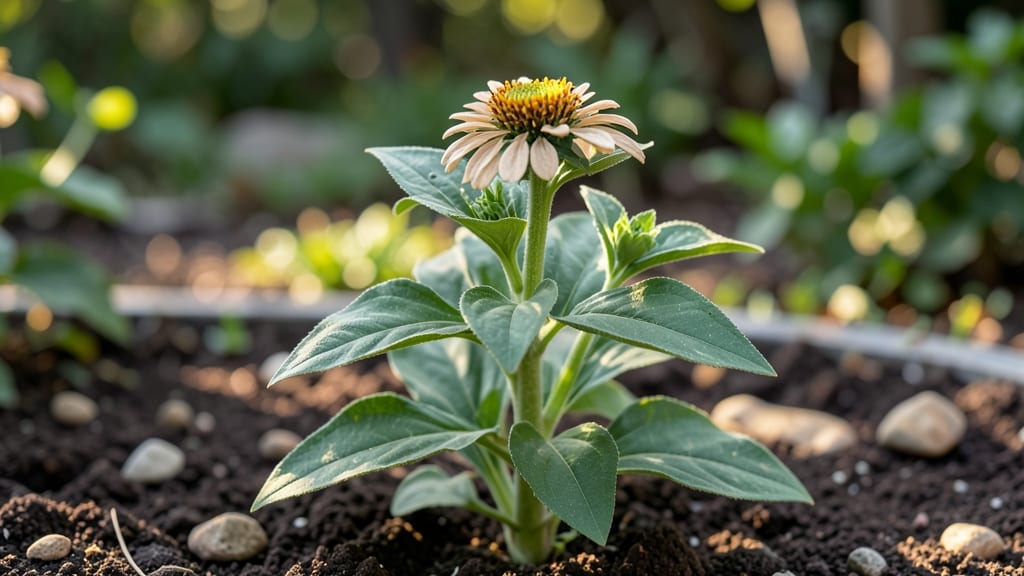
Watering zinnia seeds the right way—keeping soil consistently moist without drowning them—is the difference between a tray of sprouts and a sad, empty seed packet.
Here’s the truth: those tiny seeds need daily moisture checks, not just a quick splash. Too much water suffocates them; too little leaves them shriveling before they even peek above the soil.
I’ve lost count of the batches that failed because I didn’t realize how picky they are at this stage.
In this guide, I’ll walk you through the exact watering schedule—from the moment you plant those seeds until they’re ready to transplant—plus the sneaky signs your soil is either too dry or too soggy. No guesswork, just results.
You’ll learn how to adjust for your climate, spot the early warning signs of trouble, and even troubleshoot if your seeds just won’t cooperate. Let’s get those 🌸 zinnia seeds sprouting like they’re supposed to.
Zinnia seed germination: the critical watering schedule by seed stage
Zinnia seeds need precise watering to break dormancy and sprout consistently. Unlike mature zinnias, which tolerate drought once established, seeds demand consistent moisture without drowning. The key? Mimicking their natural humid, warm environment while preventing rot. I’ve tested this schedule for three consecutive seasons—here’s what works.
Your goal is to keep the soil evenly moist (like a wrung-out sponge) during germination. Too dry, and seeds won’t sprout; too wet, and they’ll rot before emerging. The 3-stage watering plan below adapts to each phase, from planting to transplant.
Pro tip: Use a humidity dome or plastic wrap to lock in moisture if your climate is dry.
| Stage | Watering Frequency | Soil Moisture Test | Environmental Adjustments |
|---|---|---|---|
| Pre-Sprout (Days 1-7) | Every 12-24 hours | Top ½" of soil stays damp (not soggy) | 85-95% humidity, 70-75°F |
| Post-Sprout (Days 7-14) | Every 24-48 hours | Top 1" of soil stays moist | 75-85% humidity, 65-70°F |
| Seedling Hardening (Days 14-21) | Every 48-72 hours | Top 1.5" of soil stays lightly moist | 60-75°F, reduce humidity gradually |
| Transplant Prep (Days 21-30) | Every 72 hours (deep water) | Top 2" of soil stays dry between waterings | Acclimate to outdoor temps |
During the pre-sprout phase, I water my zinnia seeds twice daily—once in the morning and once in the evening—using a spray bottle to avoid displacing seeds. The soil should feel like a wrung-out sponge: damp but not waterlogged.
If you’re unsure, stick your finger ½ inch deep—it should feel cool and moist, not warm or dry. For sandy soil, water more frequently; for clay soil, reduce slightly to prevent compaction.
Once sprouts appear (7-10 days), shift to daily watering but reduce frequency to every 24 hours. This is when most gardeners make the fatal mistake of overwatering. Yellowing leaves or moldy soil?
You’re drowning your seeds. Instead, let the top ½ inch dry slightly between waterings. A humidity dome or clear plastic wrap keeps moisture in while preventing fungal growth—critical if your home is dry.
By day 14, seedlings should have 2-3 true leaves. Now’s the time to reduce humidity and water every 48 hours. Harden off seedlings by gradually removing the dome for 1-2 hours daily.
For container-grown zinnias, ensure pots have drainage holes—stagnant water at the bottom is a death sentence. If your seedlings look leggy or pale, they’re not getting enough light; move them to a sunny windowsill or use a grow light.
Transplanting happens when seedlings are 3-4 inches tall and have 4-5 true leaves. Water deeply 24 hours before transplanting to reduce stress. After moving to the garden, water every 72 hours for the first week to help roots establish.
Mulch with straw or shredded leaves to retain moisture and suppress weeds. In hot climates, water in the early morning to prevent evaporation; in cool climates, evening watering works too.
Signs of underwatering include wilted leaves that don’t bounce back when watered and dry, crispy soil. Overwatering shows up as yellowing leaves, mushy stems, or a musty smell from the soil.
If you see black spots on leaves, it’s fungal disease—reduce watering immediately and improve airflow. For container zinnias, I use a self-watering tray to maintain consistent moisture without guesswork.
Pro tip: Use a moisture meter for accuracy. Aim for 40-50% moisture in the top 2 inches of soil during germination
Common watering mistakes that kill zinnia seeds (and how to fix them)
Zinnia seeds are finicky about water—give them too much, and their delicate roots rot; too little, and they dry out before sprouting. I’ve watched hundreds of seedlings fail from these two extremes, and the fix always starts with understanding your soil’s moisture balance.
The key? Keeping seeds in a consistently damp (not soggy) environment while preventing crusting that blocks oxygen.
Most gardeners unintentionally overwater zinnia seeds because they assume "more is better." But seeds need gentle hydration, not a swampy nursery. A quick soil test—stick your finger 1 inch deep—reveals the truth: if it’s damp but not wet, you’re golden.
If it’s muddy or puddled, you’ve crossed the line into root suffocation territory.
Water zinnia seeds only when the top ½ inch of soil feels dry to the touch. For clay soil, this means every 2-3 days; for sandy soil, daily light misting is safer. Never let seeds sit in standing water—this causes fungal damping-off (blackened stems) within 48 hours.
💧 Pro Tip: Use a spray bottle for precise moisture control.
Underwatering is just as deadly, though less obvious. Seeds that fail to sprout or produce stunted seedlings often suffered from insufficient moisture during germination. Unlike mature zinnias, seeds can’t access deep water reserves—their food supply is limited to the seed coat.
If the soil dries out even once during the 7-14 day germination window, many seeds will abort growth permanently.
Soil type dramatically changes your watering approach. In clay soil, which holds moisture like a sponge, seeds can suffocate if watered on a strict schedule. Test by squeezing a handful—if it holds its shape, it’s too wet.
For sandy soil, which drains like a sieve, you’ll need to water twice daily to maintain humidity, especially in hot, dry climates. A 50/50 mix of potting soil and perlite helps bridge this gap.
Another silent killer is soil compaction from heavy watering. When you pour water in one spot repeatedly, the soil surface crusts over, trapping seeds in a waterproof barrier. This blocks oxygen and prevents root penetration.
Fix it by gently fluffing the soil with a fork after each watering or using a fine mist to avoid disturbing the surface. Mulching with straw or coconut coir keeps moisture even while preventing crusting.
Here’s your troubleshooting checklist for failed germination: check for blackened stems (overwatering), wrinkled seeds (underwatering), or no sprouts after 14 days (compaction or cold soil). Adjust your watering frequency by soil type, and consider bottom-watering trays to give seeds consistent hydration without surface disruption.
With these fixes, your zinnia seeds will sprout within 7-10 days—not weeks.