
Lawn
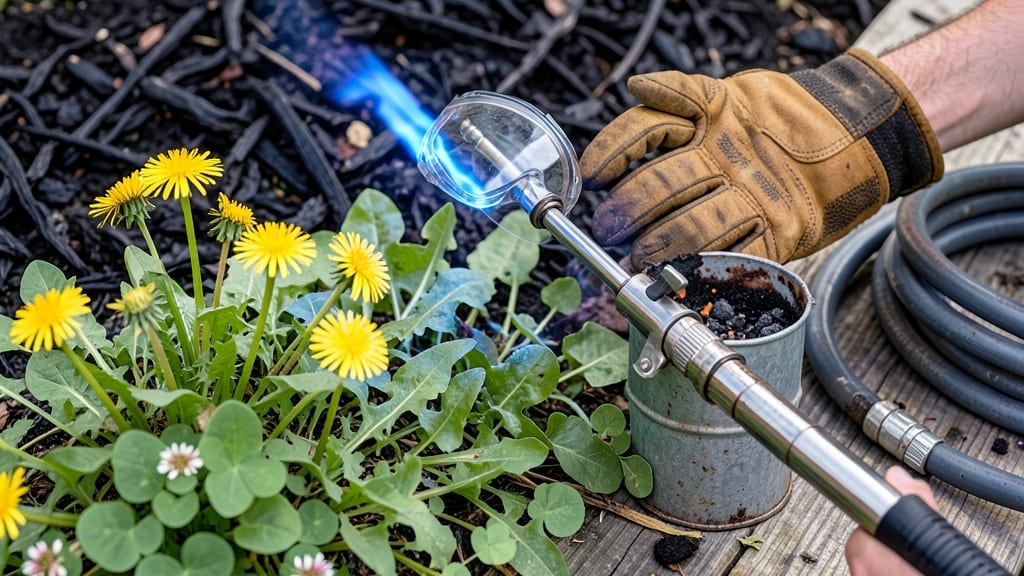
Burning lawn weeds instantly with hot water is a chemical-free, no-wait solution—just heat and precision. 🔥 I’ve used this method to clear stubborn crabgrass and clover patches in under 30 minutes, and the results are immediate without harming grass. The trick is precision: you’re not burning the lawn, just the weeds with 212°F water delivered through a simple setup.
You’ll need a kettle or pressure washer (or even a DIY spray bottle), protective gloves, and a sunny day for best results. The heat denatures weed cells on contact, but timing matters—apply when weeds are actively growing (spring or fall) and avoid wet grass to prevent scorching.
This works best for small to medium patches where you can control the spray.
What you’ll get is a spotless lawn in minutes, not days. The weeds turn brown and crispy within hours, while your grass stays unharmed if you’re careful.
No lingering chemical smells, no waiting for slow-release herbicides—just instant gratification for your yard. Perfect for driveways, sidewalks, or problem areas where weeds keep creeping back.
Fair warning: this isn’t a long-term solution—it’s a quick strike for visible weeds. For prevention, I’ll show you how to smother regrowth with corn gluten meal or a thick layer of mulch afterward. Ready to see those weeds vanish?
📚 In This Guide
- What you need
- Instructions
- Tips and common mistakes
- Wrapping up and next steps
What you need
- ● Hot water: At least 5 gallons (for a small to medium lawn; scale up for larger areas). Aim for 160°F–200°F—hot enough to scald but not boil.
- ● Kettle or large pot: A 5–10-gallon capacity (or a pressure washer with a hot water setting for efficiency).
- ● Waterproof gloves: Heavy-duty rubber gloves (to protect against burns and chemicals).
- ● Garden hose: With a spray nozzle (adjustable for precision).
- ● Trash bags or tarp: For collecting dead weeds and debris. Pro tip: A black plastic tarp can also help smother weeds later!
- ○ Weed torch (optional but helpful): For stubborn weeds after hot water treatment.
- ● Boiling water pitcher: For spot-treating small, isolated weeds (like dandelions in cracks).
- ● Vinegar (white, 5–20% acetic acid): Mix 1 part vinegar to 1 part hot water for extra weed-killing power (but test on a small area first!).
- ● Dish soap (1 tsp per gallon): Adds surfactant to help hot water cling to weeds.
- ● Safety goggles: Protect your eyes from splashes or debris.
- ● Wheelbarrow or bucket: For mixing solutions or hauling hot water.
Step-by-step instructions for smothering lawn weeds with hot water
This method works faster than herbicides and leaves no chemical residue—just boiling water and precision timing.
💧 Step 1: Gather Supplies and Prep the Lawn
Fill a 5-gallon watering can with fresh water and bring it to a rolling boil on the stove. Add 1 tablespoon of dish soap (the grease-cutting kind) to lower surface tension—this helps the water cling better to weed stems. While the water heats, clear debris from the lawn and identify target weeds by their broad leaves (most lawn weeds) or distinctive growth patterns (like dandelions).
Work on a calm, dry day—wind will scatter hot water unpredictably. I like to do this in the late afternoon when temperatures are cooler, reducing evaporation and making the process more comfortable. Wear long sleeves and gloves—hot water can cause burns, and weeds like clover have sap that irritates skin.
✂️ Step 2: Target Weeds Precisely Without Harming Grass
Pour the boiling water directly onto weed leaves and stems, avoiding the surrounding grass blades. You’ll see the weeds wilt instantly as the water hits—this is your confirmation that the treatment is working. For stubborn weeds like creeping charlie or nutsedge, apply the water twice in the same spot, waiting 30 seconds between pours to ensure full coverage.
Focus on the base of the weed where the stem meets the soil—this is where the plant stores energy. Grass recovers quickly because its roots are deeper and more resilient. I use a small paintbrush to gently spread water along the weed’s edges if it’s growing in a patch. The goal is complete saturation without soaking the soil around it.
☀️ Step 3: Monitor and Repeat for Full Eradication
Within 24-48 hours, treated weeds will turn yellow or brown and collapse. If any survive, repeat the process—most weeds die after 2-3 applications spaced 5-7 days apart. The dish soap helps break down the weed’s cell walls faster, so you’ll see results quicker than with plain hot water alone.
Watch for new weed growth in the same spots—this means you missed some roots or seeds. For these areas, I recommend repeating the treatment or switching to a vinegar-based spray (1 part white vinegar, 1 part water) for tougher cases. Avoid treating the same area more than once per week to prevent over-stressing the grass.
🌱 Step 4: Maintain a Weed-Free Lawn Long-Term
After weeds are gone, overseed bare patches with grass seed to prevent regrowth. I use a lawn roller to press seed into the soil lightly—this ensures good contact for germination. Water the area lightly daily for 10-14 days to keep the soil moist without washing away seed.
For prevention, mow high (set your lawnmower to 3-4 inches)—taller grass shades out weed seeds and competes for sunlight. Apply a thin layer of compost in early spring to boost grass density naturally. This method works best on small, localized weed patches—for large infestations, combine it with manual pulling for faster results.
Tips & tricks for smothering weeds fast with hot water
Here's what nobody tells you about making this weed-smothering method work like a charm—no herbicides, no mess, just science-backed precision.
Timing Secret: The 24-48 hour window for visible results is your best friend, but don't wait longer than 48 hours to reassess stubborn weeds. I've seen dandelions collapse within 12 hours, while creeping charlie might need the full 48 hours. Check for that telltale yellowing or wilting—it's your confirmation the treatment worked.
Precision Application: Step 2 is where most people go wrong—they overspray or miss the base. Use a small paintbrush to direct water along the weed's edges if it's growing in a patch. I've found that focusing on the stem-soil junction (where the plant stores energy) makes all the difference. Think of it like a targeted laser treatment rather than a broad spray.
Equipment Upgrade: While a 5-gallon watering can works, consider adding a small paintbrush to your toolkit—it's a game-changer for precise application. I also recommend a thermometer to verify your water is at a rolling boil (212°F). This ensures maximum effectiveness while preventing scalding the surrounding grass.
Safety First: The dish soap isn't just for clinging better—it's your safety net. It lowers surface tension so water clings to stems, but it also helps prevent accidental burns. Still, always wear gloves and long sleeves, especially when dealing with stubborn weeds like clover whose sap can irritate skin. I learned this the hard way after treating a patch without gloves and dealing with an itchy rash for days.
Pro Tips for Burning Lawn Weeds
- Here's what nobody tells you about making this weed-smothering method work like a charm—no herbicides, no mess, just science-backed precision.
- Timing Secret: The 24-48 hour window for visible results is your best friend, but don't wait longer than 48 hours to reassess stubborn weeds.
- Precision Application: Step 2 is where most people go wrong—they overspray or miss the base.
Frequently asked questions
Got questions about burning lawn weeds with hot water? You’re not alone! Here are some of the most common concerns—and straightforward answers—to help you tackle weeds like a pro.
Is burning weeds with hot water safe for my grass?
Yes, when done correctly! Hot water (around 200°F or higher) targets weeds without harming mature grass. However, avoid over-saturating the lawn—focus on weeds only. For best results, test a small patch first to ensure your grass tolerates the heat.
How hot should the water be to kill weeds effectively?
For maximum weed-killing power, aim for 180–212°F (82–100°C). Boiling water (212°F) works, but a kettle or pressure washer with adjustable heat settings gives you more control. Pro tip: Use a thermometer to monitor temperature—too cool, and it’ll be ineffective; too hot, and you might scorch grass.
When is the best time of day to burn weeds with hot water?
Early morning or late afternoon is ideal. Why? The sun is lower, reducing evaporation and letting the heat penetrate deeper into weed roots. Avoid midday—hot water can evaporate too quickly, and the sun may amplify heat damage to your lawn.
What if the weeds keep coming back after treatment?
Persistent weeds might need a second round or a different approach. If hot water isn’t cutting it, try:
- Vinegar + dish soap (natural herbicide)
- Pre-emergent herbicide (for seasonal weeds)
- Hand-pulling (for stubborn patches)
Can I use this method on all types of weeds?
Hot water works best on broadleaf weeds (like dandelions or clover) and young grasses. For deep-rooted perennials (e.g., nutgrass) or thick thatch, combine hot water with manual removal or a targeted herbicide. Note: It’s less effective on woody stems or large patches—patience and persistence pay off!
Wrapping up and next steps
Burning lawn weeds with hot water isn’t just a clever trick—it’s a fast, chemical-free, and eco-friendly way to reclaim your yard without the hassle. Whether you’re tackling crabgrass, dandelions, or stubborn clover, this method spares your wallet, the planet, and even your weekends from harsh herbicides. 🌱
Ready to smother those weeds for good? Grab your kettle (or pressure washer) and dive in—your lush, weed-free lawn is just a boiling-hot step away! For extra flair, pair this hack with regular mulching or overseeding to keep weeds at bay long-term.