
Pests
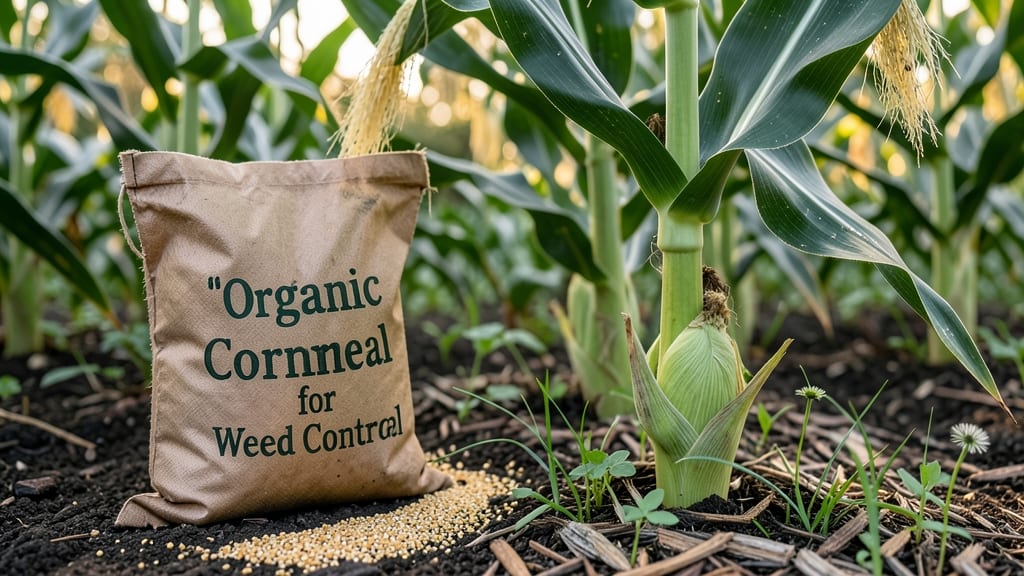
Using corn meal for weed control smothers weeds by blocking sunlight and dehydrating them, stopping new growth and breaking down safely in 1-2 weeks without harming plants or soil.
Corn meal works as a natural weed suppressant because it creates a thick, dry barrier that chokes out weeds by cutting off their access to sunlight and moisture. 🌱 Unlike chemical herbicides, it doesn't leave toxic residues, making it perfect for organic gardens.
I've found it especially effective in garden beds where I want to prevent weeds from sprouting in the first place—just sprinkle a thick layer before planting and water lightly to activate it.
What sets corn meal apart is its dual action: it not only blocks light but also absorbs moisture, creating an inhospitable environment for weed seeds. This makes it a great pre-emergent treatment for areas where you're planning to plant later, as it stays effective until it naturally breaks down.
For existing weeds, pairing it with hand-pulling gives even better results.
💡 In This Article
- How Corn Meal Starves Weeds Without Chemicals
- Best Application Methods for Corn Meal Weed Prevention
How corn meal starves weeds without chemicals
Corn meal works as a natural weed suppressant through a two-pronged attack: it physically blocks sunlight and absorbs moisture from the soil.
When you spread a ¼-½ inch layer over garden beds, the fine particles create a dense barrier that prevents weed seeds from receiving the 12-16 hours of light they need to germinate.
This is similar to how organic mulches like straw work, but corn meal has the added benefit of breaking down completely in 1-2 weeks without leaving residue.
The moisture absorption happens because corn meal contains starch granules that swell when exposed to water, creating a dry microclimate beneath the surface. This dehydrates existing weed seedlings by cutting off their water supply, which is especially effective in areas with high humidity or frequent rainfall.
Unlike chemical herbicides that kill plants by disrupting cellular processes, corn meal simply creates an environment where weeds can't survive—making it safe for edible gardens and compost piles.
What makes corn meal unique compared to other organic mulches is its fine particle size. While straw or wood chips create gaps where weeds can sprout through, corn meal's powdery texture fills those spaces completely.
Think of it like a natural version of landscape fabric, but one that decomposes harmlessly. The breakdown process also adds organic matter to the soil, improving its structure over time—something chemical herbicides never do.
For best results, apply corn meal when soil temperatures are above 60°F, as warmer conditions accelerate both weed germination and the corn meal's breakdown. In cooler climates, you might need to reapply every 2-3 weeks during active growing seasons.
The key is maintaining that ¼-½ inch layer consistently, which is about the thickness of a standard business card.
One common misconception is that corn meal only works for preventing weeds, but it also helps control existing weeds when used in combination with other methods. For example, if you apply corn meal after pulling weeds by hand, it prevents new ones from sprouting in the disturbed soil.
This multi-step approach is why many organic gardeners consider it a cornerstone of their weed management strategy.
Consider this comparison: A ½ inch layer of corn meal blocks about 90% of weed seeds from germinating, while the same thickness of straw might only block 60-70% due to its uneven coverage.
The difference comes down to how completely each material covers the soil surface—corn meal's uniform texture gives it the edge in weed suppression effectiveness.
For gardeners concerned about pests, corn meal is also rodent-resistant and won't attract insects like some organic mulches can. This makes it a versatile choice for both vegetable gardens and ornamental landscapes where you want to maintain a clean, weed-free appearance without chemical interventions.