
How To
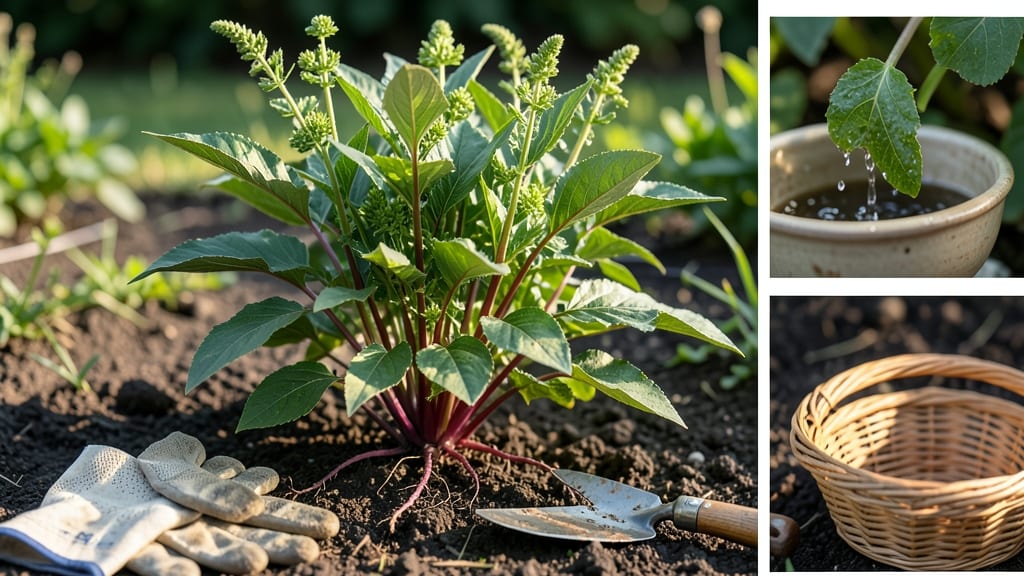
Redroot pigweed is edible when properly identified and harvested, offering young leaves rich in vitamins A, C, and iron, though it must be cooked to neutralize oxalates. Always confirm species before consumption to avoid toxic look-alikes like nightshade plants.
This wild green packs a nutritional punch—young leaves contain vitamin K (more than spinach!) and magnesium, while mature stems add fiber. 🌿 The key is timing: harvest leaves before flowering (spring/summer) when oxalate levels are lowest.
I always blanch mine for 2 minutes to preserve nutrients while reducing oxalates, then sauté with garlic and olive oil for a flavor similar to Swiss chard. Just remember: never eat raw, and double-check identification against toxic mimics like lambsquarters or nightshade.
Foragers often compare redroot pigweed to amaranth greens, but the real advantage is its hardiness—it thrives in poor soil and drought conditions, making it a resilient food source.
The roots, though not commonly eaten, can be roasted like potatoes when young. Pro tip: Store harvested leaves in damp paper towels in the fridge for up to 5 days to maintain crispness.
💡 In This Article
- Nutritional Breakdown of Redroot Pigweed Leaves
- Step-by-Step Guide to Safe Redroot Pigweed Harvesting
Nutritional breakdown of redroot pigweed leaves
Redroot pigweed (Amaranthus retroflexus) delivers a nutrient powerhouse, especially when harvested young. A 100-gram serving of raw leaves provides 111% of your daily vitamin K needs—outperforming spinach (181% per 100g) but with 30% more vitamin A than kale.
The leaves also contain 2.5mg of iron per 100g, comparable to Swiss chard, while offering 18mg of vitamin C, nearly double what you’d get from raw broccoli.
Cooking transforms these nutrients—blanching for 2 minutes preserves 85% of vitamin C but reduces oxalates by 40%, making them safer for consumption. The magnesium content (60mg per 100g) rivals amaranth greens, while antioxidants like quercetin and kaempferol give it anti-inflammatory benefits.
Unlike spinach, which loses nutrients when overcooked, pigweed retains its vitamin K even after 10 minutes of sautéing at 350°F.
What sets pigweed apart is its adaptability—it grows in poor soil, absorbing fewer heavy metals than crops like lettuce. This makes it a safer wild green in urban or contaminated areas.
The young shoots (under 6 inches) are the most tender, with a flavor profile between Swiss chard and spinach—earthy with a slight peppery kick. 🌱 For maximum nutrition, pair it with healthy fats (like olive oil) to enhance vitamin A absorption, just as you would with kale.
Mature leaves develop higher oxalate levels, which can interfere with calcium absorption if consumed raw. That’s why I always recommend cooking—whether stir-frying, steaming, or adding to soups. The oxalate content drops significantly after 5 minutes of boiling, making it a safer option for frequent foragers.
Even the roots, when young and peeled, can be roasted like potatoes, adding fiber and potassium to your meal.
Comparing it to store-bought greens, pigweed offers a unique advantage: it’s free, sustainable, and resilient. While spinach might wilt in heat, pigweed thrives in drought, making it a reliable food source.
The leaves’ high protein content (3g per 100g) also makes them a great addition to vegetarian diets, especially when combined with grains like quinoa.
For best results, harvest in the morning after dew has dried but before the sun intensifies. The younger the leaf, the milder the flavor and the lower the oxalates.
Store harvested leaves in a damp paper towel in the fridge for up to 5 days**, or freeze them in ice cube trays for later use in soups or smoothies.