
Watering
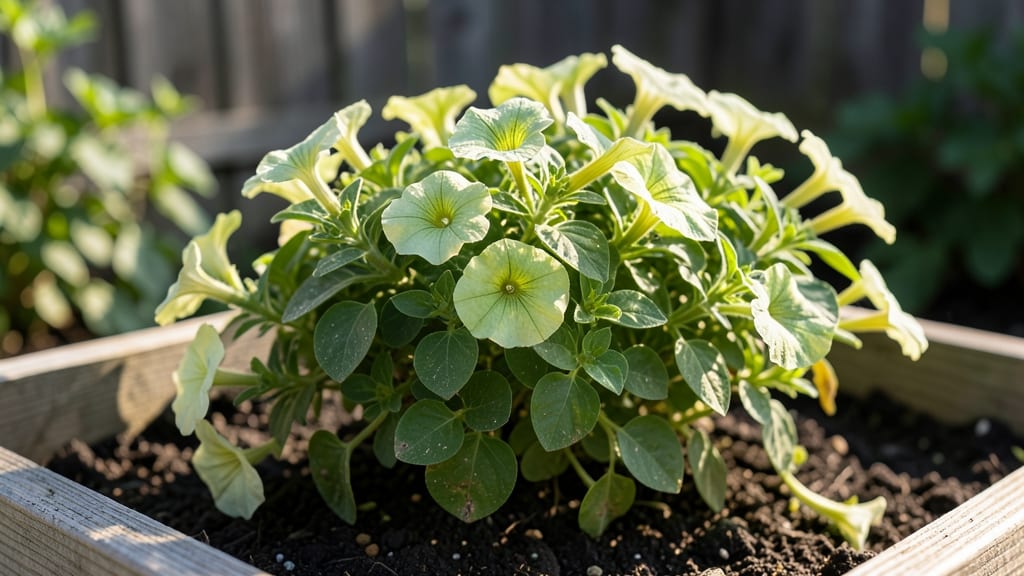
Watering petunia hanging baskets often enough keeps them blooming all season long—daily to every other day is the sweet spot, but the real trick is checking soil moisture before you pour.
Struggling to keep your 🌸 petunia baskets vibrant and blooming all season? Overwatering or underwatering can turn your lush display into a sad, wilted mess—here’s the science-backed watering schedule that works.
Hanging baskets dry out twice as fast as ground-level pots, and petunias need consistent moisture to thrive. That means skipping the "set it and forget it" approach—your baskets are silently screaming for attention when the soil feels like sandpaper.
Below, I’ll show you the finger test that saves time, how to adjust for summer heat or rainy spells, and the one mistake that kills petunias faster than drought. No guesswork, just blooms that last.
The perfect watering schedule for petunia hanging baskets (by season)
Petunias in hanging baskets are like thirsty divas—they demand consistent moisture to keep those vibrant blooms popping all season. But here’s the catch: overwatering can drown their roots while underwatering turns them crispy.
The key? A seasonal watering rhythm that adapts to temperature, humidity, and even your local climate. Let’s break it down so your petunias stay happy from spring to fall.
Hanging baskets dry out faster than in-ground plants because their roots hang exposed to air. Morning watering is your best friend—it gives roots time to absorb moisture before the heat of the day. Evening watering risks fungal diseases like powdery mildew, which petunias hate.
Plus, wet leaves overnight can turn your gorgeous blooms into a sad, spotted mess. Think of it like a sunrise wake-up call for your plants!
Now, let’s dive into the seasonal watering schedule tailored for petunias. The table below shows how often to water based on the season, but remember: always check soil moisture first—it’s the golden rule. Here’s your cheat sheet:
In spring, petunias wake up hungry after winter. The soil is cooler, so water every 1-2 days to encourage root growth. Think of it like revving up a car engine—gentle but consistent.
If you notice yellowing leaves, it’s often a sign of overwatering, while drooping blooms mean they’re thirsty. Adjust based on rainfall too—spring showers can buy you an extra day between waterings.
Summer is the high-stakes season for petunias. With temperatures soaring, hanging baskets can dry out in as little as 4 hours on a hot day. Water daily in full sun, but if your baskets are in partial shade, you can stretch it to every other day.
Pro tip: Use a watering can with a long spout to reach the center of the basket where roots hide. Skip the sprinkler—it wastes water and can damage delicate petunia blooms.
As fall arrives, the air cools, and your watering schedule should ease up too. Petunias slow down their growth, so every 2-3 days is plenty. This is also the time to reduce fertilizer—too many nutrients late in the season can lead to weak growth.
Watch for morning dew on leaves; if it’s heavy, hold off on watering until it evaporates. Cooler nights mean less evaporation, so let the soil dry out a bit more between waterings.
When winter rolls around, most petunias go dormant, especially in colder climates. If you’re in a mild zone (like USDA Zone 8+), you can keep baskets alive with bi-weekly watering. But if frost is in the forecast, it’s time to retire your baskets until spring.
Store them in a cool, dry place and give them a light drink every few weeks to prevent soil from becoming a brick. Trust me, your petunias will thank you next spring!
One last secret: mulch your baskets with sphagnum moss or coconut coir. It locks in moisture and keeps roots cool. Plus, it looks gorgeous cascading over the sides.
For extra insurance, place baskets on elevated stands—this improves airflow and prevents water from pooling at the bottom. Now you’re speaking petunia!
Remember, every garden is unique. If you’re in a humid climate, you might water less often, while windy areas will dry bask
Master the finger test: how to check soil moisture like a pro
You’ve got your petunia hanging baskets watered on a schedule, but how do you know if they’re getting just the right amount? The finger test is your secret weapon—it’s free, foolproof, and gives you instant feedback.
Unlike guesswork, this method tells you exactly when to water based on soil moisture levels and root zone conditions. Plus, it works for every basket material, from plastic to coconut fiber to ceramic. Let’s dive into the science behind it so you never over- or underwater again.
Here’s the golden rule: stick your finger 1-2 inches deep into the soil. This is where most petunia roots hang out, thirsty for moisture. If the soil feels dry and crumbly, it’s time to water. If it’s damp but not soggy, wait another day.
The key is consistency—petunias hate dry soil but despise waterlogged roots even more. Think of it like checking your plant’s pulse: too dry, and it wilts; too wet, and it suffocates.
- Step 1: Choose the Right Spot
Pick a spot near the center of the basket where roots are most concentrated. Avoid the edges, where soil dries faster. - Step 2: Insert Your Finger
Gently push your index finger 1-2 inches deep (about knuckle-deep). This matches where petunia roots actively absorb water. - Step 3: Check Soil Texture
- Dry & Crumbly: Water immediately—roots are parched!
- Slightly Moist: Wait 24 hours; soil holds enough moisture.
- Wet/Soggy: Hold off—risk of root rot in hanging baskets.
- Step 4: Adjust for Basket Type
- Plastic Baskets: Dry faster; check daily in summer.
- Coconut Fiber: Retains moisture longer; check every 2 days.
- Ceramic Baskets: Slow to dry; test depths up to 2 inches.
- Step 5: Time It Right
Always test in the morning after watering. Evening tests can trick you—soil may feel damp from overnight humidity.
Pro tip: Use two fingers for accuracy—one in the center and one near the edge. If the edge is dry but the center is moist, your water isn’t reaching all roots. This is especially common in large hanging baskets where water pools in the middle.
To fix it, tilt the basket while watering or use a long-spout watering can to hit every corner. Petunias will reward you with bigger blooms when their roots get even moisture.
Watch for visual cues too. If your petunias’ leaves start curling at the edges or flowers droop by midday, they’re begging for water. But if the soil feels damp and leaves turn yellow with brown spots, you’re overdoing it.
The finger test cuts through the confusion—no more guessing games! Remember, petunias in hanging baskets need moisture like we need coffee in the morning. Skip the test, and you risk turning your vibrant display into a sad, wilted mess.
One last trick: Keep a watering journal for a week. Note when you water, how deep the soil was, and how your petunias respond. You’ll start recognizing patterns—like how your plastic baskets dry out faster on windy days or how ceramic baskets stay moist longer in shady spots.
Soon, you’ll be a moisture-monitoring pro, and your petunias will thank you with nonstop blooms all season long.
Now grab your finger and get testing—your petunias’ future depends on it! 🌸