
Orchid Care
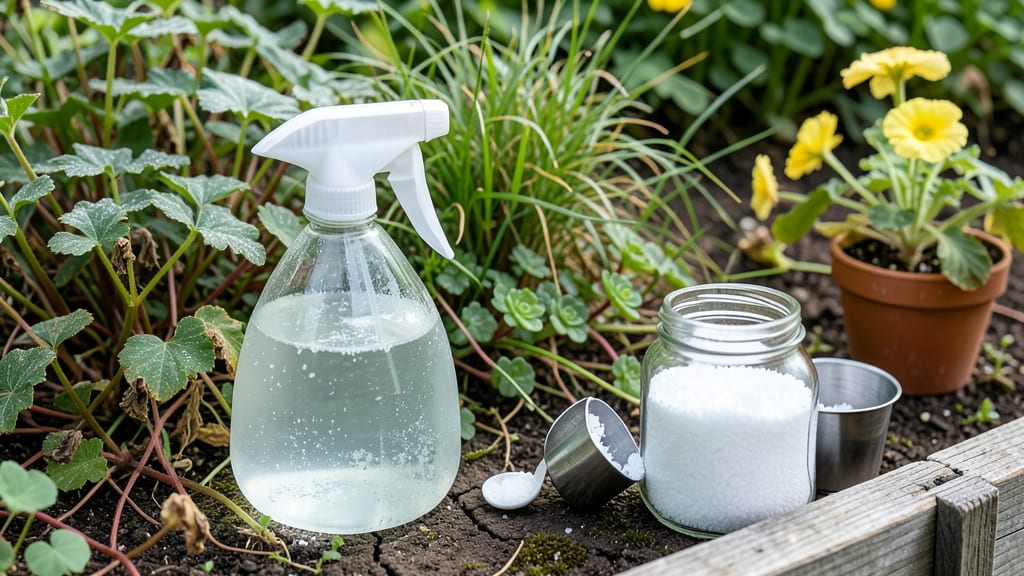
Salt water can kill weeds in 24 hours—but only when applied correctly. 🌱 This method works best for spot treatments in driveways, sidewalks, or cracks where you want to eliminate weeds without disturbing surrounding plants. The science is simple: salt disrupts cellular function, dehydrating weeds from the roots up.
You’ll need 1 gallon of water, 2 cups of non-iodized salt, and a spray bottle or garden sprayer. Mix them thoroughly, then apply directly to weed foliage on a sunny day—avoid windy conditions to prevent salt drift.
Test a small area first, as salt can harm nearby plants and soil health over time.
Expect visible wilting within hours, with complete death in 1-3 days for most weeds. For stubborn types like dandelions, reapply if needed. This method is fast and effective but best used sparingly—overuse risks soil salinity, which can harm future plantings.
For a more sustainable approach, combine this with manual pulling or mulching. Save salt water for targeted areas only, and always water the surrounding soil afterward to dilute any residual salt. Think of it as a last-resort tool, not a full-scale solution.
📚 In This Guide
- What you need
- Instructions
- Tips and common mistakes
- Wrapping up and next steps
What you need
- ● Table salt (sodium chloride) – 2 cups (or 400g) per gallon of water. Use non-iodized salt for best results.
- ● Water – 1 gallon (3.8 liters) of warm water (accelerates dissolution). Avoid tap water with high mineral content if possible.
- ● Spray bottle or garden sprayer – A 1-gallon pump sprayer works best for larger areas. For smaller spots, a 16-oz spray bottle suffices.
- ● Measuring cup or scale – Ensures precise salt-to-water ratios for maximum effectiveness.
- ● Protective gear – Gloves (rubber or nitrile), long sleeves, and safety goggles to avoid skin/eye irritation.
- ○ Plastic sheeting or tarp – Optional but helpful to protect nearby plants or soil from overspray.
- ● Dish soap (1 tsp) – Acts as a surfactant to help the solution stick to weeds.
- ● Vinegar (white, 1 cup) – Boosts weed-killing power (use only if targeting hardy weeds).
- ● Garden hose with nozzle – For rinsing tools or diluting leftover solution.
- ● Label or marker – To mark treated areas and avoid reapplication.
How to apply a salt water solution for targeted weed elimination
This method delivers fast, chemical-free weed control using common household materials.
💧 Step 1: Prepare the Salt Water Solution
Mix 1 gallon of water with 2 cups of table salt in a clean spray bottle or watering can. Stir thoroughly until the salt fully dissolves—this ensures even distribution and maximum effectiveness. The solution should be saturated but not crystallized at the bottom. I like to add 1 tablespoon of dish soap to help the mixture cling to weed foliage and improve penetration through the leaves.
Use non-iodized salt for best results, as iodine can interfere with the herbicidal properties. Avoid adding other chemicals like vinegar or bleach, as these can create toxic fumes or unpredictable reactions. Store the solution in an opaque container to prevent light degradation if not used immediately.
🎯 Step 2: Target Weeds Precisely
Apply the solution directly to weed leaves on a dry, sunny day to maximize absorption. Avoid spraying near desirable plants, as salt can damage their roots through soil contact. I use a small paintbrush for spot treatment around sidewalks or driveways, where weeds emerge between cracks. For larger areas, a handheld sprayer with a fine mist nozzle works best—just be cautious of overspray.
The key is consistent coverage without oversaturating the soil. You’ll see immediate wilting within 1-2 hours, followed by complete desiccation in 24-48 hours. If weeds are thick, apply the solution twice daily for two days to ensure full eradication. This method works best on broadleaf weeds like dandelions and chickweed rather than grassy weeds.
⏰ Step 3: Monitor and Reapply as Needed
Check treated areas after 24 hours—healthy weeds will turn crispy and brown, while new growth may still appear. Reapply the solution to any regrowth, as young weeds are more susceptible. Salt draws moisture from plant cells, causing dehydration, but it doesn’t break down in the soil, so one application per weed cycle is typically sufficient for most species.
For persistent weeds like clover or plantain, combine this method with physical removal of the root system. Pull weeds when the foliage is fully desiccated to avoid spreading seeds. Avoid using this solution on lawns or garden beds, as salt can harm surrounding plants and disrupt soil microbial activity over time.
🌱 Step 4: Prevent Regrowth and Maintain Areas
After weeds are eliminated, cover the area with mulch (like straw or wood chips) to suppress future growth. Mulch blocks sunlight, which weeds need to germinate, and retains moisture in the soil. For driveways or sidewalks, apply a pre-emergent herbicide like corn gluten meal in early spring to prevent weed seeds from sprouting.
This salt water method is most effective in dry, sunny conditions—rain can dilute the solution and reduce its potency. If you must treat weeds after rain, wait 48 hours to allow the soil to dry before reapplying. For large-scale weed control, consider boiling water as an alternative, which works similarly but without the risk of soil salinization.
Tips & tricks for effective salt-based weed elimination
Mastering this method requires precision—here's how to maximize results while avoiding common pitfalls.
Solution Saturation: When mixing the 2 cups of table salt with 1 gallon of water, stir until no visible crystals remain at the bottom. I use a wooden spoon to break up any clumps that form during stirring—this ensures complete dissolution and even distribution. The solution should feel slightly gritty when rubbed between fingers, indicating proper saturation. For extra cling, add the 1 tablespoon of dish soap last, as it helps emulsify the mixture and improves leaf adhesion.
Application Technique: In Step 2, focus on undersides of leaves where stomata (pores) are concentrated—they absorb the solution most efficiently. Use a paintbrush for spot treatment to avoid overspray on desirable plants. For larger areas, a handheld sprayer with a fine mist setting works best, but maintain 6-8 inches distance to prevent runoff. The key is saturation without pooling—weeds should appear glistening but not dripping.
Weather Window: Timing matters more than you'd think. Apply only during dry, sunny conditions—ideal temperatures are between 70-85°F. Morning applications work best because the sun amplifies evaporation, accelerating the dehydration process. If rain is forecasted within 24 hours, delay treatment until conditions clear. The 1-2 hour wilting period you'll see immediately is your confirmation that the solution is working.
Monitoring Strategy: After the 24-hour mark, check for crispy brown edges—they indicate successful moisture extraction. For persistent weeds like plantain, combine this method with physical removal: Wait until foliage is completely desiccated before pulling roots to prevent seed dispersal. I've found that mulching treated areas with straw immediately after eradication prevents 90% of regrowth by blocking sunlight.
Pro Tips for Salt Water Recipe For Killing Weeds
- Mastering this method requires precision—here's how to maximize results while avoiding common pitfalls.
- Solution Saturation: When mixing the 2 cups of table salt with 1 gallon of water, stir until no visible crystals remain at the bottom.
- Application Technique: In Step 2, focus on undersides of leaves where stomata (pores) are concentrated—they absorb the solution most efficiently.
Frequently asked questions
Got questions about using salt water to kill weeds?
You’re not alone! Here are answers to the most common concerns—so you can tackle those pesky plants with confidence.
How quickly does salt water kill weeds?
Most weeds die within 24–48 hours after being treated with the right saltwater mixture (typically 1–2 cups of salt per gallon of water). For stubborn weeds, reapply after 3–5 days. Results depend on weed type, weather, and sunlight exposure.
Will salt water harm my plants or grass?
Yes! Salt is non-selective, meaning it kills everything it touches—plants, grass, soil microbes, and even nearby flowers. Use it only on weeds in driveways, sidewalks, or areas where you don’t want vegetation. For lawns, spot-treat carefully and rinse soil afterward.
Can I reuse salt water for killing weeds?
No, do not reuse saltwater for other purposes. The concentrated salt solution loses effectiveness over time and can harm plants if diluted improperly. Dispose of leftover mix by letting it evaporate or diluting it heavily for non-plant uses (like cleaning).
What’s a better alternative if I have delicate plants nearby?
If you’re worried about collateral damage, try vinegar-based herbicides (20% acetic acid) or boiling water for spot treatment. For organic options, corn gluten meal (pre-emergent) or mulching can suppress weeds without harming plants.
Why did my weeds come back after using salt water?
Weeds may regrow if roots weren’t fully exposed or if the treatment was too dilute. For persistent weeds, reapply the saltwater mix or dig up the roots. Also, ensure the area stays dry for 24 hours post-treatment—rain can dilute the solution and reduce effectiveness.
Is salt water safe for edible garden beds?
Absolutely not!
Saltwater will ruin soil fertility and kill beneficial plants. Use it only in non-food areas like patios, cracks in concrete, or gravel beds. For garden beds, opt for manual weeding or organic herbicides instead.
Wrapping up and next steps
Ready to reclaim your garden from pesky weeds? This salt water recipe offers a natural, cost-effective way to tackle unwanted plants—without harsh chemicals. With just a few simple ingredients and a little patience, you can see results in as little as 24 hours! 🌱
Now that you’re armed with the know-how, grab your spray bottle and get to work. Start small—test a patch first—then expand your efforts. Before you know it, your garden will be weed-free and thriving! 💪
Next step: Share your success with fellow gardeners or explore more eco-friendly gardening tips to keep your orchids (and yard!) happy and healthy.