
Pests
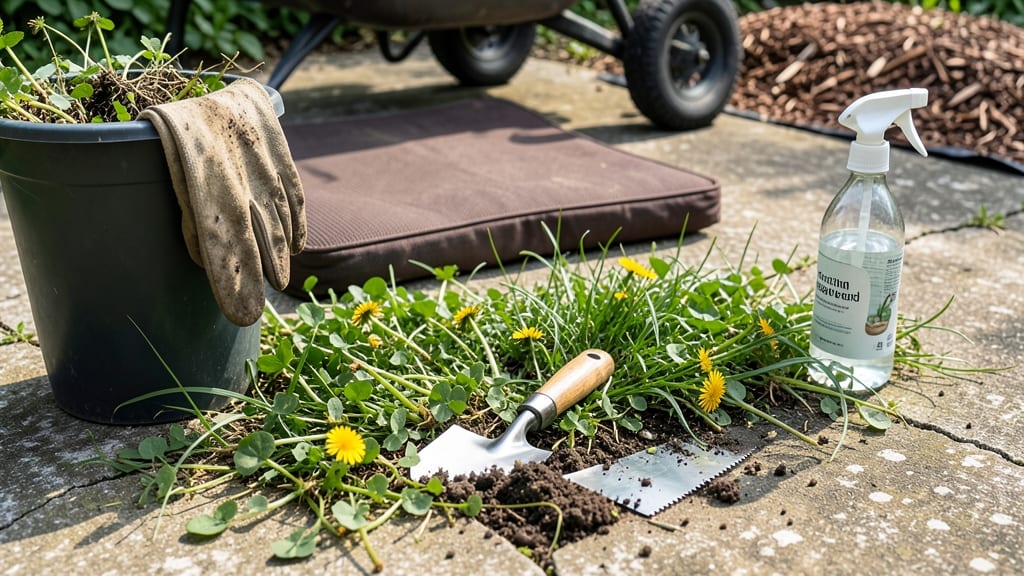
Boiling water kills weeds on patios in seconds—no digging, no chemicals, just instant results. 🌱 I used to spend hours pulling weeds by hand, but this method changed everything. The heat sears the roots, and the weeds die within minutes, leaving your patio clean and ready for use.
You only need a large pot, some water, and a steady hand. Bring water to a full boil, then carefully pour it directly over the weeds. The process is quick—just a few minutes per section—and works best on sunny days when weeds are actively growing.
For stubborn patches, repeat after a week. What you’ll end up with is a weed-free patio that stays clean longer. The boiling water method is safe for concrete and pavers, and it won’t harm nearby plants if used carefully.
Just avoid pouring on soil or mulch, as the heat can damage beneficial organisms. This works for any patio size, from small balconies to large outdoor spaces. Once you try it, you’ll wonder why you didn’t do it sooner!
The key is consistency—check your patio weekly to catch new weeds before they take hold.
📚 In This Guide
- What you need
- Instructions
- Tips and common mistakes
- Wrapping up and next steps
What you need
- ● Boiling water – At least 1–2 gallons (enough to cover weed roots). Use a large pot or kettle with a pour spout for precision.
- ● Heat-resistant gloves – Protect your hands from burns (nitrile or silicone gloves work great!).
- ● Long-handled spoon or ladle – Helps pour boiling water safely and accurately.
- ● Garden trowel or small shovel – For loosening stubborn weeds or digging out roots if needed.
- ● Trash bag or bucket – To collect weeds and debris after removal.
- ○ Optional: Vinegar (white, 20–30% acetic acid) – Mix 1 part vinegar to 1 part water for an extra boost (use cautiously on porous surfaces).
- ○ Optional: Baking soda or salt – Sprinkle lightly around weeds for added drying power (test on a small area first!).
- ● Check the weather – Do this on a sunny, dry day to avoid slip hazards or steam burns.
- ● Clear the area – Remove potted plants, furniture, or decorations from the patio to protect them.
- ● Wear closed-toe shoes and long sleeves/pants to avoid burns or irritation.
- ● Keep a fire extinguisher nearby (just in case—boiling water can splash!).
Step-by-Step instructions for eliminating patio weeds fast
Here's the quick, chemical-free method I swear by after years of battling stubborn patio weeds.
💧 Step 1: Boil Water and Gather Your Tools
Fill a large pot with 2-3 gallons of water and bring it to a full rolling boil. I use my biggest stockpot because you'll need enough to completely saturate the weeds without spilling. Have a small handheld watering can or a long-spouted kettle ready—this makes pouring precise and avoids scalding your hands.
Grab a pair of gardening gloves (the heat will linger even after pouring) and your favorite patio broom or stiff-bristled brush. The broom helps loosen weeds before treatment, while gloves protect your skin from the boiling water's residual heat. Work on a calm day when wind won't blow the water unpredictably.
✂️ Step 2: Clear Away Large Debris and Loosen Weeds
Sweep your patio thoroughly to remove leaves, twigs, and other debris. This prevents the boiling water from spreading to unintended areas and makes it easier to target just the weeds. Focus on areas where weeds are thickest—these are usually the worst offenders and need the most attention.
Use your broom to gently loosen the weeds from the cracks. You don't need to pull them out completely; just make sure the roots are exposed to the surface. The goal is to ensure the boiling water can penetrate all the way down to the root system. If a weed is deeply embedded, a few extra strokes with the broom will help.
🔥 Step 3: Pour Boiling Water Directly on Weeds
Carefully pour the boiling water directly over the weeds, starting at the base and working your way up. You'll see the weeds immediately wilt and turn brown as the heat kills them instantly. Pour enough to saturate the entire weed, including the roots—this ensures they won't regrow. I like to pour in a slow, steady stream to avoid missing any spots.
Watch for steam rising from the cracks—this is your signal that the heat is penetrating deep enough to kill the roots. If you notice any areas where weeds are still standing tall, pour a little more boiling water over them. Be patient; this step requires precision to avoid damaging surrounding patio materials like stone or concrete.
🌱 Step 4: Repeat for Stubborn Weeds and Monitor Results
Some weeds, especially deep-rooted ones, may require a second treatment. Wait until the area has cooled completely (usually 1-2 hours) and then pour boiling water over the same spots again. This ensures even the toughest weeds are eradicated. You'll know you've succeeded when the weeds turn completely brown and crispy within 24 hours.
After treating, keep an eye on the patio for a few days. If any new weeds sprout, simply repeat the boiling water method on those specific spots. This approach is especially effective for weeds like clover, dandelions, and chickweed, which often return if not fully eradicated the first time.
🪴 Step 5: Prevent Future Weed Growth
Once the weeds are gone, prevent new ones from taking root by applying a layer of coarse sand or gravel to the cracks in your patio. This creates a barrier that makes it difficult for weed seeds to germinate and grow. You can also use a commercial weed block fabric if your patio has deep cracks or gaps.
Regularly sweep your patio to remove any new weed seeds before they have a chance to sprout. A quick sweep once a week keeps your patio looking clean and weed-free with minimal effort. If you notice weeds starting to pop up in the same spots, it might be time to treat them again with boiling water before they become a bigger problem.
Tips & tricks for perfect weed eradication
Here's what I learned the hard way after battling weeds for years—these tricks make all the difference.
Heat Application: The key to success is using water that's truly boiling. If you're using a kettle, let it sit for at least 30 seconds after it stops whistling to ensure maximum heat transfer. Cold spots in your water mean some weeds might survive and regrow. I've learned that pouring from a height (about 6-12 inches) helps direct the water deeper into the cracks where roots hide.
Timing Secret: In Step 4, when you're waiting the 1-2 hours before a second treatment, use this time wisely. Check the weather forecast—if rain is expected within 24 hours, skip the second treatment. The rain will dilute the effectiveness of the boiling water treatment, and you'll have to start over. I've ruined a perfectly good afternoon waiting for weeds to dry only to have them washed away by an unexpected shower.
Targeted Approach: For especially stubborn weeds like clover or chickweed, focus on the base of the plant where the roots meet the soil. The roots are what you're really trying to kill, not just the leaves. I like to pour water in a zigzag pattern over the entire weed patch to ensure complete coverage. This method works best when you're patient and methodical—don't rush the process or you'll miss spots.
Prevention Wisdom: After your successful treatment, keep a small bag of coarse sand handy. I've found that sprinkling just a pinch into each crack prevents new weeds from taking hold. The sand creates a barrier that makes it difficult for weed seeds to find purchase. For larger cracks, a commercial weed block fabric is worth the investment—it lasts for years and makes future weed control nearly effortless.
Pro Tips for Get Rid Of Weeds On Patio
- Here's what I learned the hard way after battling weeds for years—these tricks make all the difference.
- Heat Application: The key to success is using water that's truly boiling.
- Timing Secret: In Step 4, when you're waiting the 1-2 hours before a second treatment, use this time wisely.
Frequently asked questions
Got more questions about tackling weeds on your patio? You’re not alone—let’s clear things up!
What’s the best time of day to treat weeds with boiling water?
Early morning or late afternoon works best! Treating weeds when the sun isn’t at its peak prevents the water from evaporating too quickly, giving the boiling liquid time to seep into the roots. Avoid midday heat—your patio (and the weeds) will thank you!
How long does it take for weeds to die after using boiling water?
Most weeds wilt within minutes, but it can take up to a few days for them to fully dry out and die. For stubborn weeds, repeat the process after 24 hours. Patience pays off—no more sneaky regrowth!
Will boiling water harm my patio or plants nearby?
Boiling water is safe for non-porous materials like concrete, stone, or pavers, but avoid splashing onto wood, plastic, or delicate plants. For extra safety, use a paintbrush or turkey baster to target weeds precisely. When in doubt, test a small area first!
What if weeds keep coming back after treatment?
Persistent weeds might mean hidden seeds or roots. Dig up any remaining fragments and reapply boiling water or a natural herbicide like vinegar (3% acetic acid) mixed with dish soap. For heavy infestations, consider a pre-emergent herbicide in early spring.
Can I use this method in cold weather?
Boiling water works year-round, but cold temps slow down weed regrowth naturally. If your patio is icy, wait until it thaws before treating. For extra oomph in winter, add a splash of salt (sparingly!) to the boiling water for a double punch.
Wrapping up and next steps
Say goodbye to those pesky weeds and hello to a pristine, inviting patio! 🌿 With just boiling water and a few simple steps, you’ve got a fast, chemical-free solution at your fingertips.
The key is consistency—tackle weeds early, protect your plants, and enjoy the satisfaction of a weed-free space in no time.
Ready to reclaim your patio? Grab that kettle or pot and get started today! For extra peace of mind, consider adding a layer of mulch or landscape fabric to keep weeds at bay long-term. Your future self (and your guests) will thank you! 😊