
Plants
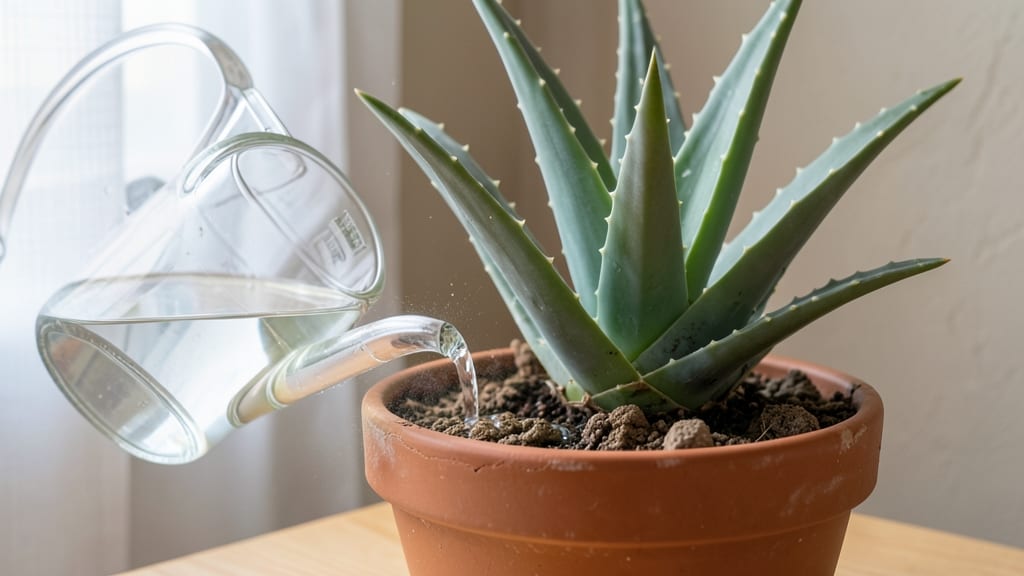
Watering an aloe vera plant needs careful timing—too much or too little can kill it, but the 3-week drought cycle is the secret to keeping it thriving.
Overwatering kills aloe vera faster than underwatering—yet most gardeners still get it wrong. The secret? A strict 3-week drought cycle that mimics its desert roots. Skip this rule, and you’ll end up with mushy leaves or crispy edges.
Here’s the game-changer: soak the soil deeply until water drains out the bottom, then wait until the top 2-3 inches feel completely dry before watering again. This method works year-round, but I’ll show you how to adjust for humidity, pot size, and even your local climate.
You’ll also learn how to spot the difference between thirsty leaves and overwatered ones—plus the one simple test that tells you exactly when to water next. Let’s fix those brown tips for good.


The 3-Week watering schedule for aloe vera (with exact timing)
Aloe vera thrives on a 3-week drought cycle—not because it loves neglect, but because its desert roots evolved to store water efficiently. Unlike thirsty houseplants, aloe vera rots faster than it wilts when overwatered.
The key? Deep, infrequent watering that mimics sporadic desert rains. Let’s break down the exact timing, seasonal tweaks, and how to test soil moisture without guesswork.
Most gardeners fail at aloe vera care because they check soil moisture too often with their fingers. Instead, focus on visual cues like leaf plumpness and pot weight. A mature aloe vera’s roots can survive weeks without water—but only if the soil is crispy dry 2-3 inches down.
Think of it like a cactus: drought = normal, not a crisis.
⚠️ Critical Rule: Never water on a schedule. Always check the soil first. Here’s how to do it right:
| Season | Watering Interval | Soil Test Depth | Water Amount | Best Time |
|---|---|---|---|---|
| Spring (March-May) | Every 3 weeks | 2-3 inches dry | 500-750ml (deep soak) | Morning (9-11 AM) |
| Summer (June-Aug) | Every 4 weeks | 3-4 inches dry | 750-1000ml (deep soak) | Early morning (6-8 AM) |
| Fall (Sept-Nov) | Every 5-6 weeks | 3+ inches dry | 300-500ml (light soak) | Mid-morning (10 AM) |
| Winter (Dec-Feb) | Every 6-8 weeks | 4+ inches dry | 100-200ml (barely damp) | Late morning (11 AM) |
For indoor aloe vera, reduce intervals by 1 week if humidity drops below 40%. Place a hygrometer near your plant—ideal humidity is 40-50%. If your home feels like a desert (low humidity), water every 3 weeks year-round.
If it’s humid (like a jungle), stretch to 4-5 weeks between waterings.
Here’s the finger test I swear by: Stick your finger 2 inches into the soil. If it feels dry and crumbly, water deeply. If it’s slightly damp, wait another week.
Pro tip: Use a wooden skewer—it’s more accurate than fingers for detecting hidden moisture. Mushy soil = death sentence for aloe vera.
Watch for these 3 red flags that mean you’re overwatering: yellowing leaf tips, soft mushy base, or brown edges that feel squishy. These are classic signs of root rot, which spreads faster than you think.
If you spot these, stop watering immediately and repot in fresh cactus mix with perlite for drainage.
Conversely, wrinkled leaves or a shriveled appearance means your aloe vera is crying for water. But don’t panic—just give it a deep drink and let it recover. Aloe vera is resilient, but it won’t forgive consistent soggy soil.
Think of watering as a marathon, not a sprint: slow, steady, and never rushed.
Adjust your schedule based on pot size: Small pots (under 6 inches) dry out faster—water every 2 weeks in spring/summer. Large pots (12+ inches) can go 5-6 weeks without water.
And if your aloe vera is outdoors in full sun, it needs 20% less water than indoor plants. Shade? Increase water by 10-15%.
My biggest mistake? Using a spray bottle for aloe vera. Mistakingly, I thought it needed humidity like ferns. Never do this—aloe vera’s leaves are succulent, not tropical. Water only at the base, never on the leaves. And always use room-temperature water—cold water shocks the roots.
Final pro tip: Group your aloe vera with other succulents. They share the same watering needs, so you’ll remember to space out waterings. And if you’re unsure, underwater slightly—aloe vera will bounce back faster from thirst than from too much love.
Your plant’s edges will thank you.
Signs your aloe vera is thirsty vs. dying (visual guide)
Aloe vera plants send clear distress signals when their water needs aren't met—but many gardeners confuse thirst with death. The key difference? Wrinkled leaves mean it's thirsty, while mushy bases and yellowing scream overwatering. Let's decode these signs with a side-by-side comparison to save your plant.
Underwatering causes wrinkled, puckered leaves that feel lightweight and dry to the touch. Your aloe vera might also shrink slightly at the base as it conserves moisture. This is your plant's natural survival mode—but don't wait until leaves look like crispy lettuce before watering!
Overwatering, however, creates soft, mushy leaves that collapse easily when pressed. The base of the plant may turn yellow or brown, and you might notice a foul odor from rotting roots. This is a silent killer that progresses faster than you'd expect.
Thirsty Aloe Vera
- ✅ Wrinkled leaves
- ✅ Dry, papery texture
- ✅ Lightweight stems
- ✅ Slight shrinkage
FIX: Water deeply until drainage
Dying Aloe Vera
- ❌ Mushy base
- ❌ Yellowing leaves
- ❌ Soft, squishy texture
- ❌ Foul odor
FIX: Stop watering, repot in dry soil
For thirsty aloe vera, I recommend the soak-and-dry method: Water until it drains completely from the bottom, then wait until the top 2 inches of soil feel dry before watering again. This mimics its desert survival instincts and prevents root rot.
If you spot overwatering signs, act fast! Remove the plant from its pot, trim any mushy roots with sterilized scissors, and repot it in fresh, dry cactus mix. Avoid watering for at least 2 weeks to let damaged roots recover.
Pro tip: Check your pot's drainage—aloe vera hates soggy soil. If your container lacks holes, transfer it to one with drainage immediately. A terracotta pot helps too, as it wicks away excess moisture faster than plastic.