
Watering
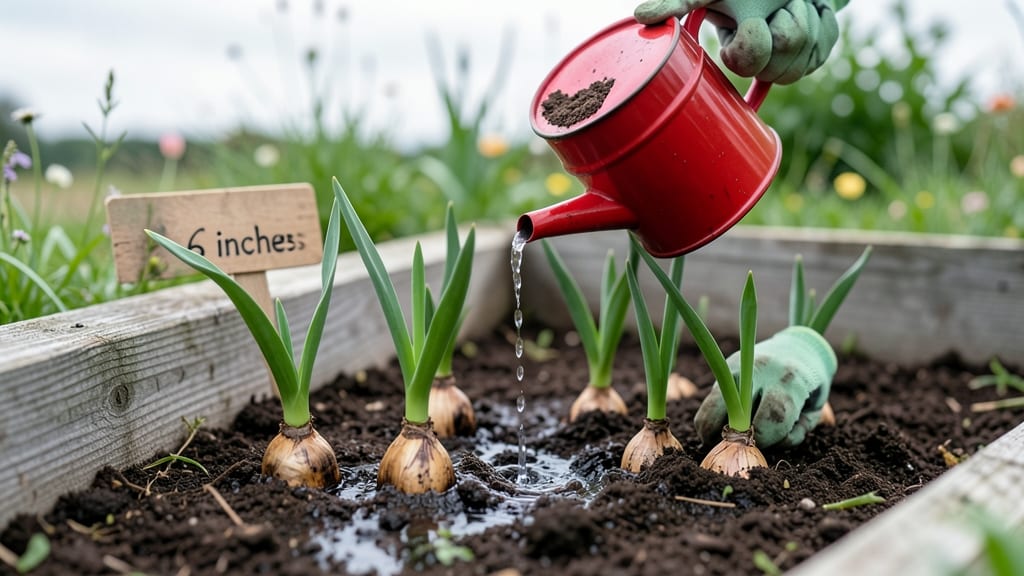
Watering tulip bulbs after planting is the secret weapon for stronger blooms 🌷—but most gardeners get the timing wrong, and it costs them their spring show.
Think you can just plant and forget? That’s how you end up with shriveled stems or bulbs that never push through the soil. The first week after planting is when roots establish, and a little moisture makes all the difference.
Here’s the exact schedule: a deep watering right after planting, then every 7-10 days until shoots appear. Too much water drowns them; too little stresses them out. I’ll walk you through the signs to watch for and how climate affects the routine.
By the end, you’ll know not just how much to water, but when—and why skipping this step means fewer (or no) tulips next spring.


The immediate watering schedule for tulip bulbs after planting: what to do in the first 7 days
After planting your tulip bulbs, the first 7 days are critical for establishing strong roots before winter dormancy or spring growth. Unlike many plants, tulips don’t need constant moisture—they thrive with consistent but controlled hydration.
Too much water can rot the bulbs, while too little stresses them. My goal here is to give you a foolproof schedule that adapts to your climate and soil type.
Start by checking your soil moisture with your finger—insert it 2 inches deep near the bulb. If it feels dry, it’s time to water. If damp, wait. The key is even moisture without soggy soil.
For most gardeners, this means watering every 2-3 days during the first week, but adjust based on rain or heat.
Here’s my step-by-step watering guide for those critical first 7 days, including how to avoid common pitfalls like overwatering or uneven moisture distribution.
Step-by-Step Watering for Tulip Bulbs (First 7 Days)
- Day 1-2: Water deeply (1 inch of water) immediately after planting to settle the soil. Use a gentle spray or drip irrigation to avoid displacing bulbs.
- Day 3-4: Check soil moisture. If the top 1-2 inches feel dry, water again. Aim for moist but not soggy soil—think of a wrung-out sponge.
- Day 5-6: Reduce frequency if rain occurs. In hot climates, water every 24 hours; in cool/mild climates, every 48 hours. Use a soaker hose for even distribution.
- Day 7: Taper off to every 3-4 days unless your region is experiencing a heatwave. Test soil again—it should stay consistently moist but never waterlogged.
Your water pressure matters just as much as frequency. Use a soft spray or drip system to prevent bulbs from shifting. A forceful stream can dislodge them, while a light mist ensures even moisture without disturbing the soil.
If you’re using a hose, keep it 6 inches away from the planting area.
Watch for signs of overwatering, like yellowing leaves or mushy soil. Underwatering shows as wilted or crispy foliage. Adjust your schedule based on these cues—tulips are resilient but hate extremes.
In sandy soil, water more frequently; in clay soil, less often. Mulch with 2-3 inches of straw to retain moisture and regulate temperature.
Climate plays a huge role. In arid regions, water daily for the first 3 days, then every other day. In humid areas, reduce to every 3-4 days.
If rain is forecast, skip watering entirely. A clear plastic rain gauge helps track natural hydration—aim for 1 inch of water per week, including rainfall.
By the end of the week, your bulbs should have firm, white roots about 1 inch long. If you’ve followed this schedule, you’ve set them up for strong spring blooms.
The first 7 days are about consistency, not perfection—adjust as needed, and your tulips will thank you with vibrant color next season.
Remember, less is more with tulips. They store energy in their bulbs, so overwatering dilutes their reserves. Stick to this schedule, and you’ll avoid the most common mistake: drowning your bulbs before they’ve even had a chance to root.
Long-term watering needs for tulip bulbs: Monthly timeline from planting to bloom
Once your tulip bulbs are planted, the real test begins—maintaining the right moisture balance through dormancy, growth, and bloom. Unlike many plants, tulips have distinct watering phases tied to their natural lifecycle.
Skipping hydration during critical stages can stunt roots or cause bulbs to rot, while overwatering in dormancy wastes resources. Think of it like nurturing a dormant seed through awakening to full bloom.
Your watering approach shifts dramatically from fall planting to spring blooming. In early months, focus on soil moisture retention without creating soggy conditions. As shoots emerge, increase frequency to support root development and leaf growth.
By bloom time, you’ll dial back slightly—but never let soil dry completely. Here’s how to navigate each month with precision.
| Month | Growth Stage | Watering Goal | Frequency | Soil Check |
|---|---|---|---|---|
| September-October | Dormancy | Establish roots | Bi-weekly (if dry) | Top 2" dry |
| November-December | Dormancy | Prevent desiccation | Monthly (unless frozen) | Top 1" moist |
| January-February | Dormancy | Minimal moisture | None (snow cover helps) | Frozen or dry |
| March | Shoot Emergence | Encourage sprouts | Weekly (1" deep) | Top 1" moist |
| April | Active Growth | Support foliage | Weekly (1.5" deep) | Top 2" moist |
| May | Bloom & Fade | Maintain blooms | Bi-weekly (1" deep) | Top 1" moist |
In September-October, when you plant tulip bulbs, focus on root establishment without overwatering. Water every 10-14 days only if the top 2 inches of soil feel dry. This mimics natural autumn moisture while preventing bulb rot.
Use a soil moisture meter or stick your finger in—if it’s damp, skip watering. Mulch with 2-3 inches of straw to retain moisture and protect bulbs from temperature swings.
By March, watch for green shoots breaking through soil—this is your cue to increase watering frequency. Water weekly to 1-inch depth, ensuring soil stays consistently moist but not soggy. Yellowing leaves?
You’re either overwatering or underwatering. Aim for bright green foliage as a healthy sign. During this phase, morning watering prevents fungal diseases like gray mold, which thrives in damp evening conditions.
As tulips approach bloom time in April-May, reduce frequency to bi-weekly watering while keeping soil lightly moist. Overwatering now can cause blooms to flop or rot, while underwatering stresses plants. Cut back completely after flowers fade—let foliage yellow naturally to feed the bulb for next year.
This 6-week post-bloom period is critical for bulb storage. Mulch again to prevent moisture loss during summer dormancy.
Pro tip: Adjust for your climate zone. In dry regions, water more frequently; in wet climates, reduce to avoid rot. Always water at the base of plants, not overhead, to keep blooms dry and vibrant longer.
With this timeline, your tulips will reward you with bold, long-lasting blooms year after year.
🌷