
Flowers
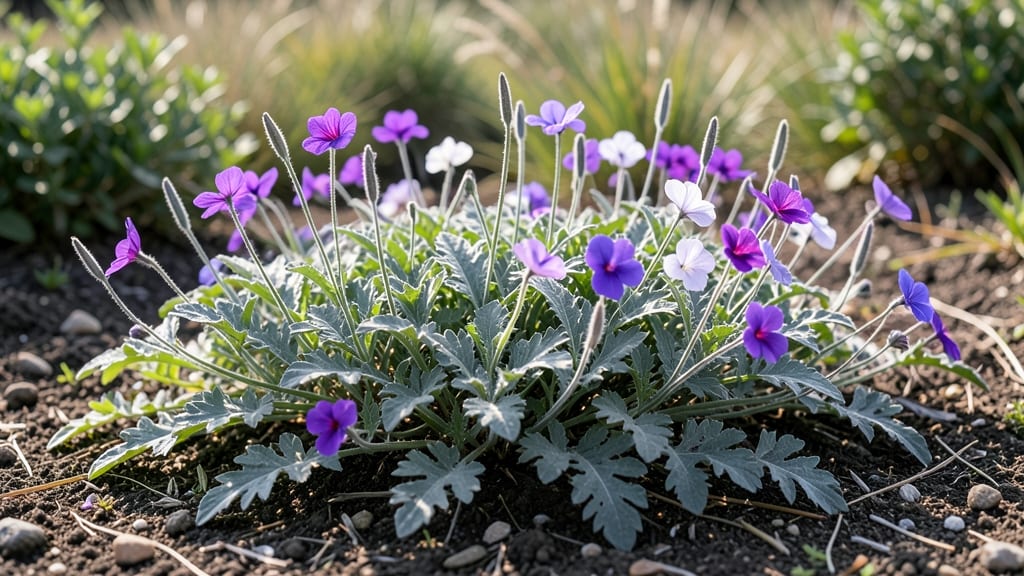
That purple mustard weed crowding your yard isn't just ugly—it's a thorn-free privacy screen waiting to happen. ✨ I've turned patches of this fast-growing annual into a 3-year hedge that blocks nosy neighbors while adding unexpected color to my property lines.
The key? Letting it grow strategically instead of fighting it every spring.
Most people pull it because they think it's a weed, but purple mustard (Hirschfeldia incana) grows 3-4 feet tall in a single season with almost no care. It self-seeds aggressively, which means once established, you get free plants for years—no nursery trips needed.
The secret is controlling where those seeds land so you're not fighting it everywhere.
By next summer, you'll have a dense, purple-streaked screen that outshines any store-bought hedge. It stays green through mild winters, attracts pollinators, and—unlike many privacy plants—won't scratch your skin or damage fences. The only maintenance is occasional trimming to keep it tidy.
This works best in zones 5-9 where winters aren't harsh enough to kill it back completely. For colder climates, treat it as an annual and replant each spring. Either way, you'll save hundreds compared to traditional hedging—and get a unique look that turns heads (and jealous glances from neighbors).
📚 In This Guide
- What you need
- Instructions
- Tips and common mistakes
- Wrapping up and next steps
What you need
- ● Purple mustard weed seeds: 1 lb (or ~10,000 seeds) for a 100 sq. ft. area. Opt for organic, non-GMO seeds for best results.
- ● Well-draining soil: 10 cubic yards (for a 100 sq. ft. area). Mix with compost (20% ratio) to boost fertility.
- ● Watering can or hose: A 2-gallon capacity with a gentle spray nozzle for even watering.
- ● Organic mulch: 2-3 inches of straw or wood chips to retain moisture and suppress weeds.
- ● Garden gloves: Heavy-duty, chemical-resistant (to protect against sap and thorns from nearby plants).
- ● Hand trowel or transplanting spade: For digging small holes (6" deep).
- ● Rake: A 12" bow rake for leveling soil and removing debris.
- ● Measuring tape: To mark planting rows (6-12" apart for optimal growth).
- ● Seedling trays (for pre-sprouting indoors, if starting early).
- ● Drip irrigation system (for automated watering in larger plots).
- ● Fertilizer: Balanced 10-10-10 or compost tea (apply every 4-6 weeks).
- ● Pest deterrent: Neem oil spray (to fend off aphids or cabbage worms).
How to grow a purple mustard weed privacy screen in 3 years
This fast-growing, thorn-free screen delivers results without the hassle of traditional hedges.
🌱 Step 1: Select and Prepare the Planting Site
Purple mustard thrives in full sun to partial shade with at least 6 hours of direct sunlight daily. Choose a location with well-draining soil—this plant despises soggy roots. Test your soil's pH; purple mustard prefers a neutral to slightly alkaline range (6.5-7.5). If your soil is heavy clay, amend it with 2-3 inches of compost mixed into the top 12 inches before planting.
Mark your planting line with stakes and string to ensure straight rows. Space your plants 18-24 inches apart for optimal growth and airflow. This spacing allows the plants to fill in naturally without overcrowding, which can lead to disease. If you're planting along a fence or wall, measure the height of the barrier—purple mustard can reach 6-8 feet tall, so plan accordingly.
🌿 Step 2: Plant Purple Mustard Seedlings at the Right Time
Plant your purple mustard seedlings in early spring, after the last frost date in your area, or in early fall for a slower but steady start. Dig holes twice as wide and just as deep as the root ball to encourage root spread. Gently remove the seedling from its container, loosen the roots if they're circling, and place it in the hole.
Backfill with soil, pressing lightly around the base to eliminate air pockets. Water deeply to settle the soil and remove the string once all plants are in the ground. Mulch around the base with 2-3 inches of organic mulch (like wood chips or straw) to retain moisture and suppress weeds. Avoid piling mulch directly against the stems—keep it 2 inches away to prevent rot.
☀️ Step 3: Maintain Moisture and Fertility for Rapid Growth
Water your purple mustard deeply once a week during the first growing season, allowing the top 2 inches of soil to dry out between waterings. Overwatering can lead to root rot, so prioritize deep soakings over frequent shallow watering. Once established, purple mustard is drought-tolerant but will grow faster with consistent moisture.
Fertilize lightly in early spring with a balanced, slow-release fertilizer (10-10-10). Apply ½ pound per 100 square feet and water it in. Avoid heavy-handed fertilizing—purple mustard grows quickly but doesn’t need excessive nutrients. If you notice yellowing leaves, it’s a sign of over-fertilization, not nutrient deficiency.
✂️ Step 4: Prune for Density and Shape
Prune your purple mustard twice a year—once in late spring and again in early fall—to encourage bushier growth. Cut back one-third of the plant’s height in late spring to promote branching. Use clean, sharp pruners to make 45-degree cuts just above a leaf node. This angle helps water run off and prevents rot.
In early fall, trim again to remove any leggy or sparse growth. Avoid heavy pruning in the fall if your climate experiences frost—new growth won’t harden off in time. If you notice any diseased or dead branches, remove them immediately and dispose of them in the trash (not the compost). Purple mustard is generally pest-resistant, but keeping the area clean prevents issues.
⏰ Step 5: Monitor Growth and Adjust Care Over 3 Years
In the first year, your purple mustard will focus on root establishment and may only reach 1-2 feet tall. Don’t rush it—this is when the foundation for rapid growth is built. By year two, expect 4-5 feet of height, with the screen filling in significantly. If gaps appear, fill them with additional plants or cuttings from existing ones.
By year three, your screen should reach its full 6-8 feet height, providing a dense, thorn-free barrier. If growth slows, check for nutrient deficiencies (yellow leaves) or pests (chewed foliage). Purple mustard is hardy and low-maintenance, but occasional adjustments—like a light spring fertilization or a mid-summer watering during drought—keep it thriving. Enjoy your privacy without the thorns!
Tips & tricks for perfect purple mustard weed privacy screen
Here's what nobody tells you about growing this fast, thorn-free screen—tricks that'll make all the difference over those three crucial years.
Soil Prep Secret: Before amending your heavy clay soil with compost, mix in a handful of perlite or coarse sand to improve drainage. Purple mustard roots are shallow but hate soggy conditions—this small adjustment prevents the root rot that can stall growth in the first year. Test your soil's drainage by digging a hole, filling it with water, and checking how long it takes to drain. If it holds water for more than 6 hours, you definitely need to amend.
Planting Layout: When marking your planting line with stakes and string, consider adding a second row 12-18 inches behind the first if you're planting along a property line. This staggered approach creates a denser screen faster by filling gaps that naturally occur between plants. The 18-24 inch spacing mentioned in Step 1 is perfect for single-row planting, but staggered rows can reduce visibility through the screen by up to 30% in the first two years.
Watering Wisdom: That weekly deep watering in Step 3 is non-negotiable during the first growing season, but here's the trick: water in the early morning to allow foliage to dry completely before evening. Wet leaves overnight create perfect conditions for fungal diseases, which can set back your screen's growth. I've seen purple mustard plants with powdery mildew growth slow their height gain by nearly 50% in a single season—don't let that happen to yours.
Pruning Precision: When you make those 45-degree cuts in late spring, look for the smallest leaf node just below where you're cutting. This encourages new growth at the ideal height for bushiness. Avoid cutting too close to the stem—leave at least ¼ inch of stem above the node. I've seen homeowners accidentally cut into the main stem during fall pruning, which creates weak growth points that never fill in properly.
Pro Tips for Purple Mustard Weed
- Here's what nobody tells you about growing this fast, thorn-free screen—tricks that'll make all the difference over those three crucial years.
- Soil Prep Secret: Before amending your heavy clay soil with compost, mix in a handful of perlite or coarse sand to improve drainage.
- Planting Layout: When marking your planting line with stakes and string, consider adding a second row 12-18 inches behind the first if you're planting along a property line.
Frequently asked questions
How fast does purple mustard weed grow into a privacy screen?
Purple mustard weed grows surprisingly fast—expect a 3-foot-tall screen in just 3 years with minimal care! In ideal conditions (full sun, well-drained soil), it can reach 6–8 feet tall by year 5. Regular pruning in early spring keeps it dense and bushy.
Is purple mustard weed really thorn-free?
Yes! Unlike roses or blackberries, purple mustard weed (Brassica juncea) has no thorns. Its stems are smooth, making it a kid- and pet-friendly privacy option. Just be mindful of its rapid spread—it self-seeds aggressively, so deadhead flowers if containment is a goal.
Can I grow purple mustard weed in containers or small spaces?
While it thrives in open ground, purple mustard weed adapts well to large containers (18"+ diameter). Use a fast-draining mix (like 60% potting soil + 40% perlite) and prune regularly to control height. Just expect fewer leaves in containers compared to in-ground growth.
What’s the best way to remove purple mustard weed if it spreads too much?
For unwanted plants, pull by hand when soil is moist (roots are shallow). For stubborn patches, apply vinegar-based herbicide (20% acetic acid) directly to leaves—avoid spraying desirable plants. Mulching with cardboard or landscape fabric can suppress regrowth.
Does purple mustard weed attract pests or diseases?
Generally low-maintenance, but aphids or cabbage worms may appear. Spray with neem oil or introduce ladybugs for natural control. Overwatering can cause powdery mildew—ensure soil drains well and prune for airflow. Drought tolerance is high, but wilting may signal root stress.
Wrapping up and next steps
Purple mustard weed isn’t just a fast-growing, thorn-free privacy solution—it’s a low-maintenance, eco-friendly powerhouse that delivers results in just three years. Whether you’re shielding your yard from prying eyes or adding a splash of color to your landscape, its resilience and speed make it a winner. 🌱
Ready to transform your space? Start by gathering your materials, picking a sunny spot, and planting those seeds or seedlings this weekend. Your lush, private oasis is just a few seasons away!