
Vegetables
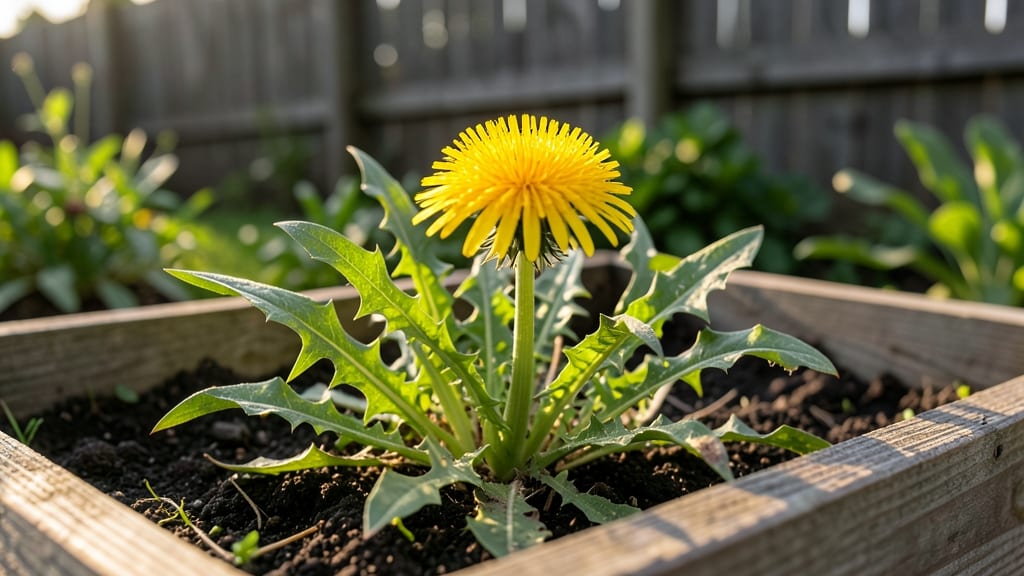
Not all weeds die in winter—perennial weeds like dandelions and creeping charlie persist through cold via deep roots or underground rhizomes, while annual weeds like crabgrass perish completely when frozen. Freezing temperatures only eliminate above-ground growth, leaving dormant structures intact.
Winter's chill doesn't mean total weed eradication—it's all about the type. Perennial weeds have tough underground systems that store energy for regrowth, while annual weeds complete their life cycle in one season and vanish with the frost. 🌱 The key difference lies in their survival strategies: perennials rely on hidden reserves, while annuals depend on seeds that may or may not survive winter's harsh conditions.
Understanding this helps explain why your yard might look weed-free in January but become overrun again by spring.
For gardeners, this means winter isn't the time to relax—it's when dormant weeds are most vulnerable. Cold-hardy perennials can be weakened through repeated freeze-thaw cycles, while annuals lose their above-ground presence entirely.
Smart gardeners use this window to apply pre-emergent herbicides or mulch heavily to prevent regrowth, giving them a head start on spring maintenance.
💡 In This Article
- How Winter Kills Weeds: Perennial vs Annual Survival Strategies
- Best Winter Weed Control Methods for Gardens
How winter kills weeds: perennial vs annual survival strategies
The battle between weeds and winter hinges on biology—not just temperature. Perennial weeds like dandelions and creeping charlie have evolved to survive freezing by storing carbohydrates in their deep root systems or underground rhizomes.
These structures can endure 20-30°F temperatures without damage, while their above-ground growth dies back when soil temps drop below 40°F. The roots act like a biological battery, converting stored starches back into energy when spring arrives. 🔥
Annual weeds, however, follow a different survival playbook. Species like crabgrass and pigweed complete their entire life cycle in one season, producing thousands of seeds before winter. When frost hits, their entire plant—roots and all—dies.
The seeds themselves may survive if buried 1-2 inches deep in protected microclimates (like under mulch or leaf litter), but exposure to consistent sub-zero temps for weeks can kill even these hardy seed banks. The key difference?
Perennials hide their energy reserves underground, while annuals rely on seeds that must germinate in spring.
What most gardeners don't realize is how freeze-thaw cycles actually weaken perennials. Repeated fluctuations between 32°F and 50°F cause cellular damage in weed roots, making them more vulnerable to manual removal in early spring.
This is why late-winter pulling (when soil is workable but weeds aren't actively growing) can be 50% more effective than spring efforts. The same cold that preserves perennials also creates a window of opportunity for gardeners to outsmart their persistence. ✨
Rhizomatous weeds like bamboo or quackgrass take this survival strategy to extremes. Their horizontal root systems can extend 10-15 feet underground, with nodes that act as independent growth points. Even when the top growth is frozen solid, these nodes remain metabolically active, ready to sprout new shoots when conditions improve.
This is why spot treatments often fail—you might kill the visible weed, but the rhizome continues to grow beneath the soil, sometimes emerging 10 feet away from where you pulled it.
Seed viability adds another layer to winter's weed dynamics. Some annual weed seeds (like those from chickweed) contain natural antifreeze proteins that protect them during winter. Others rely on protective seed coats that prevent moisture absorption until spring.
The depth of burial matters too: seeds planted 0.5 inches deep may survive, while those buried 3+ inches often fail to germinate due to lack of light and oxygen.
This explains why tilling in fall can actually help control weeds—it exposes buried seeds to freezing temperatures that would otherwise preserve them.
Consider this: a single dandelion plant can produce up to 200 seeds per flower head, and those seeds can remain viable in the soil for 5-10 years. Meanwhile, creeping charlie's rhizomes can regenerate from fragments as small as 1 inch long.
Understanding these biological adaptations helps explain why some weeds seem indestructible while others vanish completely with the first frost. The winter months aren't just about survival—they're about strategic positioning for the next growing season. 💫